
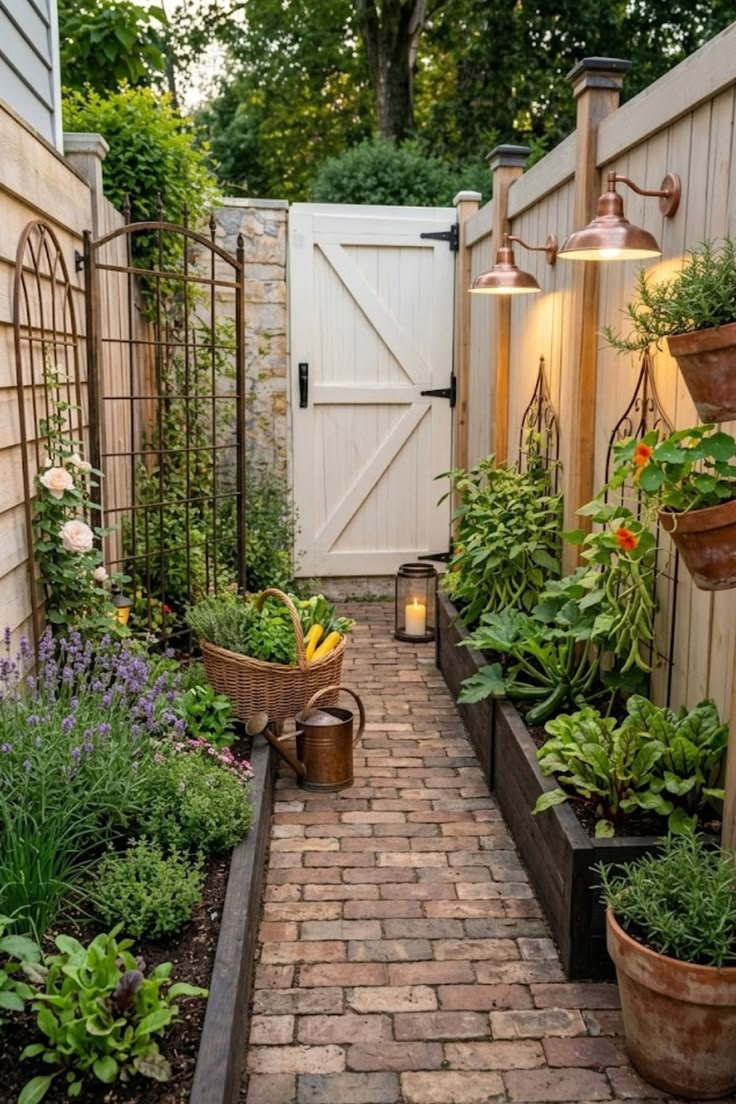
My old rental had a side yard that was exactly 3 feet wide, ran the entire length of the house, and for two years I used it as a place to store the recycling bins because I genuinely didn’t think anything else fit there.
Then I actually measured it, looked up narrow garden design ideas instead of regular landscaping ideas, and realized the problem wasn’t the space — it was that I was trying to plant it like it was a normal yard instead of designing for the shape I actually had.
That’s the thing about narrow garden designs that most general landscaping advice misses: a 3-foot side yard, a 10-foot-wide but 60-foot-long backyard, and a narrow courtyard between two buildings are all “narrow,” but they need completely different solutions.
So I’ve split this list by the actual layout problem you’re solving — side yards, long narrow backyards, pathway-driven designs, vertical and layered approaches, courtyard-style spaces, and a few designs built around actually growing something useful, not just filling space.
If you only read one section, make it whichever matches your actual yard shape, because the design logic really doesn’t transfer between a side passage and a long backyard the way you’d think.
Narrow Side Yard Garden Designs
Side yards are usually the most neglected part of a property because they read as “in-between” space — not quite front yard, not quite backyard. But a narrow side yard design turns wasted square footage into something you’ll actually walk through instead of avoid.
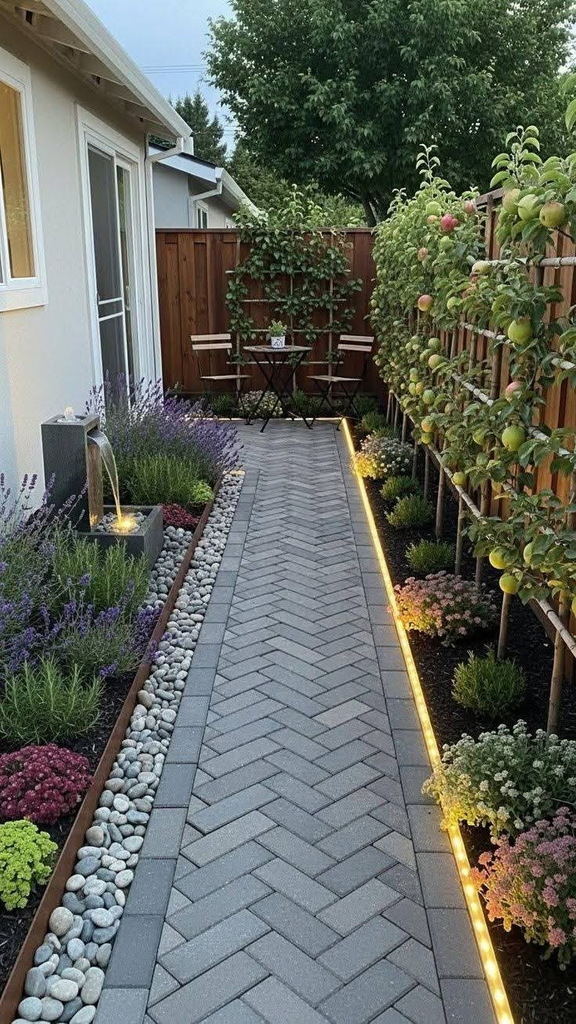
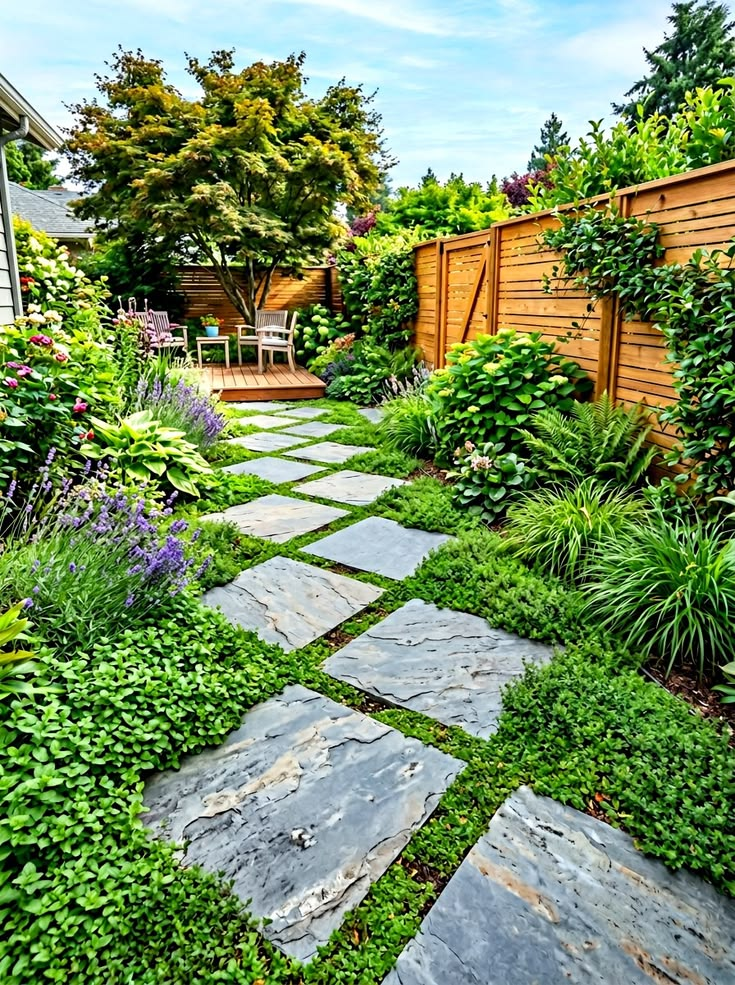
1. A single-file stepping stone path with low ground cover on either side
This solves the most common side-yard problem: needing to actually walk through the space without a full paved path eating your only usable width.
Use irregular flagstone spaced for a natural stride, and fill the gaps with something low like creeping thyme or Irish moss that can handle occasional foot traffic.
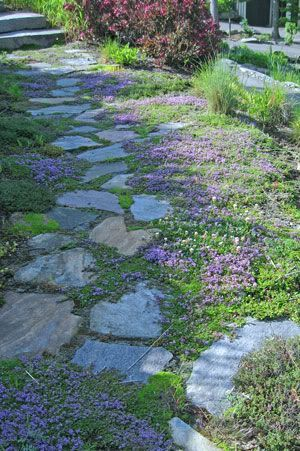
2. Espaliered fruit trees trained flat against a fence
Espalier — training a tree to grow flat in a 2D plane against a wall or fence — is the single best fix I’ve seen for a side yard, because you get actual fruit trees in a space that’s technically too narrow for a normal tree canopy.
It takes a couple years of pruning to establish the shape, so this isn’t an instant-gratification option, but a neighbor of mine has an espaliered apple tree along her side yard fence that’s now producing real fruit after about four seasons.
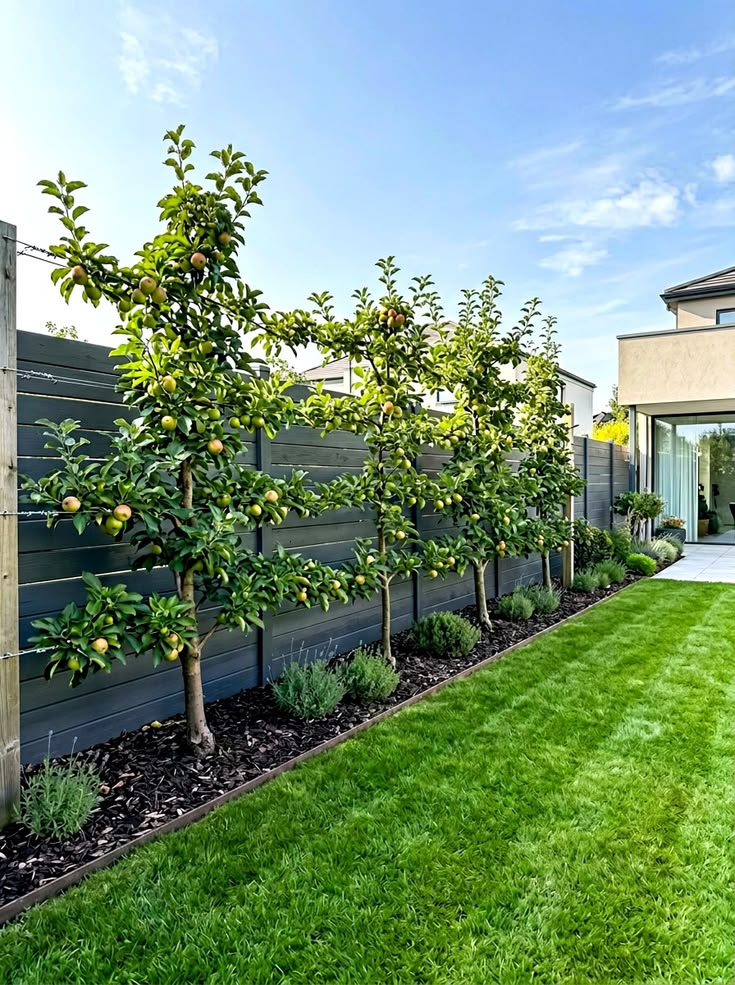
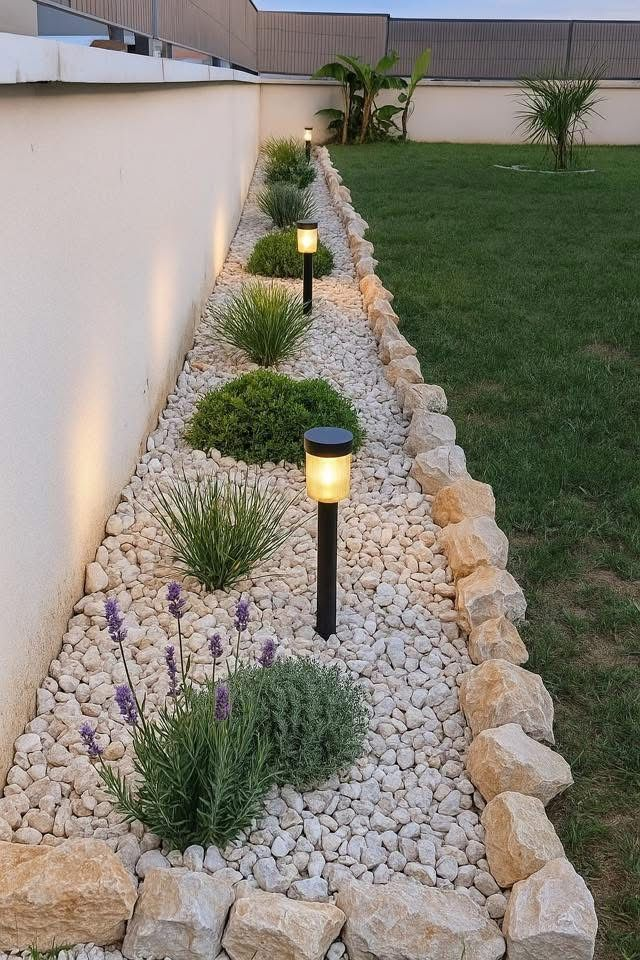
3. A gravel bed with architectural plants spaced sparsely
When a side yard gets heavy foot traffic (trash day, deliveries, side-gate access), skip delicate plantings entirely and go with a gravel bed punctuated by a few structural plants like ornamental grasses or agave, spaced with real breathing room between them.
It reads intentional instead of neglected, and it survives actual use.
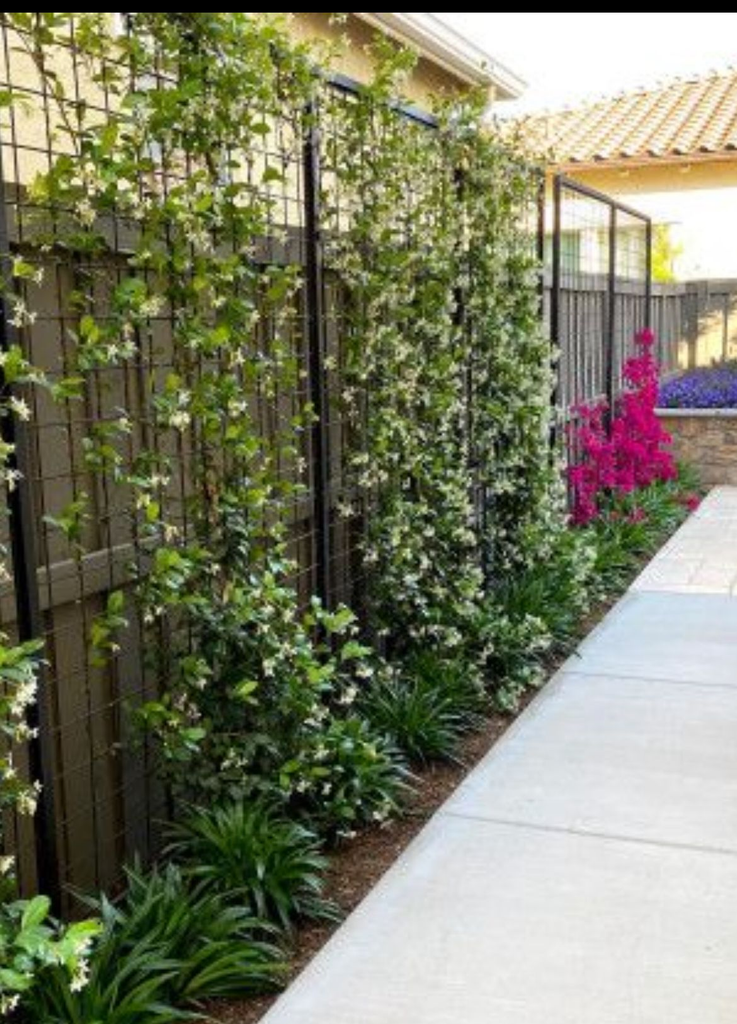
4. Vertical trellis panels to visually widen a tight passage
Mounting trellis panels with climbing vines along one fence line does something narrow gardens desperately need — it draws the eye up and along the length of the space instead of emphasizing how little width you have.
Star jasmine or clematis both work well here if you’re not trying to harvest anything, just soften the walls.
Pro tip: Side yards almost always have worse drainage than people expect because they’re sandwiched between two structures that shed water into the same narrow strip — check where water actually pools after rain before committing to plants that hate wet feet.
Long Narrow Backyard Layouts
A backyard that’s long and skinny — say 12 feet wide by 50 feet deep — has a different problem than a side yard: it’s not about squeezing through, it’s about not making the whole thing read as one long, boring corridor from the back door.
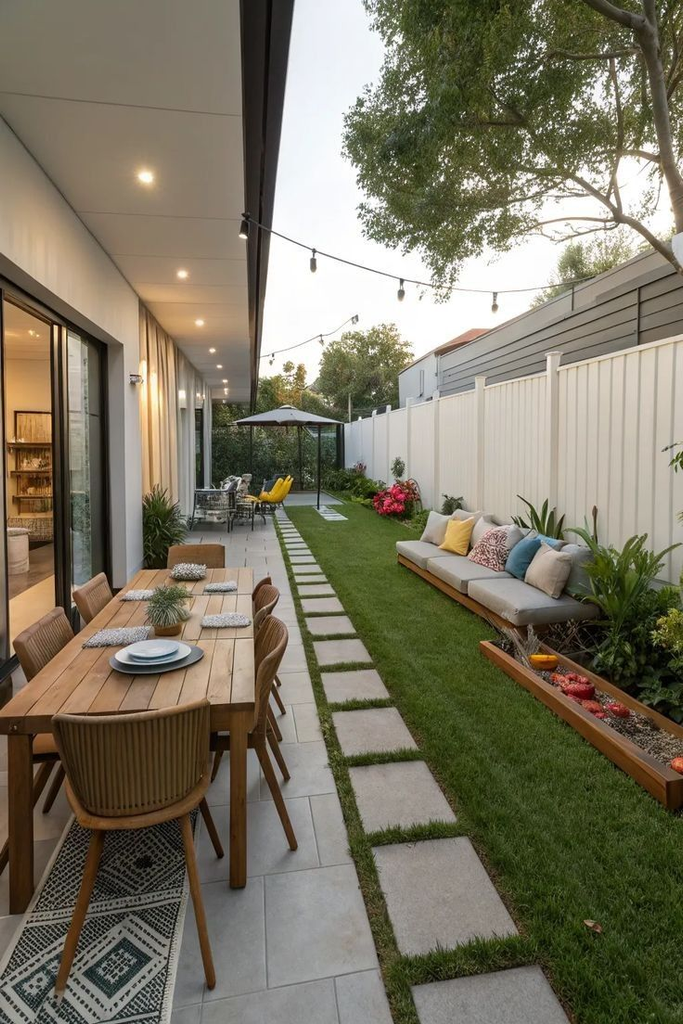
5. Breaking the yard into distinct “rooms” with hedges or low walls
Instead of one continuous strip of lawn or planting, dividing a long backyard into 2-3 visually separate zones — a dining area, then a planted section, then a seating nook at the far end — makes the space feel bigger, not smaller, because you experience it as a sequence instead of one long view.
This is the single biggest layout shift I’d recommend for anyone with a long narrow yard.
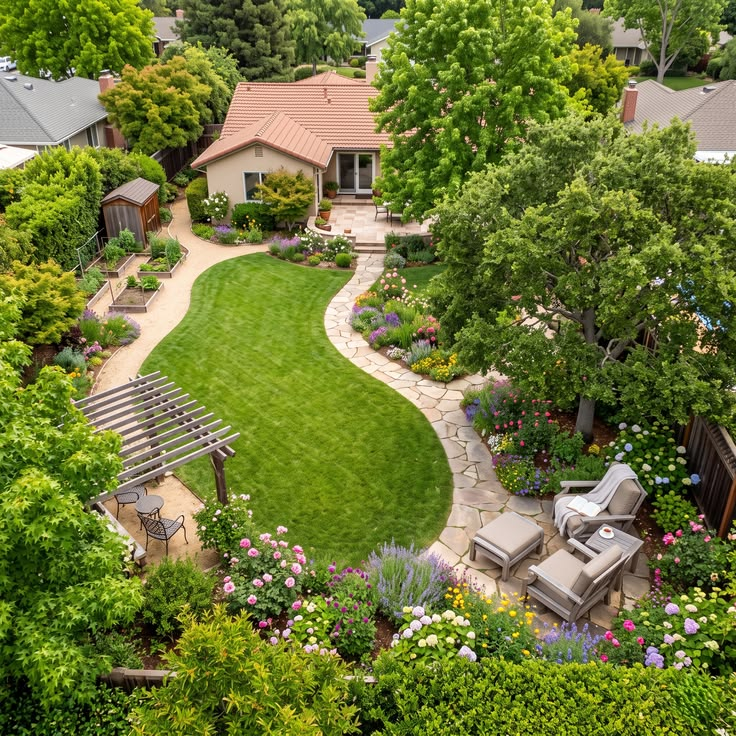
6. A diagonal path instead of a straight one down the middle
A path that runs on a diagonal, even a gentle one, makes a narrow yard feel wider than a dead-straight path down the center does, purely because of how your eye reads the angle.
It’s a small change but it’s the difference between a yard that reads as a hallway and one that reads as designed.
7. Staggered planting beds instead of two mirrored strips along the fence lines
The instinct in a narrow yard is to plant a bed along each fence line symmetrically, which actually emphasizes the narrowness. Staggering beds — one deep bed on the left partway down, then one on the right further along — breaks up the tunnel effect and gives you more usable open space in between.
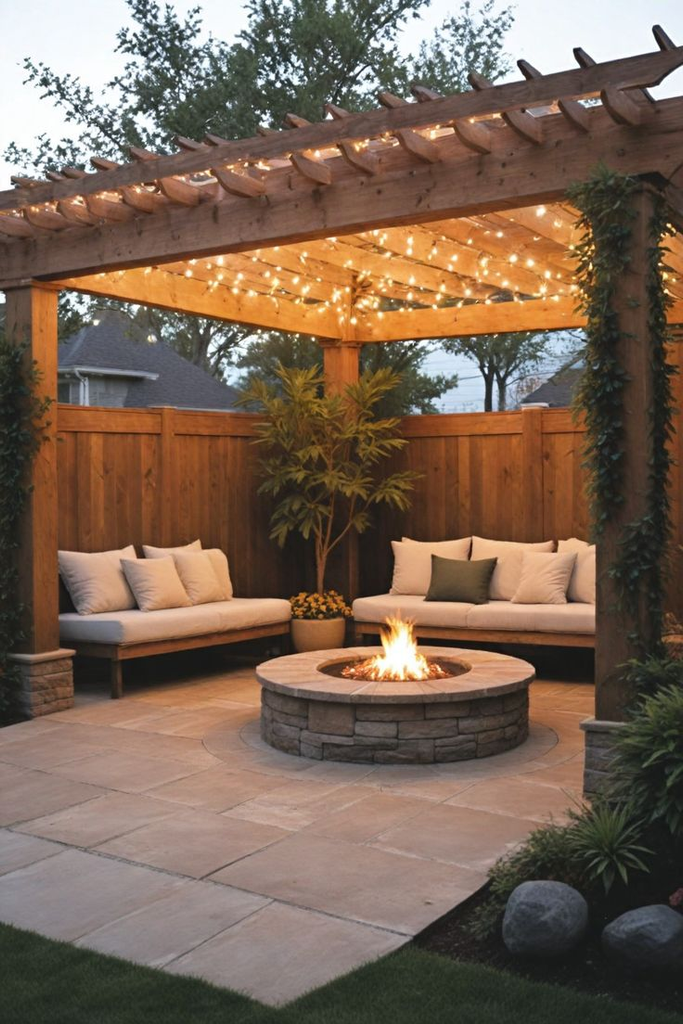
8. A destination feature at the far end to pull the eye down the length
Something worth walking toward at the very back — a small pergola, a fire pit, even just a well-placed bench — gives a long yard a reason to be walked through instead of just viewed from the porch.
Without a destination point, long narrow yards tend to just get looked at from the back door and never actually used.
Pro tip: Resist the urge to line both fences with tall plants the entire length of a long narrow yard — it turns the whole thing into a green hallway. Break the height up so some sections feel more open than others.
Pathway-Centered Narrow Garden Designs
Sometimes the entire narrow space IS the path — a side passage to a back gate, a walkway to a front door that’s tighter than you’d like. These designs treat the path as the main event rather than an afterthought.
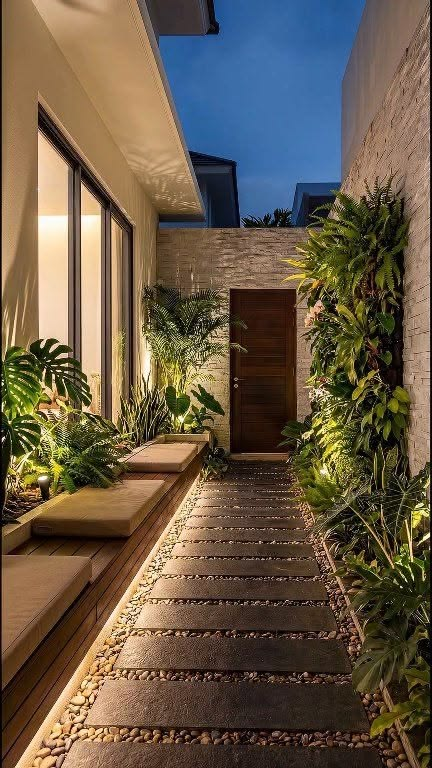
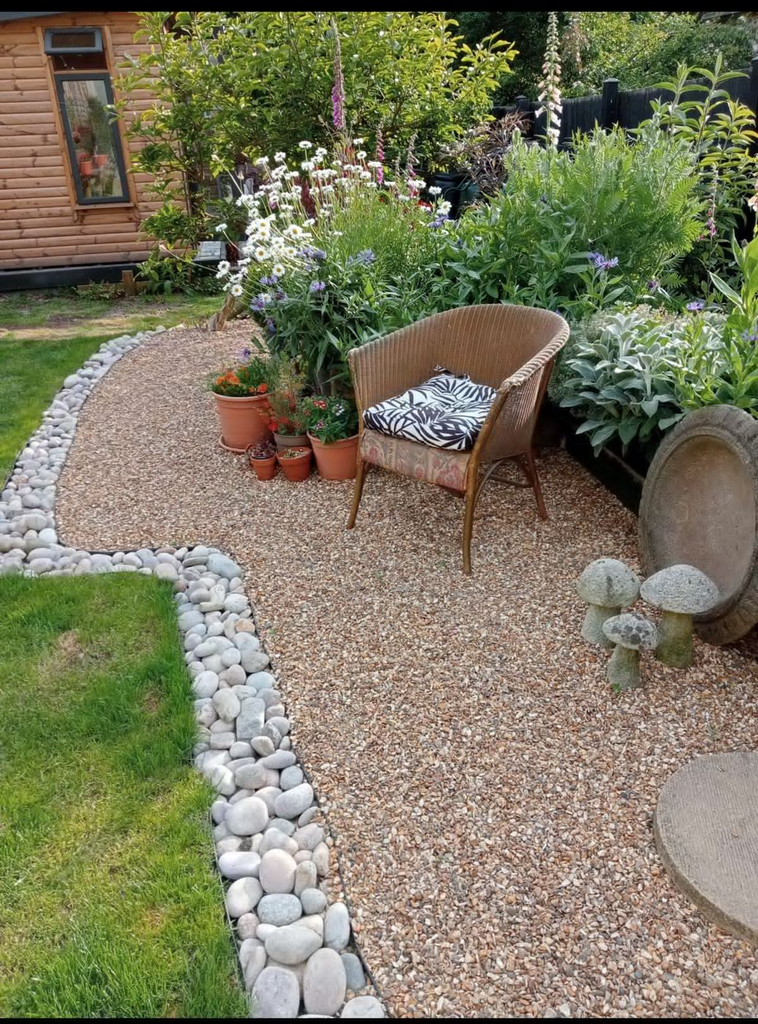
9. Pea gravel path with border plantings that spill slightly over the edge
A soft gravel path bordered by plants allowed to spill just slightly over the edge — not a hard, clipped border — reads much more natural in a narrow passage than a rigid poured concrete path with a sharp planting line. It also handles uneven ground better than pavers do.
10. A brick or paver path laid in a running bond pattern lengthwise
The direction you lay pavers actually changes how wide a path feels. Laying bricks lengthwise, running the long edge parallel to your direction of travel, visually stretches a narrow path; laying them crosswise does the opposite and can make an already-tight path feel choppier.

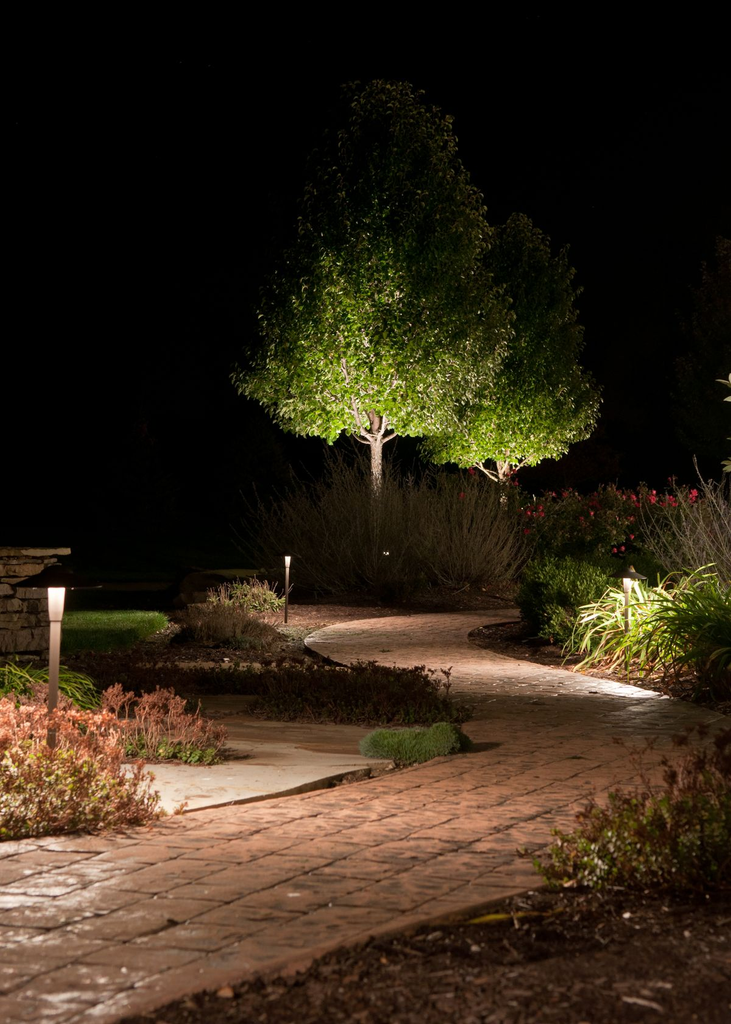
11. Low uplighting along a narrow path for nighttime use
A narrow path with zero lighting is the single most common reason side-yard gardens go unused after dark, which, if it’s your only route to a back gate or trash area, matters more than the planting choices.
Small solar-powered path lights are the cheap fix; hardwired low-voltage landscape lighting is the better one if you’re staying long-term.
12. A single dominant plant repeated down the path instead of mixed planting
Repetition, not variety, is what makes a narrow pathway garden feel calm instead of cluttered — one type of plant repeated at intervals down both sides reads far more intentional in a tight space than a mixed border does, where every square foot competing for attention just emphasizes how little space there actually is.

Pro tip: Path width matters more than plant choice for whether a narrow garden actually feels usable — anything under about 3 feet clear width starts to feel like squeezing through rather than walking, even with beautiful planting on either side.
Vertical and Layered Narrow Garden Designs
When you can’t go wide, you go up. Vertical and layered designs are how you fit real planting volume into a footprint that would otherwise only support a single thin row.
13. Tiered planting beds stepped up a slight grade
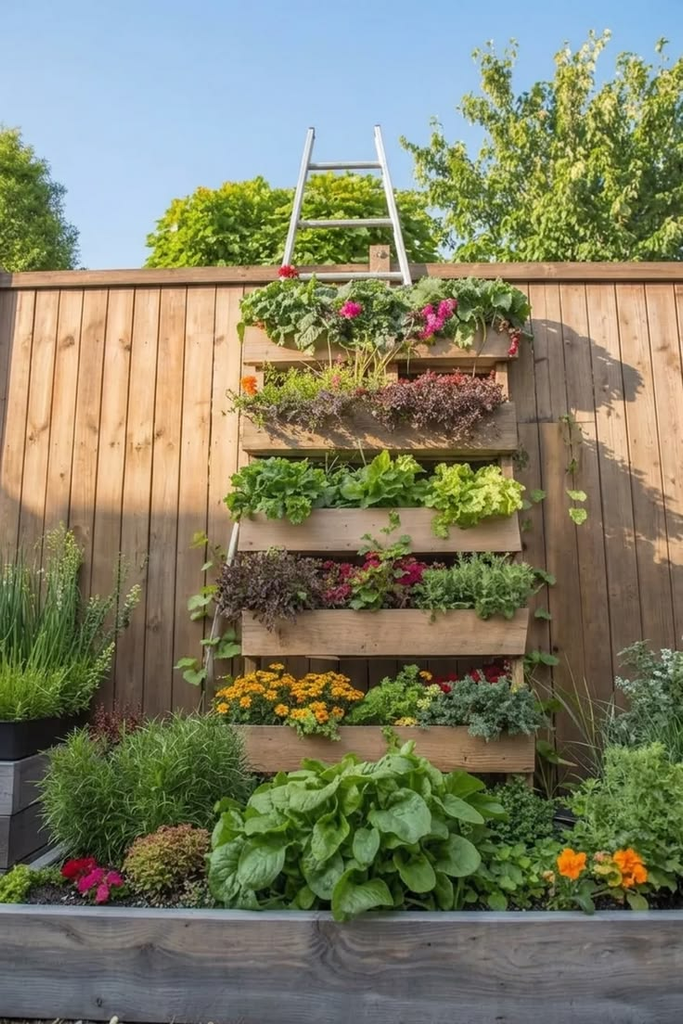
If your narrow space has any natural slope, terracing it into 2-3 stepped levels rather than one flat run gives you more total planting surface than the flat footprint would suggest, and it adds visual interest that a flat narrow strip can’t.
14. A living wall or vertical planting system along one boundary
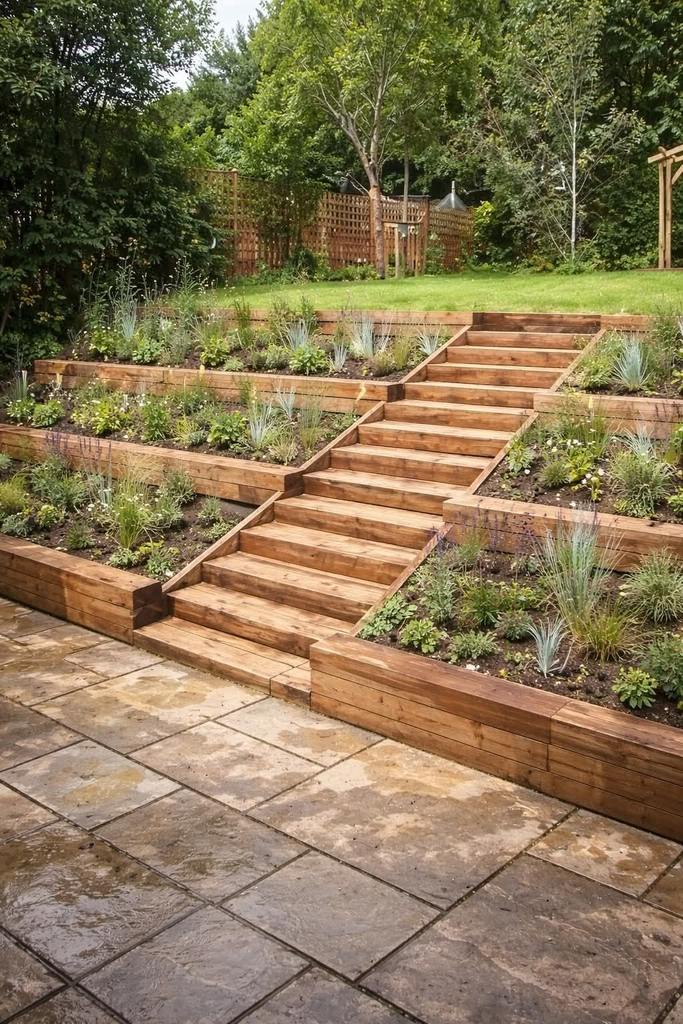
A vertical planting system — modular felt pockets, a wooden slatted frame with planting cups, whatever fits your budget — turns one entire fence line into growing space without eating any of your already-limited floor width.
This is more of a weekend-to-week project depending on the system, and it needs more frequent watering than ground planting since the soil volume per plant is small.
15. Layered height planting from low ground cover to tall background shrubs
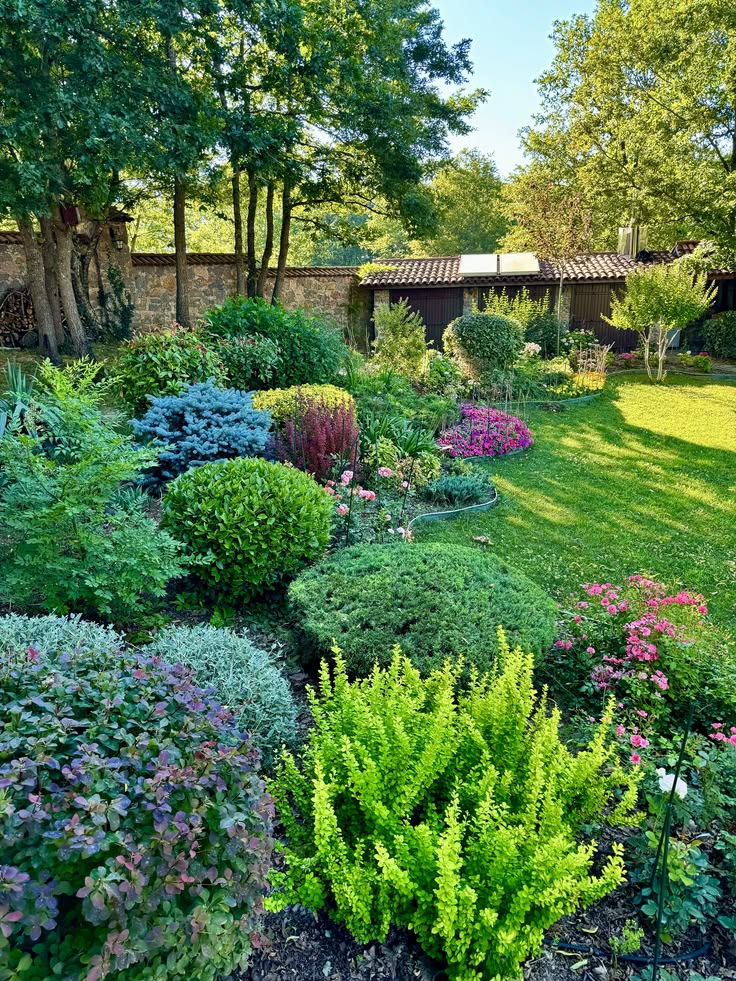
Rather than planting everything at roughly the same height (the most common narrow-garden mistake I see), layering from low ground cover at the path edge up to taller shrubs or small trees at the fence creates depth that makes the space read as designed rather than just “the leftover strip.”
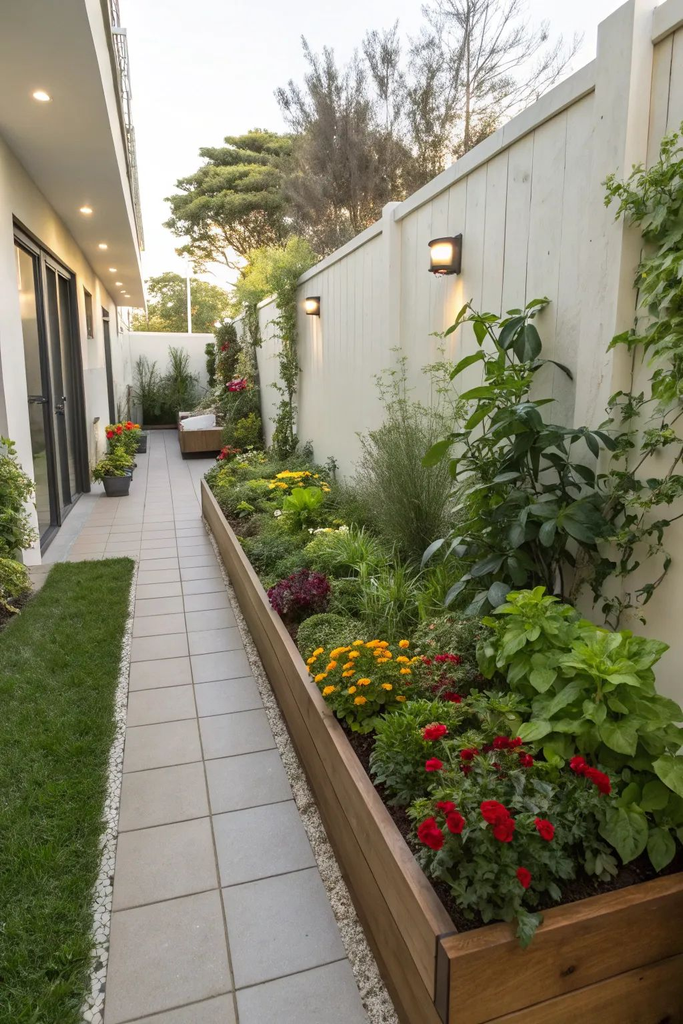
16. A narrow raised planter box running the length of a fence
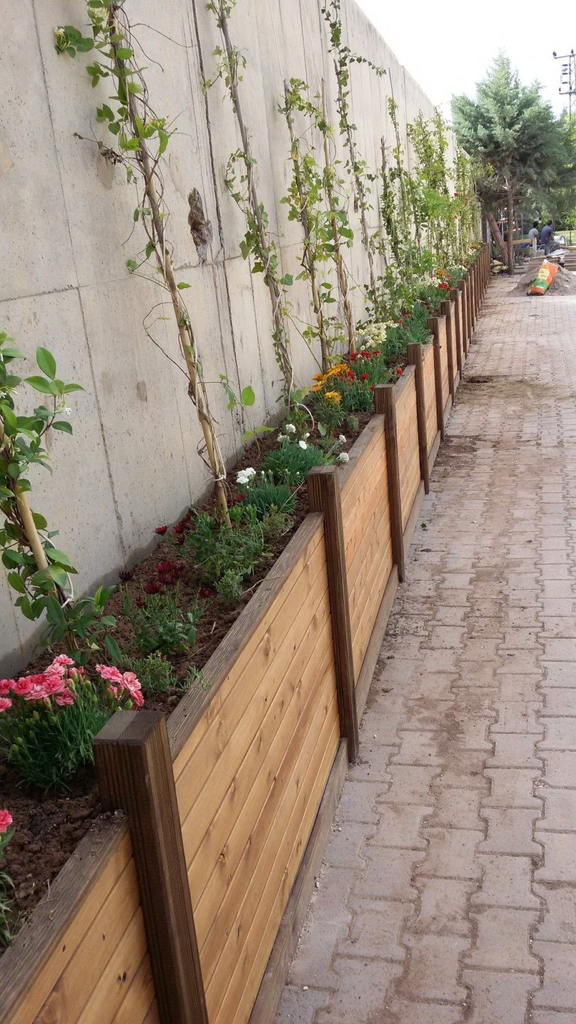
A single long raised bed, even just 18-24 inches wide, gives you real soil depth and drainage control along a narrow run without needing to deal with whatever poor soil already exists in a tight side space — which, in my experience, is usually compacted construction fill, not actual garden soil.
Pro tip: Vertical systems dry out fast, the same way vertical herb planters do — if you go this route, plan for more frequent watering than a comparable ground-level bed, or add drip irrigation from the start rather than retrofitting it later.
Courtyard and Patio-Style Narrow Garden Designs
Narrow spaces between two buildings — a courtyard, a gap between a house and a garage, a townhouse side alley — read differently than a side yard because they’re often more enclosed on multiple sides, which changes the light and privacy equation.
17. A Japanese-inspired dry garden with raked gravel and minimal planting
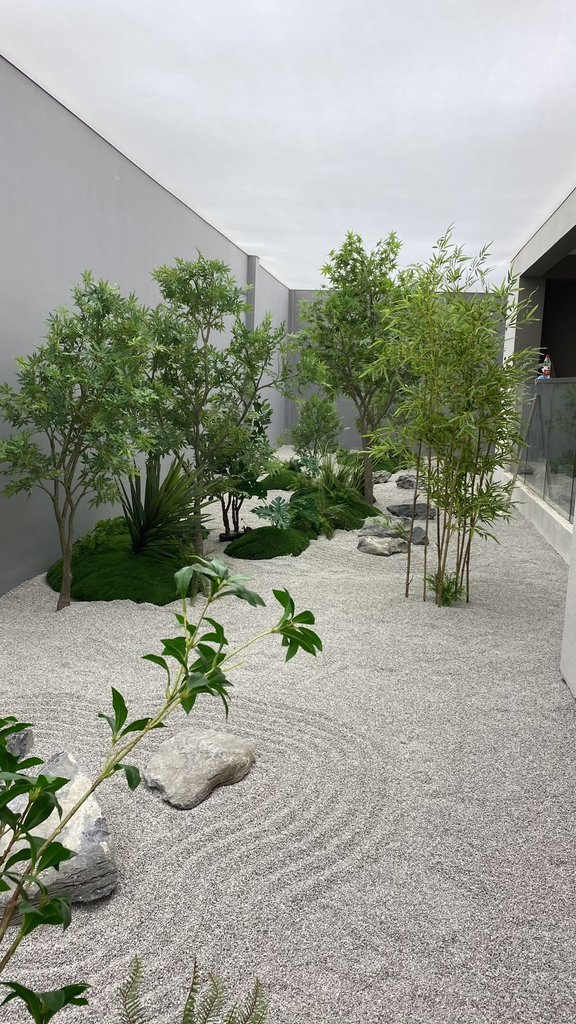
Enclosed narrow courtyards, especially ones that get partial shade most of the day, work well with a minimalist dry garden approach — raked gravel, a few well-placed stones, and sparse planting — because it doesn’t fight the low-light conditions the way a lush planting scheme would.
18. A small bistro seating nook tucked at the widest point
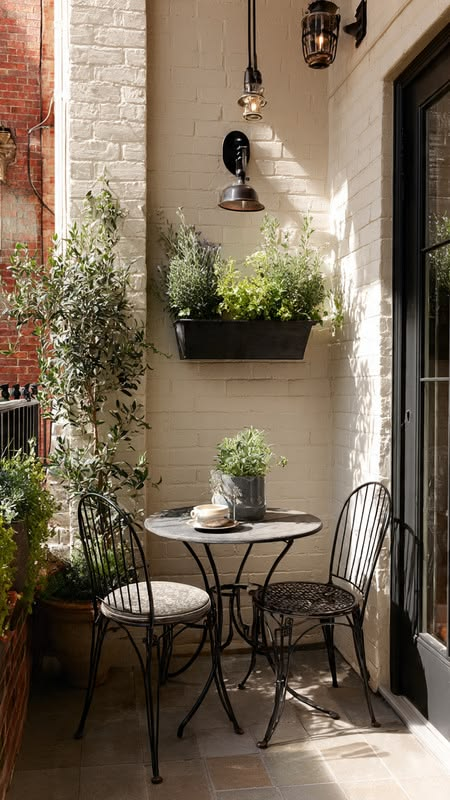
Most narrow courtyards have one slightly wider pinch point somewhere along their length — that’s where a small two-chair bistro setup actually works, rather than trying to force seating into the tightest section and never using it.
19. Potted plants arranged by height instead of built-in beds
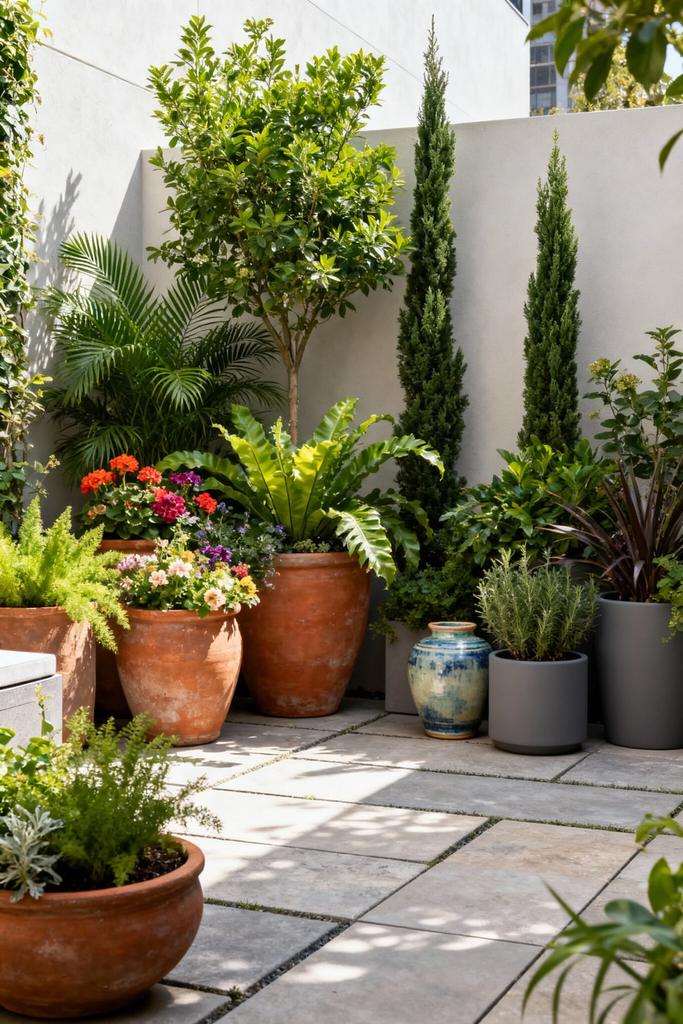
In a courtyard where you don’t want to commit to permanent in-ground beds (common in rentals or shared spaces), a curated collection of pots at varying heights achieves a similar layered look to a built bed without the commitment, and it’s fully portable if you move.
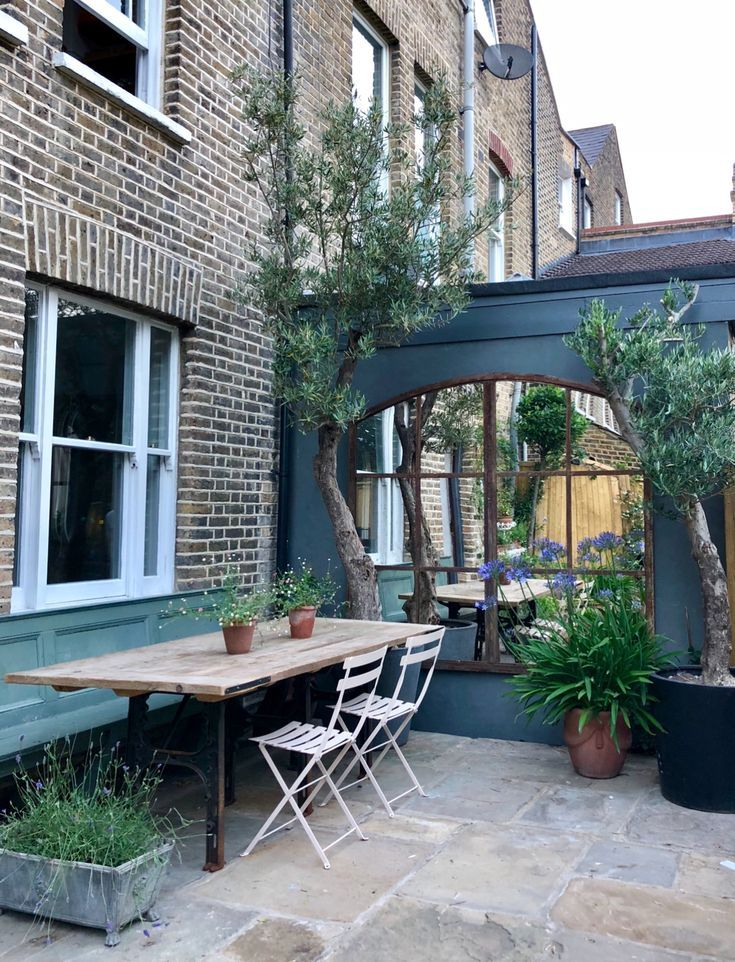
20. Mirror placement to visually double a tight courtyard
An outdoor-rated mirror mounted on one wall of an enclosed courtyard genuinely does make the space read larger — I was skeptical the first time I saw it done well, but it reflects the planting back and breaks up the solid wall in a way that photographs (and lives) better than you’d expect.
Pro tip: Enclosed courtyards often get much less direct light than an open side yard of the same width, even if they’re technically the same square footage — check actual sun hours before choosing plants, not just the general “narrow space” plant list.
Functional Narrow Garden Designs
Not every narrow space needs to be purely ornamental. If you’re going to be maintaining a garden in a tight footprint anyway, a few designs let that space actually produce something.
21. A narrow raised vegetable bed along a sunny side yard
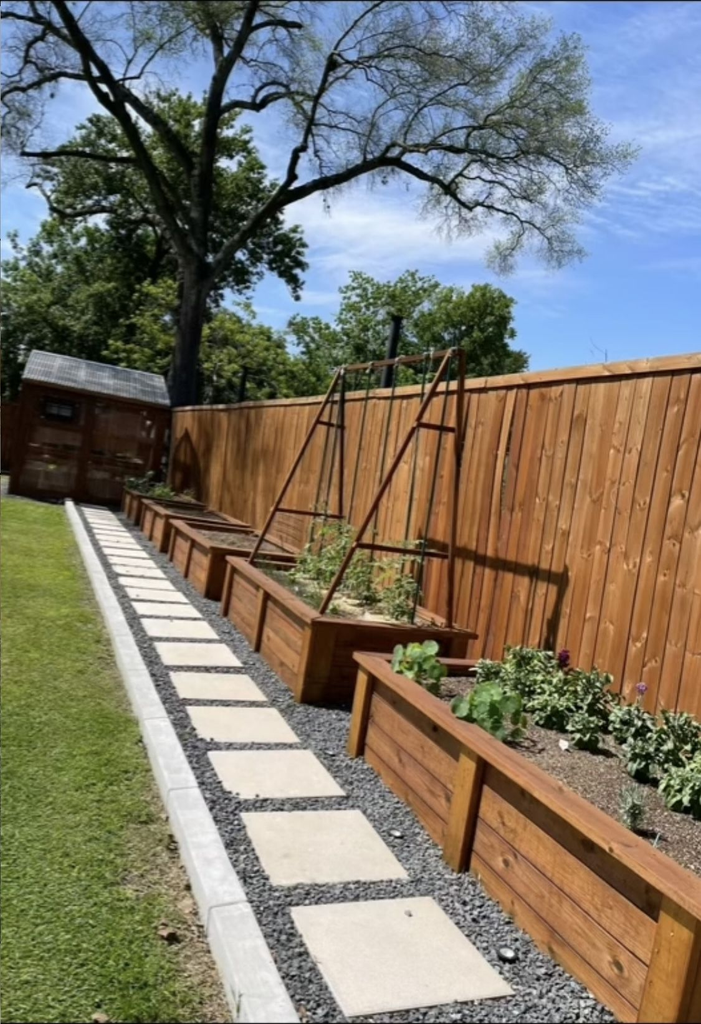
If your narrow side yard happens to get good sun, a single raised vegetable bed can outproduce a wider bed in worse light — sun exposure matters more than bed width for most vegetables, so don’t write off a narrow sunny strip just because it’s tight.
22. A dedicated cut-flower row along a fence line
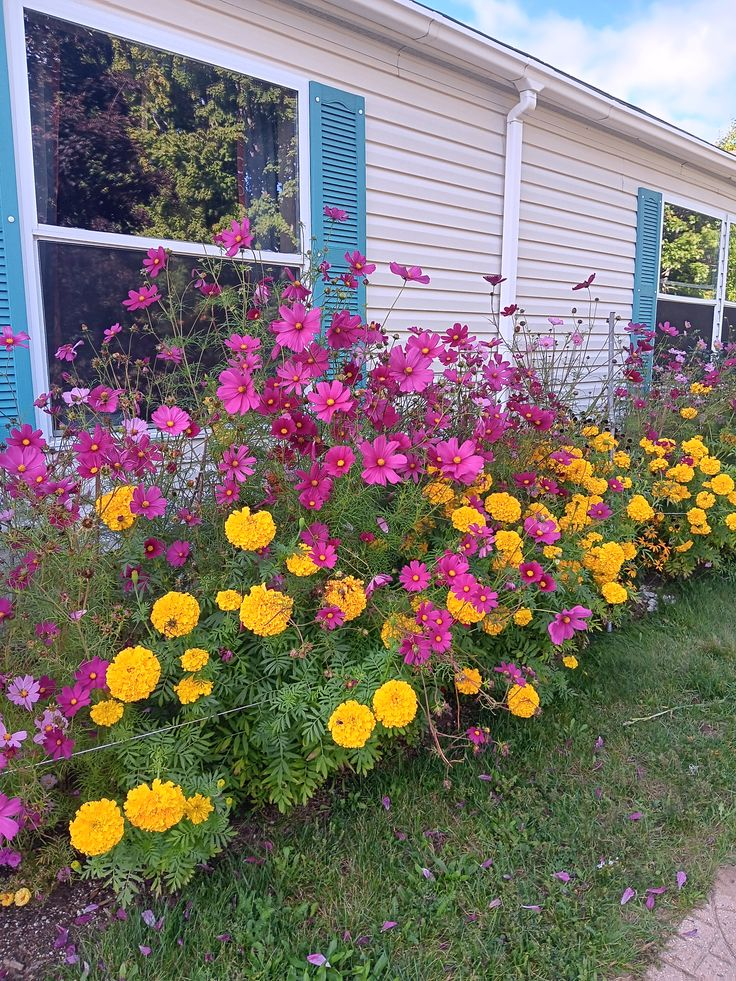
A narrow bed planted entirely with cut-flower varieties — zinnias, cosmos, dahlias — gives you actual armfuls of flowers for the house from a strip most people would otherwise leave empty or just mulch over.
23. A combined herb and pollinator strip along a walkway
Pairing culinary herbs with a few pollinator-friendly flowering plants along a narrow walkway does double duty: you get something to cook with, and the flowers bring in the bees and other pollinators your vegetable garden elsewhere on the property actually depends on.
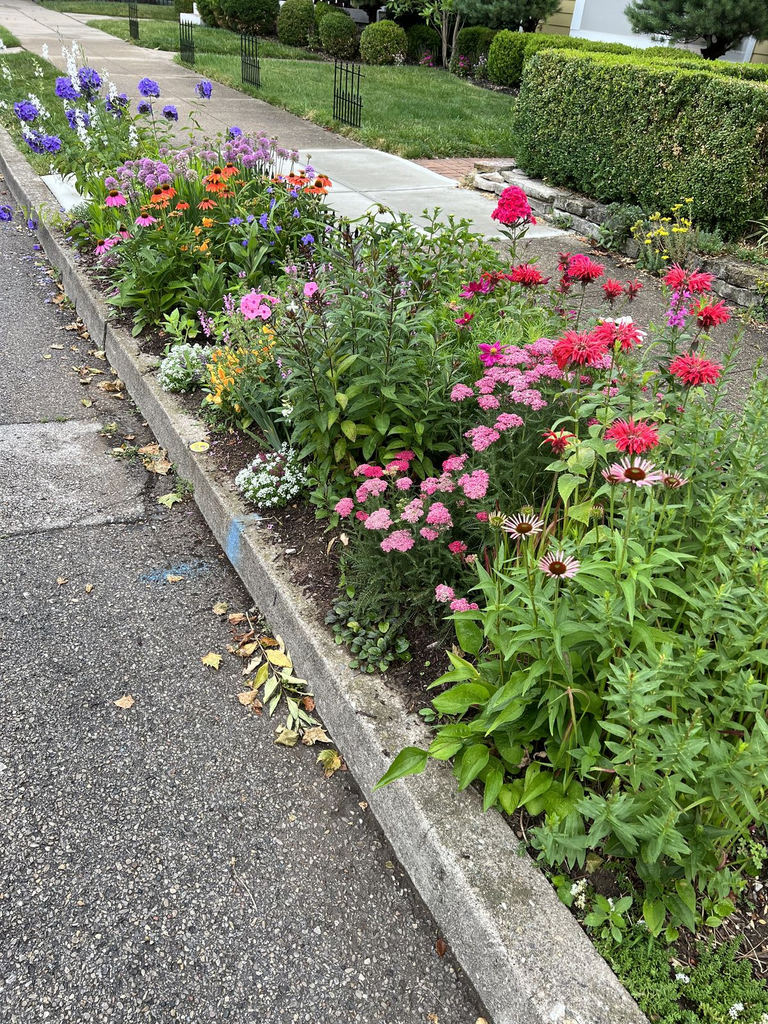
Pro tip: Functional narrow beds need more consistent access than ornamental ones — leave at least 18 inches of clear path alongside any bed you’re actually going to be harvesting from regularly, or you’ll end up compacting the soil by standing in it.
Narrow Garden Designs Compared
| Design Type | Best For | Typical Cost | Maintenance | Privacy Level |
|---|---|---|---|---|
| Side yard (gravel + structural plants) | High foot traffic, drainage-prone strips | $200-600 | Low | Low-medium |
| Long backyard “rooms” layout | Yards over 40 ft deep | $500-2,000+ | Medium | Medium |
| Pathway-centered design | Main route to a gate or entry | $150-800 | Low-medium | Low |
| Vertical/living wall system | Very tight footprints under 4 ft wide | $100-500+ | Medium-high | Medium |
| Courtyard/patio style | Enclosed spaces between structures | $300-1,200 | Low-medium | High |
| Functional (edible/cut-flower) | Sunny narrow strips you’ll actually work in | $100-400 | Medium-high | Low |
Where I’d Actually Start
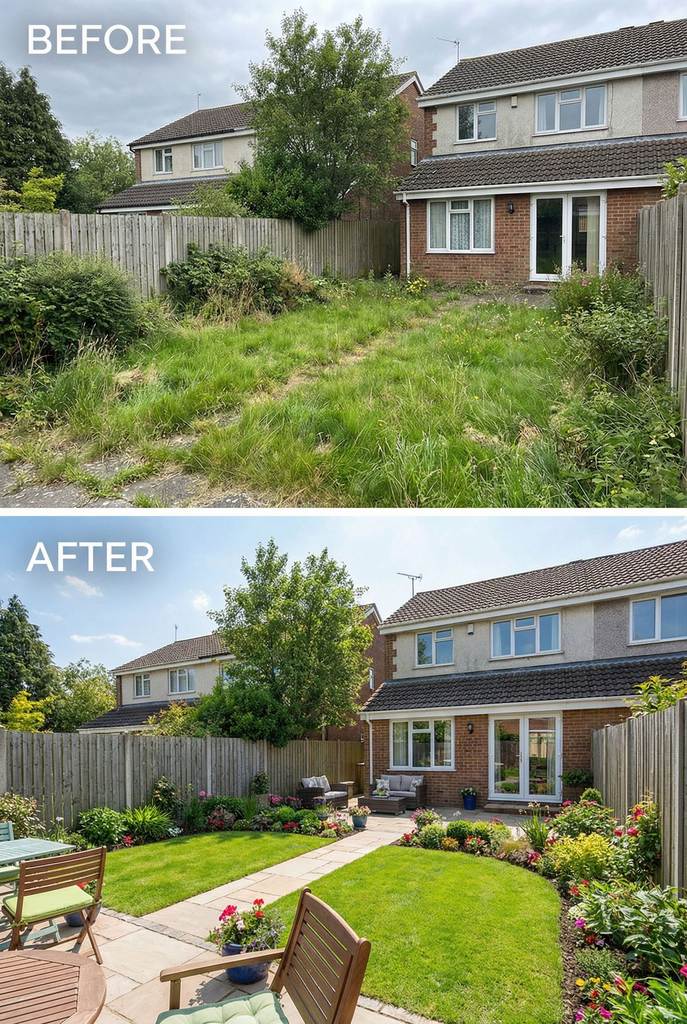
If I were redoing that old side yard today instead of just storing recycling bins in it, I’d start with the stepping stone path and structural planting from the side yard section, then add vertical trellis panels along one fence once the path was in — not the other way around.
Most of the narrow garden failures I’ve seen come from planting first and figuring out circulation later, which just means ripping things out once you realize you can’t actually walk through what you built.
Pick the design that matches your yard’s actual shape and light, not the one that looks best in a wide-angle photo, and the narrow part of “narrow garden” stops being the obstacle.


Leave a Reply