
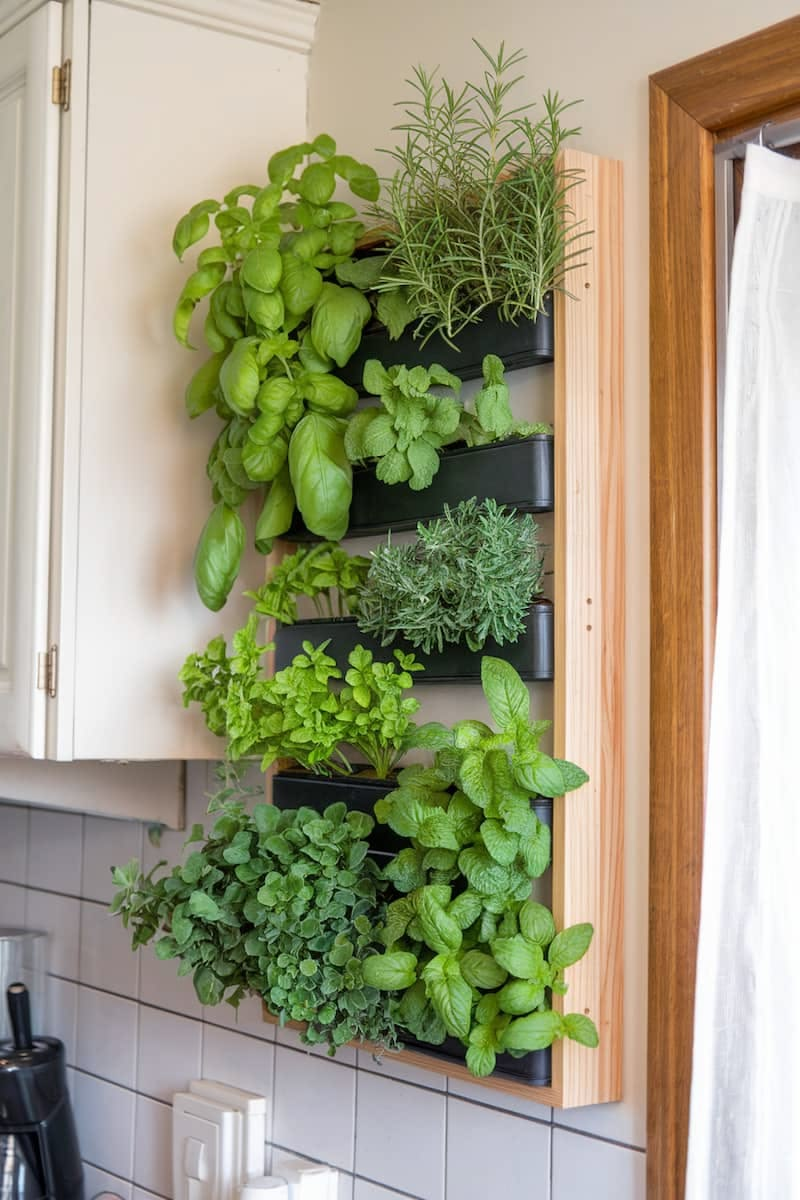
I killed three basil plants in a row before I figured out the actual problem: I didn’t have a “black thumb,” I just had zero light in my old apartment kitchen and kept treating every herb like it wanted the same thing.
Once I started matching the herb garden idea to my actual space instead of copying whatever I saw on Pinterest, I went from buying sad plastic-wrapped cilantro every week to snipping what I needed off my counter.
That’s really what this post is about. Herb garden ideas get treated like one category, but a person with a 60 square foot balcony, a person with zero outdoor space at all, and a person with a full backyard are solving three different problems.
So I split this list up by situation — indoor and windowsill setups, vertical and wall-mounted options, outdoor containers, repurposed DIY containers, and permanent in-ground or raised bed setups — so you can skip straight to what actually applies to you.
I’m including real costs where I can, because “just get a pot and some seeds” undersells how much the container, the light situation, and the soil actually matter.
If you’ve got 30 seconds, here’s the short version: if you’re in an apartment with a decent window, start with a simple windowsill setup and skip the fancy indoor growing systems until you know you’ll keep it up.
If you’ve got outdoor space, a single large container with 3-4 compatible herbs will outperform five tiny separate pots almost every time.
Indoor and Kitchen Counter Herb Gardens
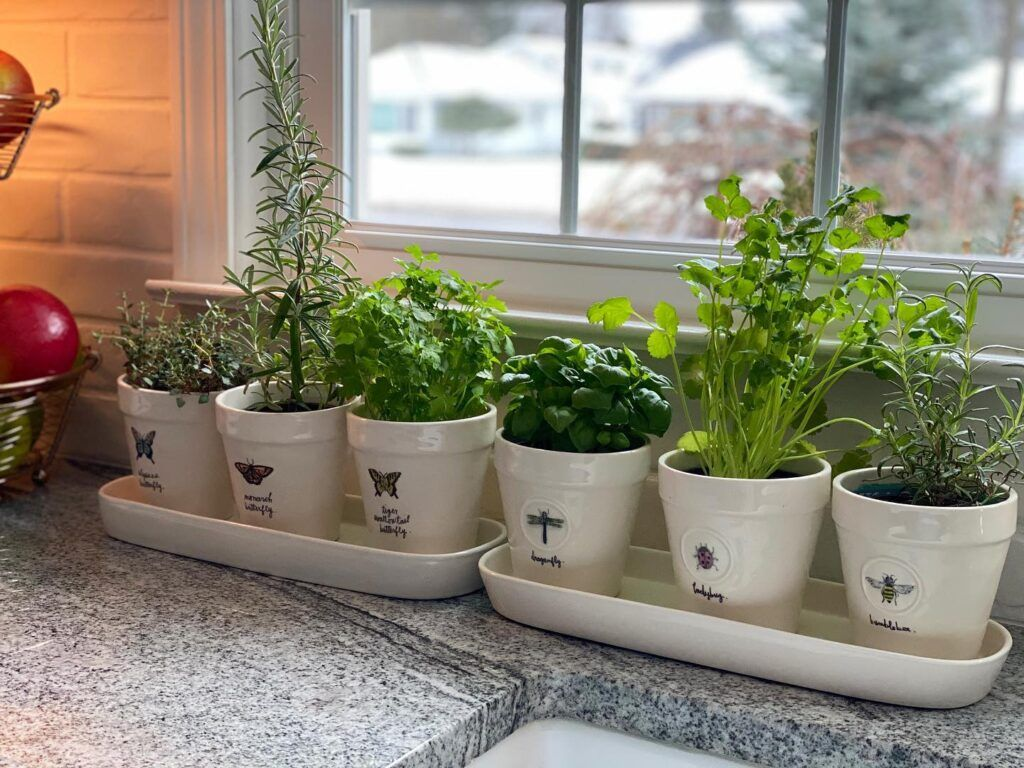
Indoor herb gardens are the entry point for most people because they solve the actual problem — needing fresh herbs while cooking, not admiring plants from across a yard. The catch is that indoor light is almost always worse than people think, so this section leans hard on realistic light expectations.
1. The classic kitchen windowsill garden
This is the idea everyone pictures, and it works, but only with a south-facing or west-facing window. My kitchen window faced north and I didn’t realize that was the actual issue for almost a year — I kept blaming the soil. If your window gets less than 4-6 hours of direct light, skip straight to idea #6 (grow lights) instead of fighting it.
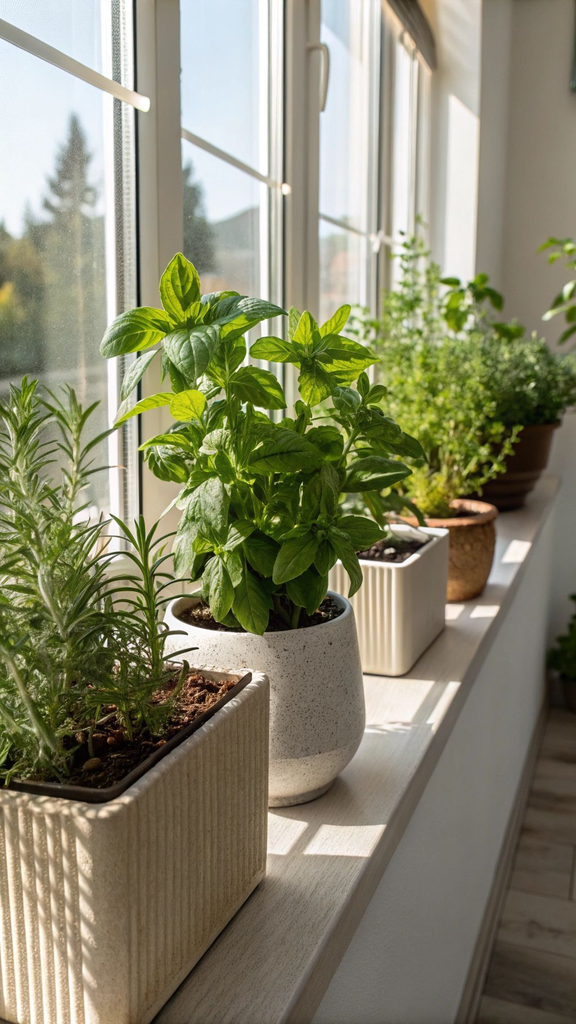
2. A single long trough planter instead of individual pots
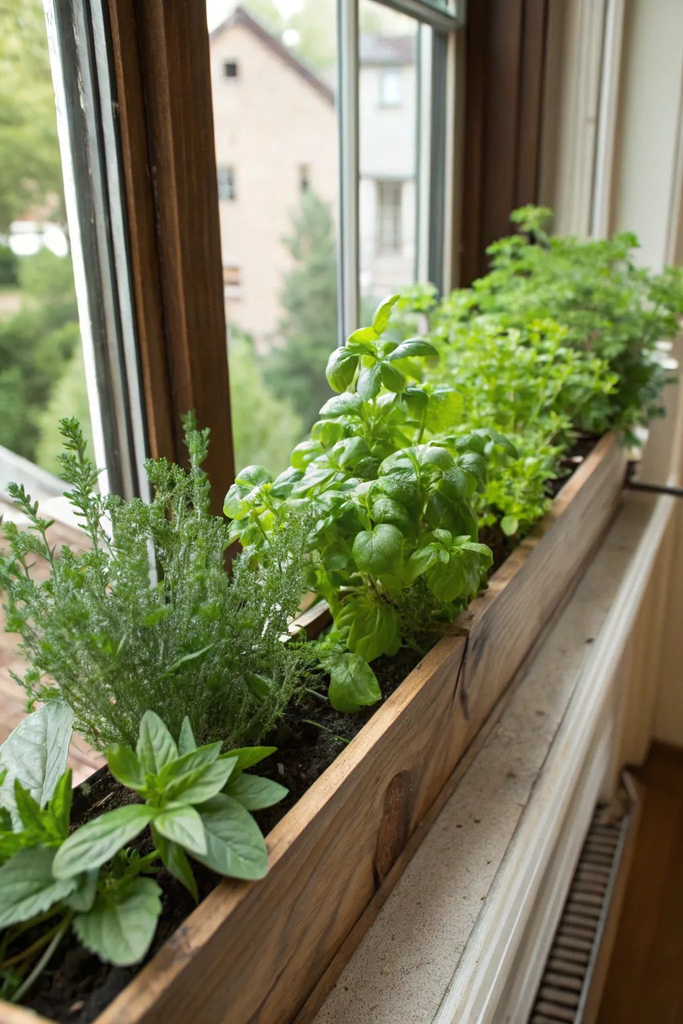
Instead of five separate 4-inch pots crowding a windowsill, one 24-inch trough with a drainage tray holds basil, thyme, chives, and parsley with room to actually grow. It also just looks more intentional and is way easier to water — one pass instead of five.
3. Hanging jars for a small kitchen window
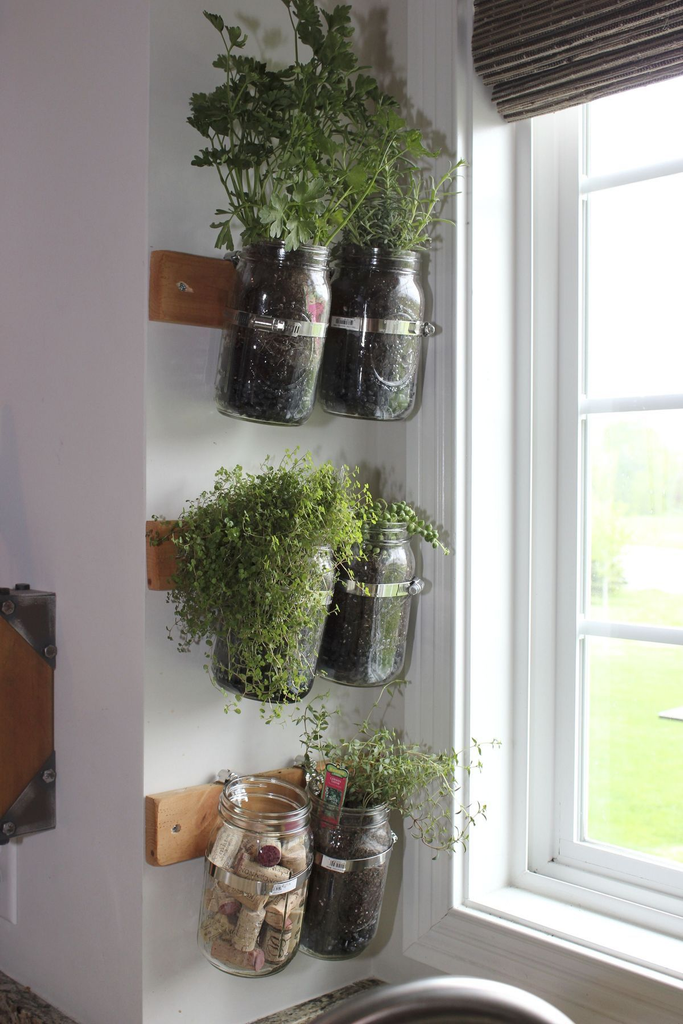
Mason jars in a wall-mounted rack work if you’re using cuttings and water-propagated herbs like mint or basil rather than seed-started ones, since jars don’t drain.
A reader on one of my other posts mentioned she does this with grocery-store basil cuttings and just keeps replacing the water — costs her almost nothing and she never buys basil again.
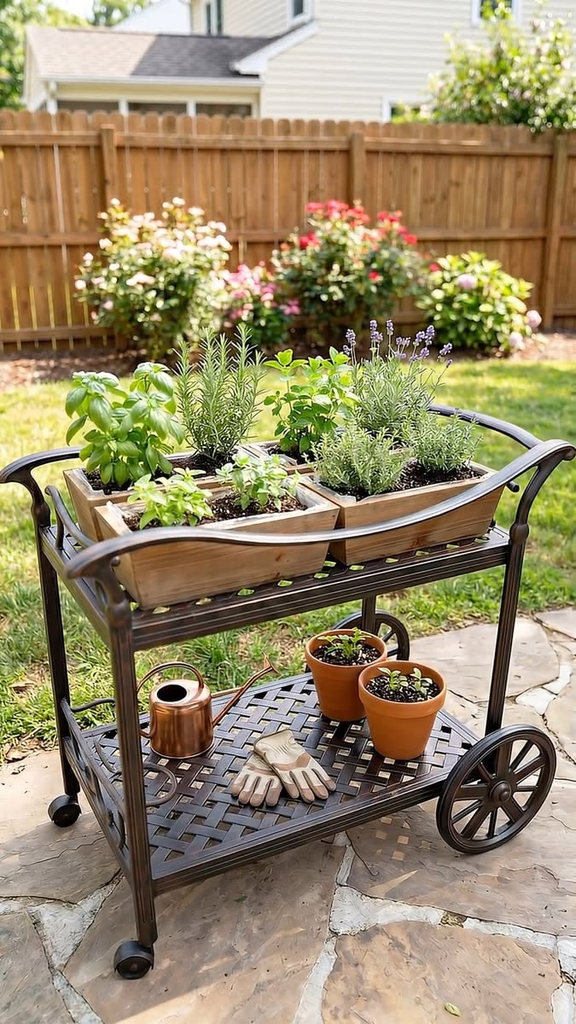
4. A rolling plant cart for renters with limited light
If your only good light is by a door you need to keep clear, a small rolling cart lets you chase the sun around your apartment through the day, which sounds excessive until you’ve actually tried to keep rosemary alive in a shadowy corner.
It’s also genuinely useful in winter when the light angle shifts.
5. Herbs on open kitchen shelving instead of a cabinet
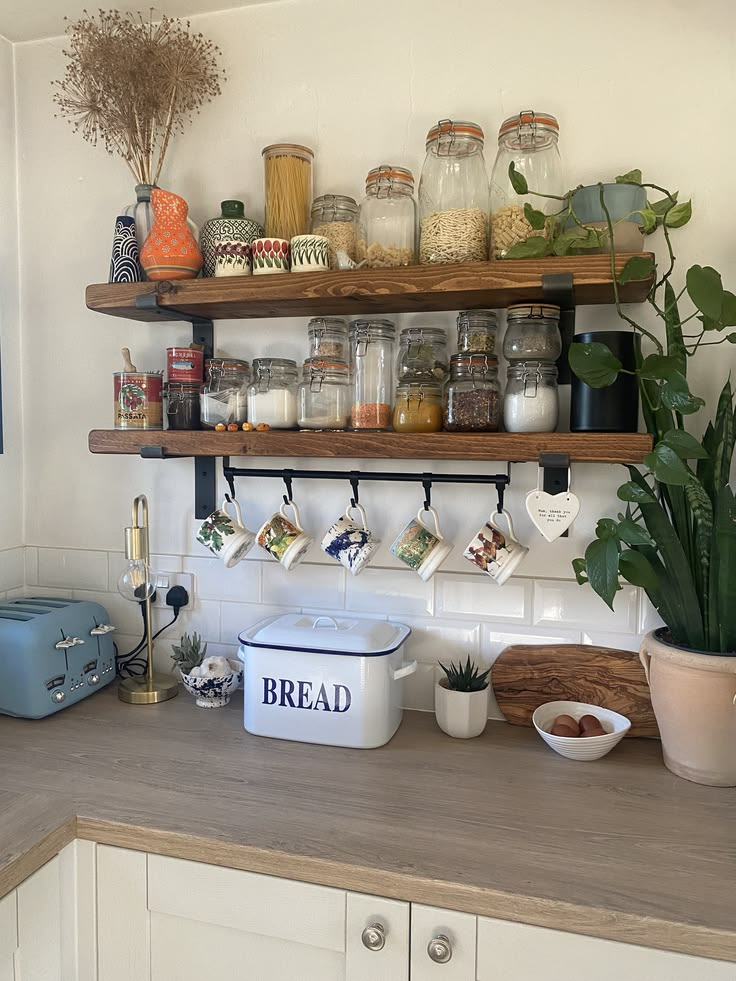
If you already have open shelving near a window, small pots slotted between cookbooks or dishware skip the “dedicated garden space” problem entirely.
The trade-off is you’ll get soil dust and occasional drips on your dishes, so line the shelf.
Pro tip: Almost every indoor herb garden failure I’ve seen (including my own) comes down to overwatering, not underwatering — indoor pots dry out much slower than outdoor ones because there’s less airflow and evaporation. Stick your finger in an inch of soil before watering, not on a schedule.
Small-Space and Windowsill-Specific Setups
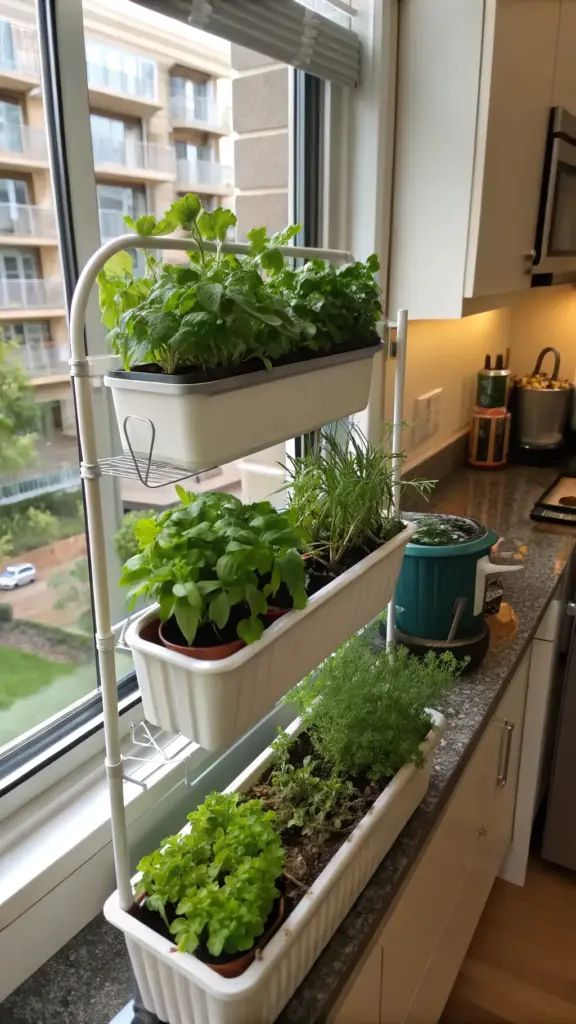
This is really a subcategory of indoor gardens, but small-space living (studio apartments, dorms, tiny kitchens) has its own specific constraints worth separating out — mainly, there’s no room for anything that doesn’t do double duty.
6. A compact LED grow light setup for a north-facing window
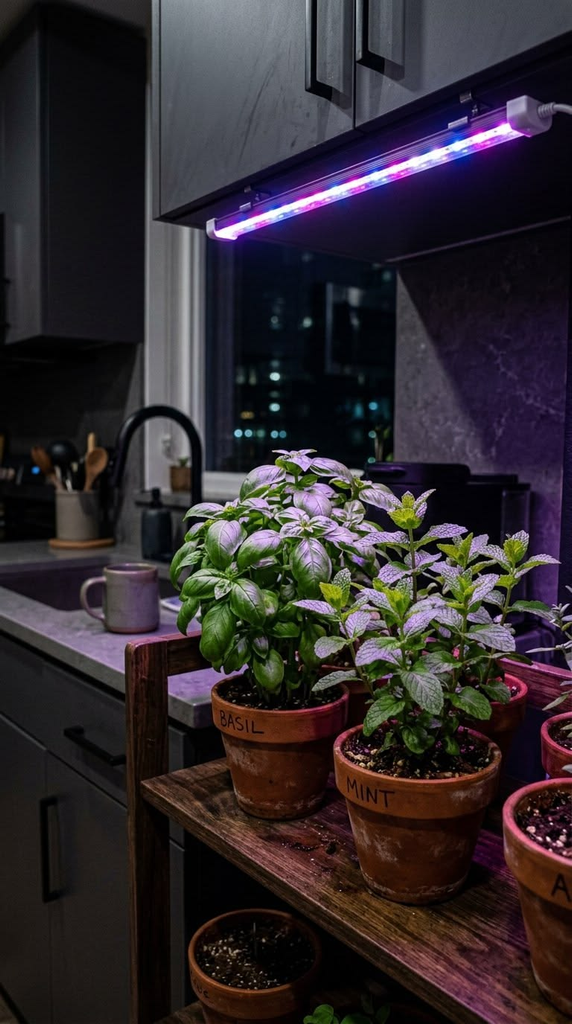
If natural light isn’t an option, a small clip-on or freestanding LED grow light (the actual full-spectrum kind, not a regular desk lamp) runs somewhere in the $25-60 range and genuinely changes what you can grow.
I switched to one after my basil graveyard phase and it was the single biggest fix — bigger than any pot or soil change I made.
7. A tiered stand to stack herbs vertically on a small counter
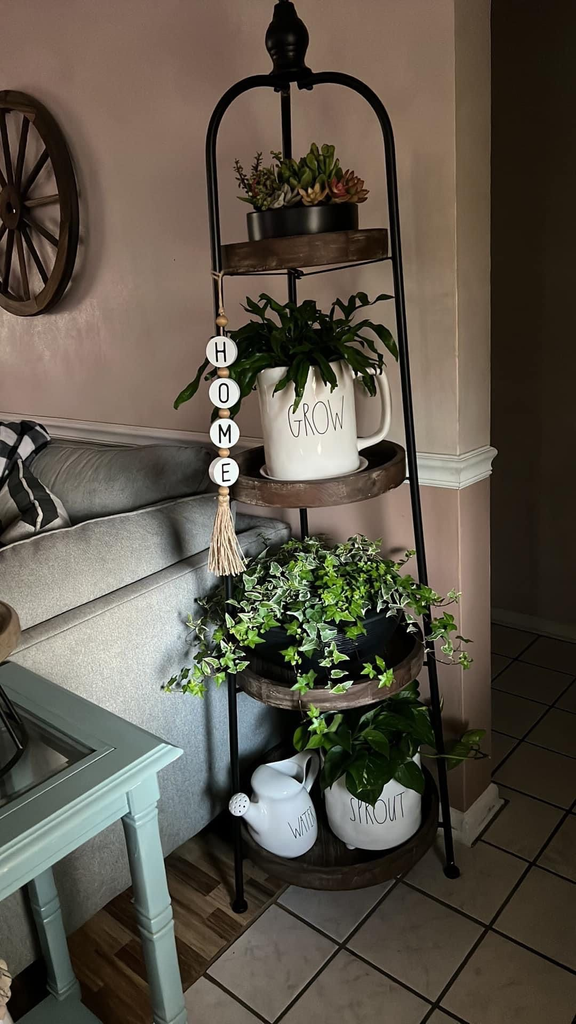
A 3-tier plant stand takes up the same footprint as one large pot but holds 6-8 small ones, which matters when your entire kitchen counter is maybe two feet wide.
Just know the top tier gets more light than the bottom one, so put your sun-hungry herbs (rosemary, thyme) up top and shade-tolerant ones (mint, parsley) below.
8. A single “kitchen sink” herb — just one plant, done well
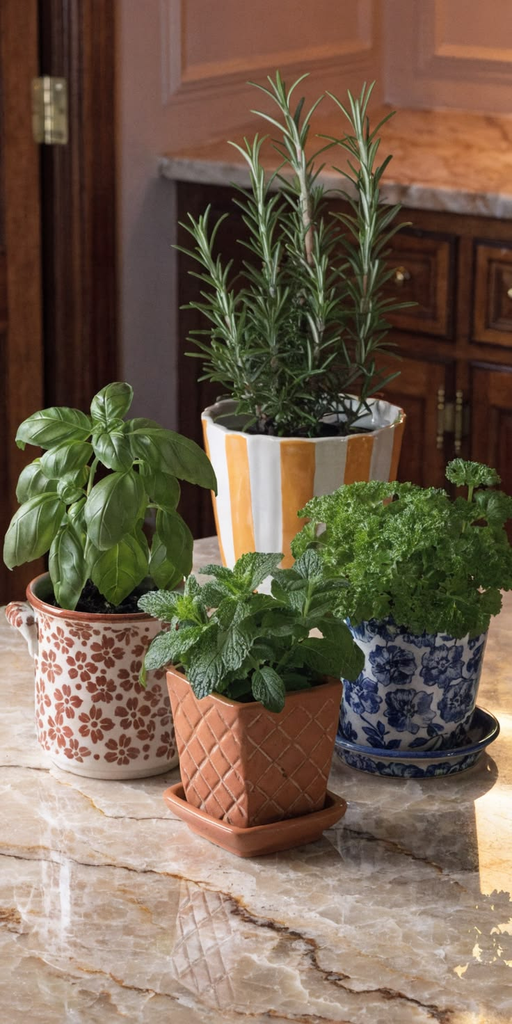
Not every small space needs a full herb garden. If you cook with one herb constantly, a single well-placed pot of it beats a half-dead collection of five you barely use. For a lot of people that’s basil or mint; figure out your actual cooking habits before building out a whole setup.
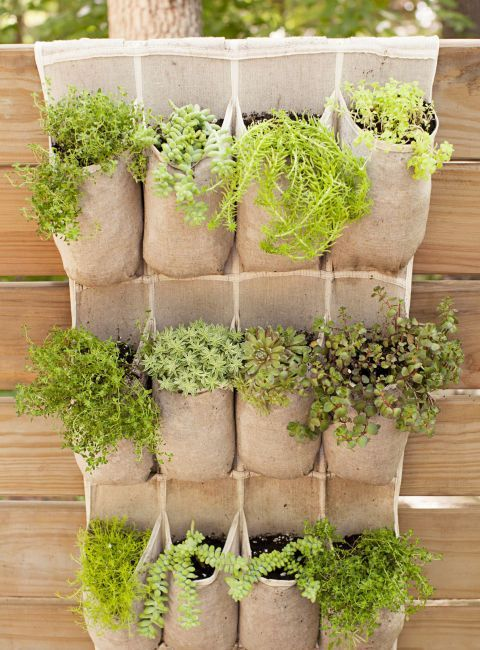
9. A door-mounted or over-the-sink pocket organizer repurposed for herbs
Fabric or vinyl pocket organizers meant for shoes or bathroom supplies can hold small herb pots if you cut drainage holes and use a tray underneath.
I tried this with the cheap over-the-door version first and it sagged and tore within a couple weeks under the weight of wet soil — spend the extra few dollars on one rated for actual weight, or skip it for a rigid wall-mounted version instead (idea #12).
Pro tip: In small spaces, herb smell and mess matter more than people admit. Mint and lemon balm can get overwhelming in a tight studio, and rosemary drops needles everywhere when it dries out even slightly — parsley, chives, and thyme are lower-drama choices for tiny apartments.
Vertical and Wall-Mounted Herb Gardens
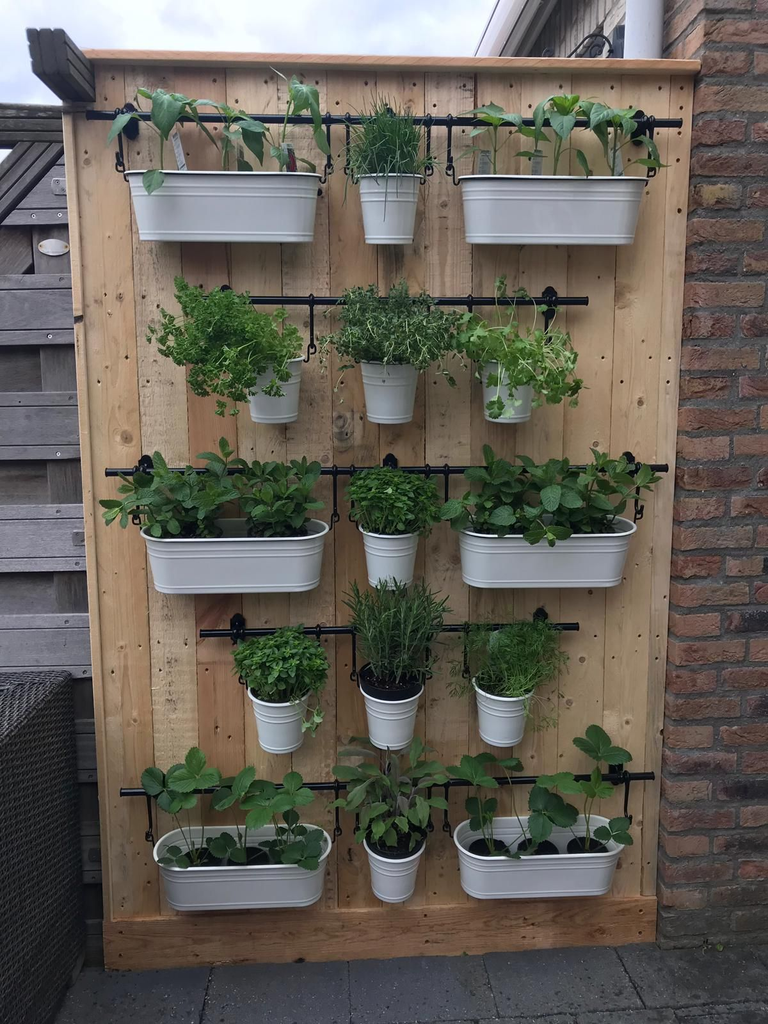
Vertical herb garden setups have gotten a lot of attention on Pinterest lately (I’ve got a board specifically for wall planters sitting around 12k saves), mostly because they solve the floor-space problem elegantly — you’re using wall real estate nobody else wants.
10. A wall-mounted pallet planter
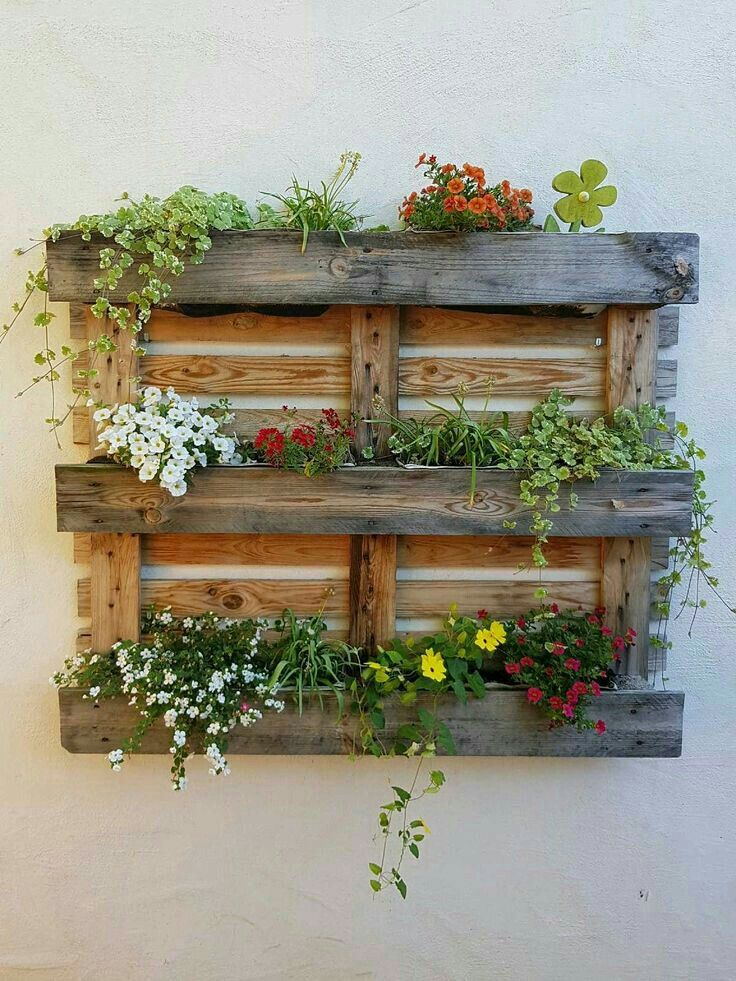
The reclaimed wood pallet planter is a genuinely good vertical option if you seal and sand the wood first — a lot of the DIY tutorials skip that step and people end up with splinter-prone, moldy planters within a season. Line each pocket with landscape fabric before adding soil so it doesn’t just pour out the gaps.
11. Modular stackable wall planters
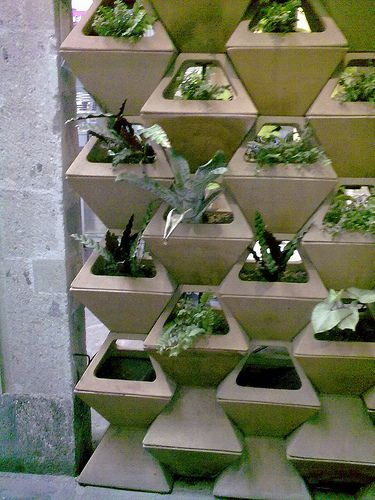
Plastic or ceramic modular systems that click together vertically are more expensive upfront (often $15-30 per module) but solve the drainage and structural issues DIY pallet versions run into. Good option if you want the vertical look without a weekend project.
12. A rigid vertical pocket planter for balconies or fences
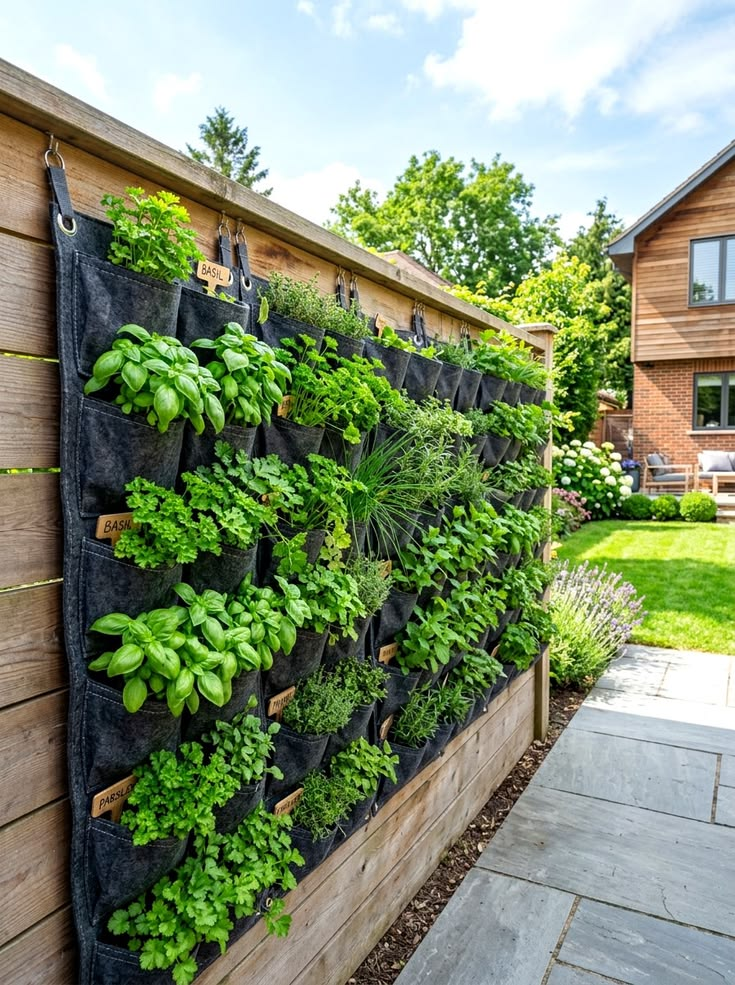
Heavy-duty felt or vinyl pocket planters (the sturdier cousin of idea #9) work well outdoors on a fence or railing where they get proper airflow to dry out between waterings, which indoor versions don’t get as easily.
13. A ladder shelf repurposed as a vertical herb display
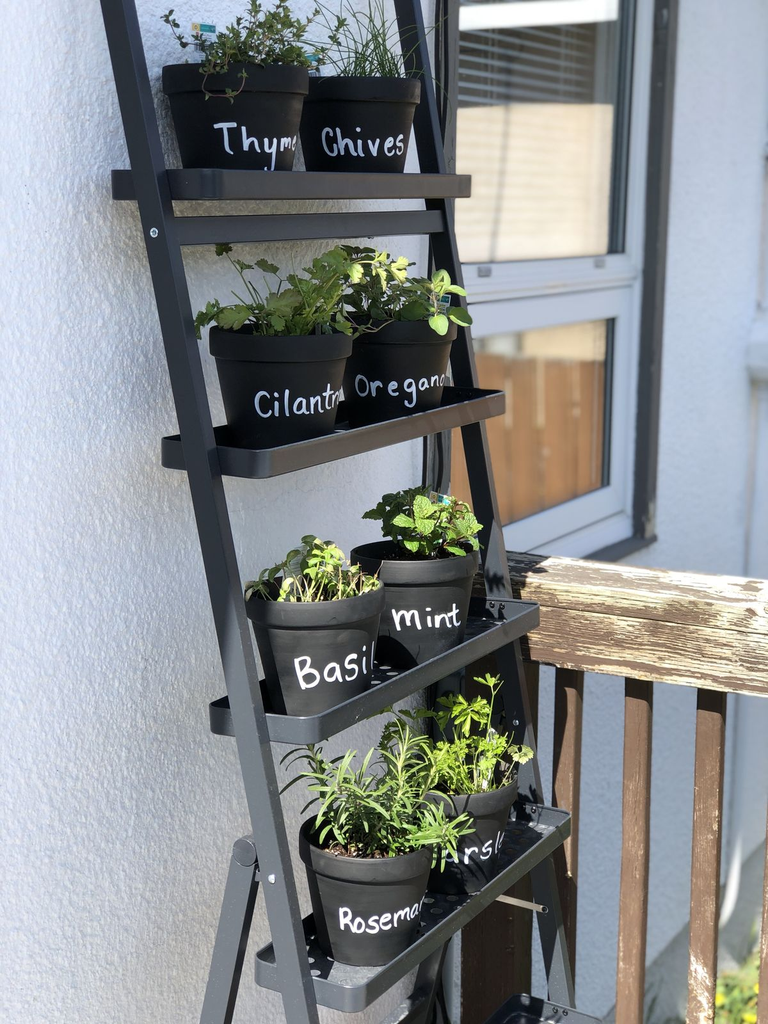
An old wooden ladder leaned against a wall with pots resting on each rung is more decorative than space-efficient, but it works well on a covered patio or sunroom where you want the herb garden to also function as a design piece, not just a utility setup.
Pro tip: Vertical planters dry out faster than any other setup on this list because gravity pulls water down and out fast — water more frequently than you think you need to, and check the top tier daily in summer heat.
Outdoor Container and Patio Herb Gardens
If you’ve got a patio, balcony, or small yard, containers give you more control over soil and drainage than planting directly in the ground, and they’re forgiving if your first attempt at herb placement doesn’t work out — you can just move the pot.
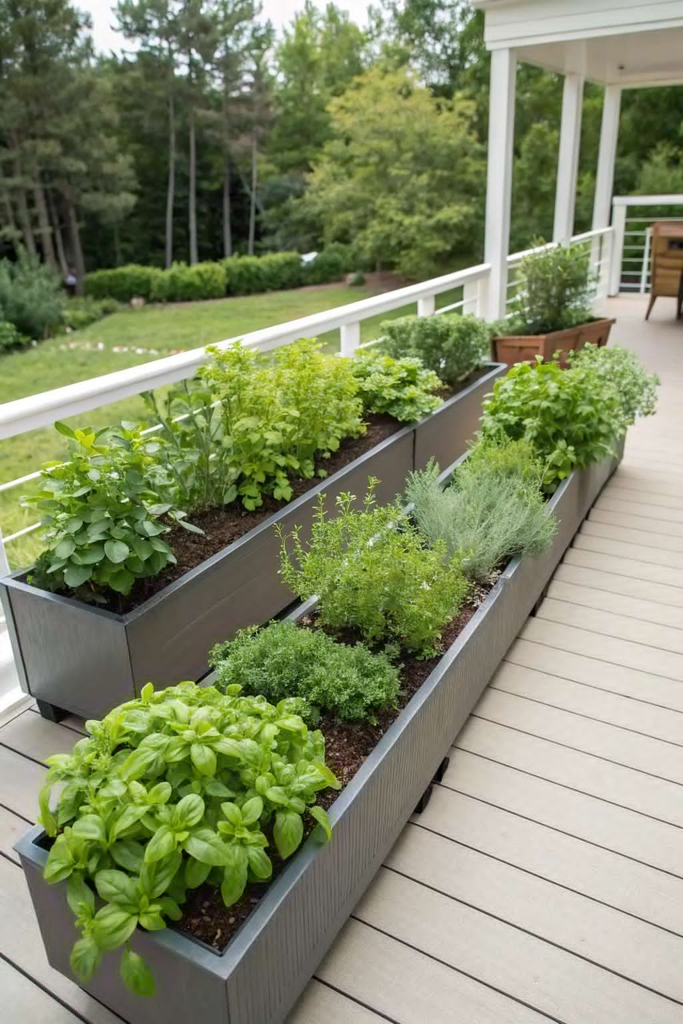
14. One large mixed container instead of many small pots
A single 16-18 inch container with rosemary, thyme, and oregano (all Mediterranean herbs that like similar dry, well-draining conditions) will consistently outperform the same herbs split into individual small pots, because the shared soil mass retains moisture more evenly.
Just don’t mix Mediterranean herbs with thirsty ones like basil or mint in the same pot — that combination fails almost every time because their water needs directly conflict.
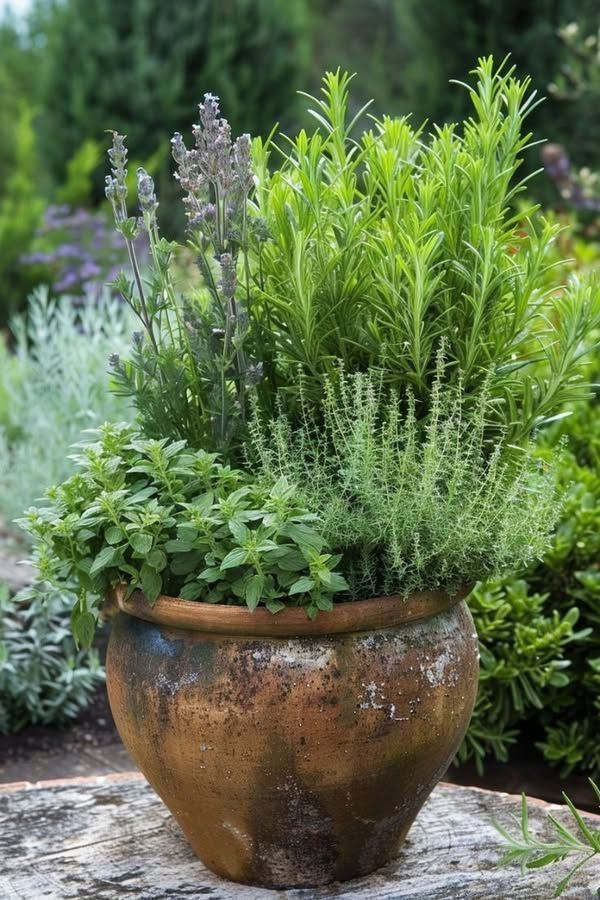
15. A dedicated container for spreading herbs like mint
Mint deserves its own pot, always. It’s borderline invasive and will take over any shared container or garden bed within a season — my neighbor learned this the hard way after planting it directly in her garden bed, and three years later it’s still showing up in unrelated flower beds.
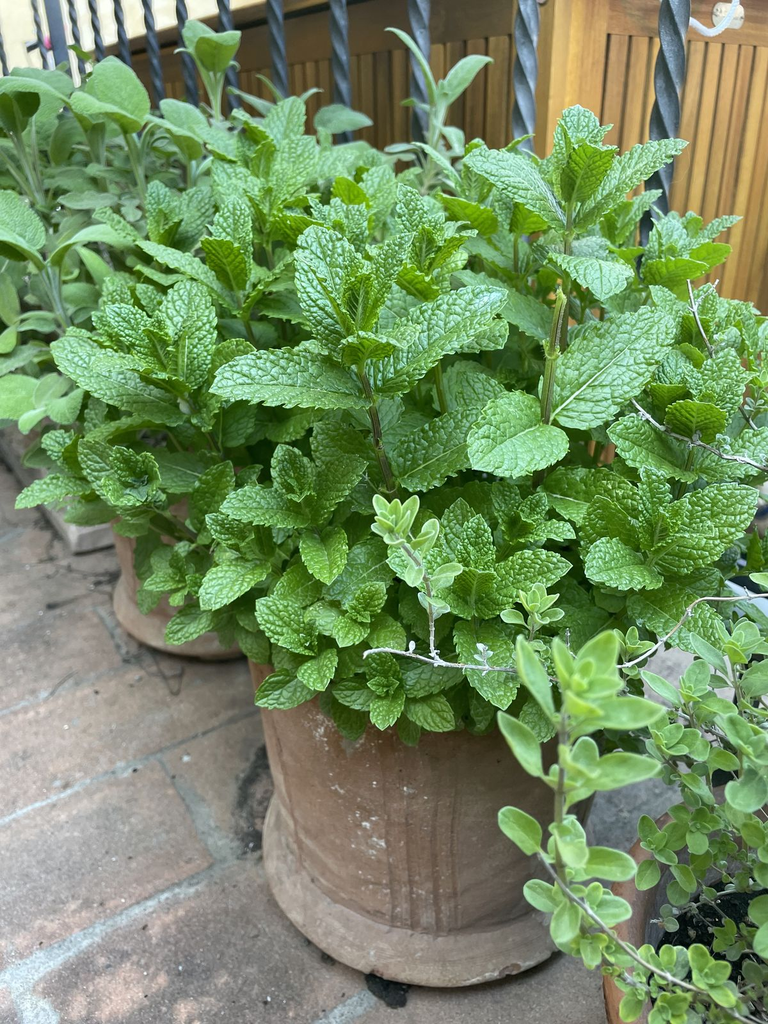
16. Railing-mounted planter boxes for balconies
Over-the-rail planter boxes are the best option if your balcony floor space is basically zero. Check your building’s weight and railing-width restrictions before buying — a lot of renters skip this step and end up with a box that doesn’t fit or isn’t technically allowed.
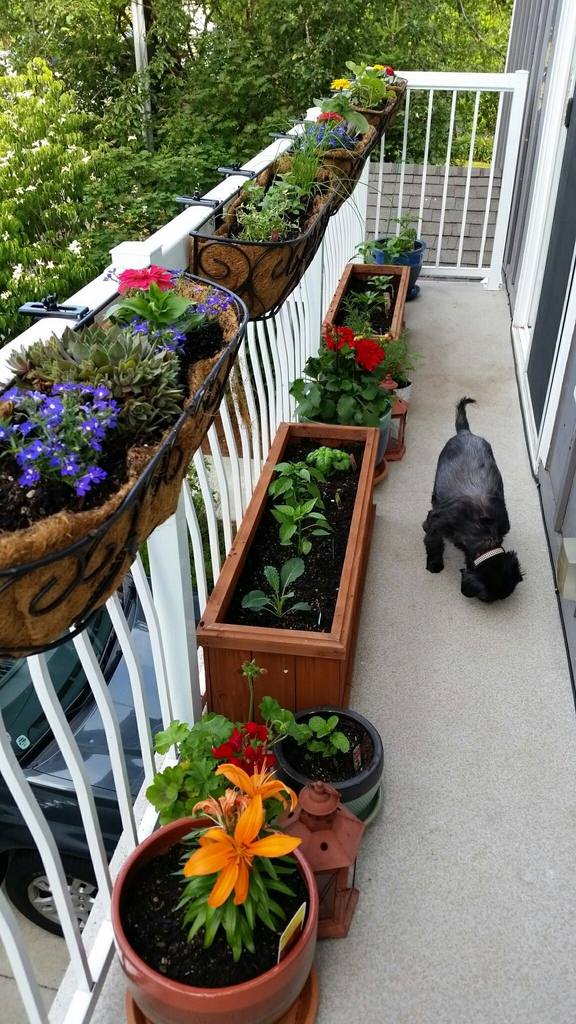
17. A wheeled container for herbs that need to chase the sun or dodge weather
Herbs in pots with caster wheels underneath can get moved to catch more sun in spring or come inside during a surprise cold snap, which matters more than people expect if you live somewhere with unpredictable weather swings.
18. Grouped pots on a plant stand or shelf to maximize a small patio
Similar to idea #7 but sized up for outdoor pots — a sturdy multi-tier outdoor shelf unit lets you fit 8-10 pots in the footprint of 3-4, which matters on a standard apartment balcony.
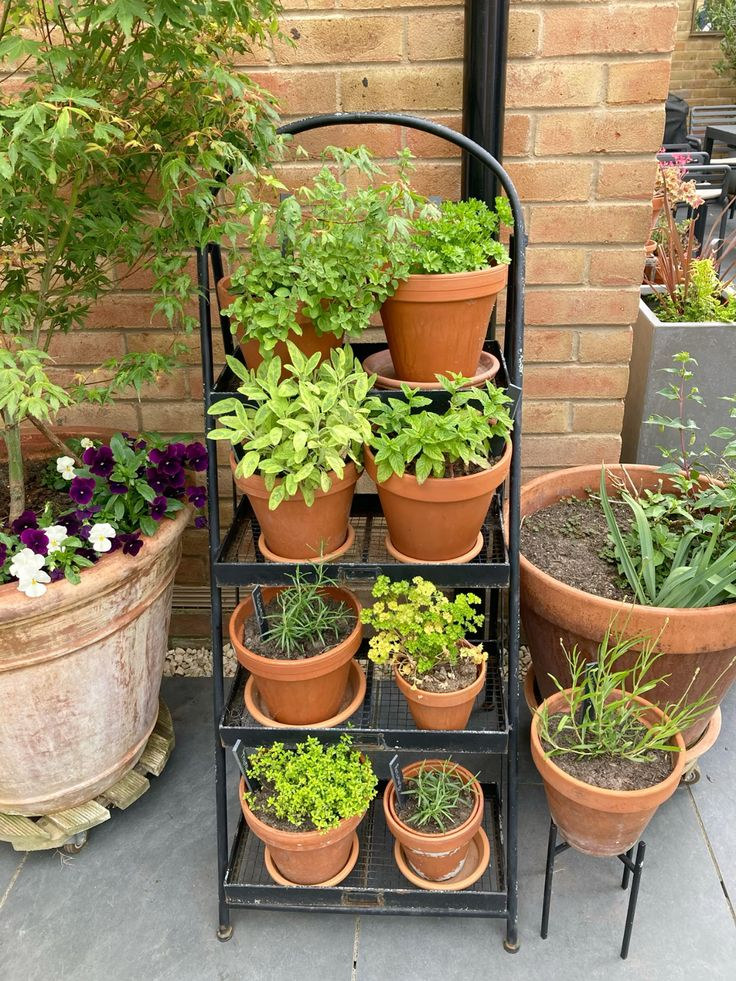
Pro tip: Terracotta pots look better but dry out significantly faster than plastic or glazed ceramic — if you’re forgetful about watering, that “nicer” material is actually working against you outdoors in full sun.
Repurposed and DIY Container Ideas
This is the category where personality actually shows up — using something other than a standard pot. It’s also where the cost savings are real if you already own the container.
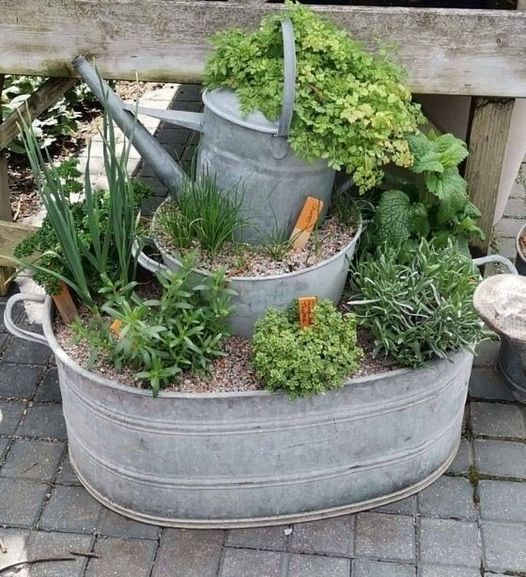
19. Mason jars or tin cans with drilled drainage holes
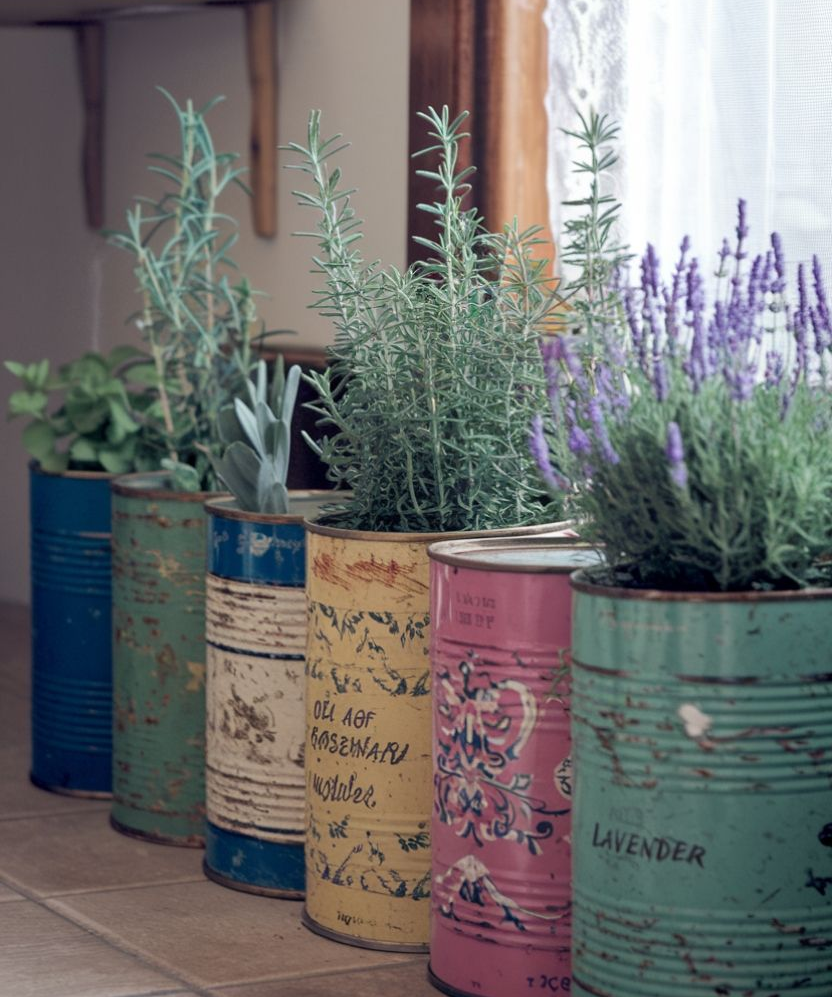
The cheapest possible entry point if you already have jars or cans lying around. Drilling drainage holes in metal cans takes a masonry or metal drill bit, not a regular one — I stripped two regular bits trying this before switching, so don’t skip that detail.
20. An old wooden crate or wine box as a multi-herb planter
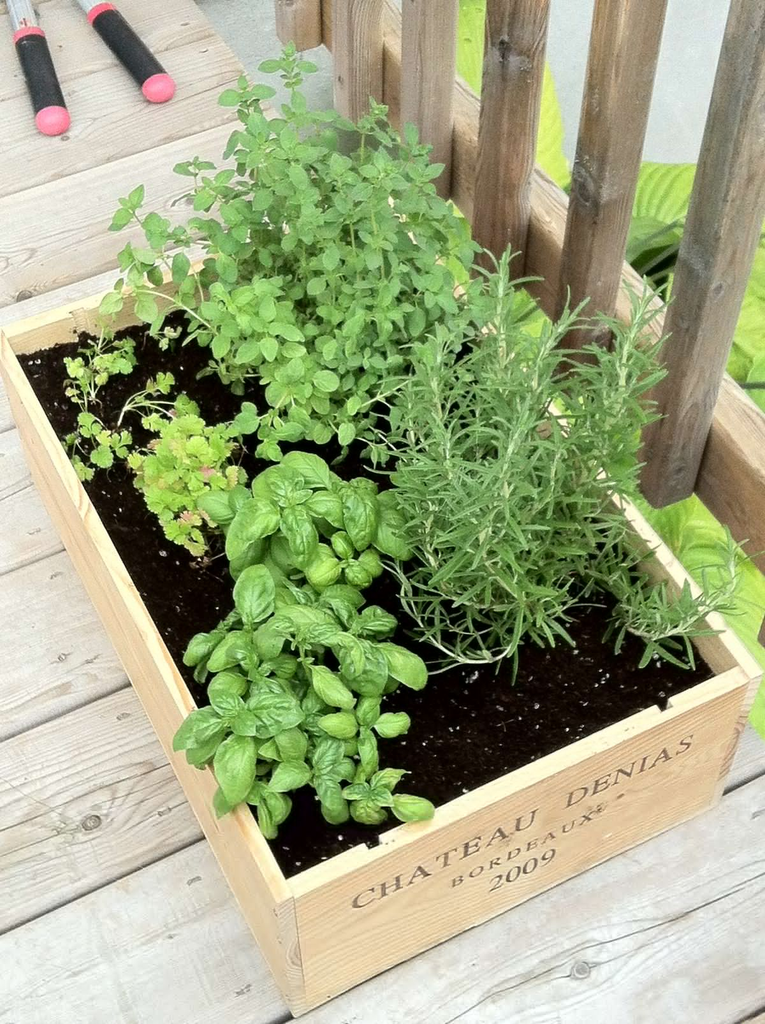
Wooden crates give you trough-style planting (see idea #2) with more visual character, and they’re often free or cheap secondhand. Line the inside with plastic sheeting first, or the wood will rot out within a season or two from constant moisture contact.
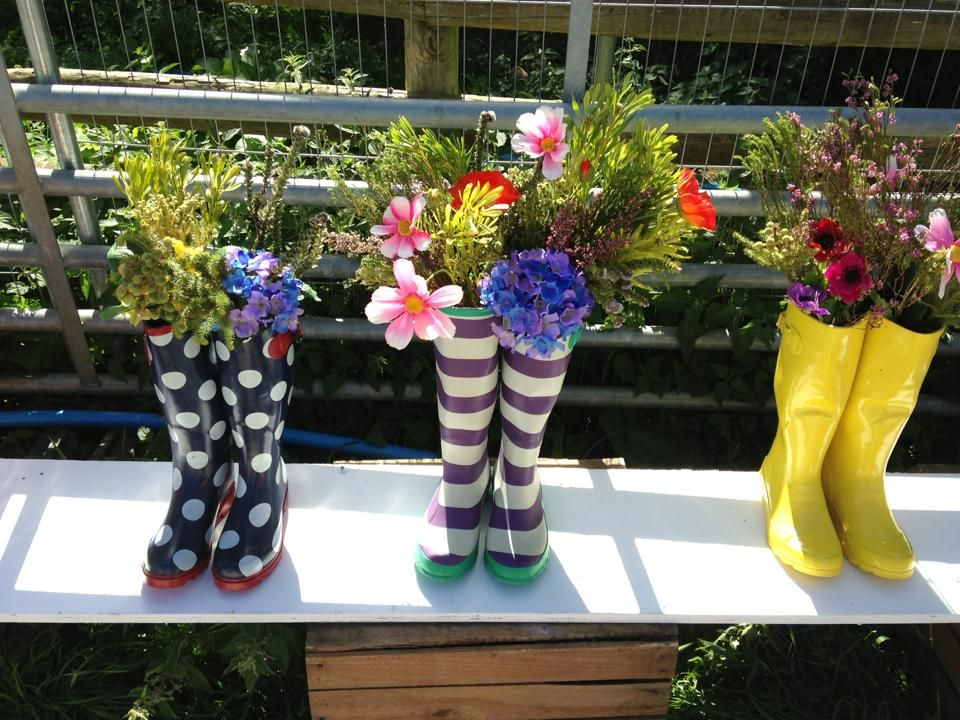
21. A repurposed rain boot or watering can as a statement planter
More decorative than practical, but a genuinely fun option for a porch or entryway if you’ve got an old pair of rain boots or a rusted watering can that’s no longer functional for its original job. Drainage is the whole challenge here — drill multiple holes, not just one.
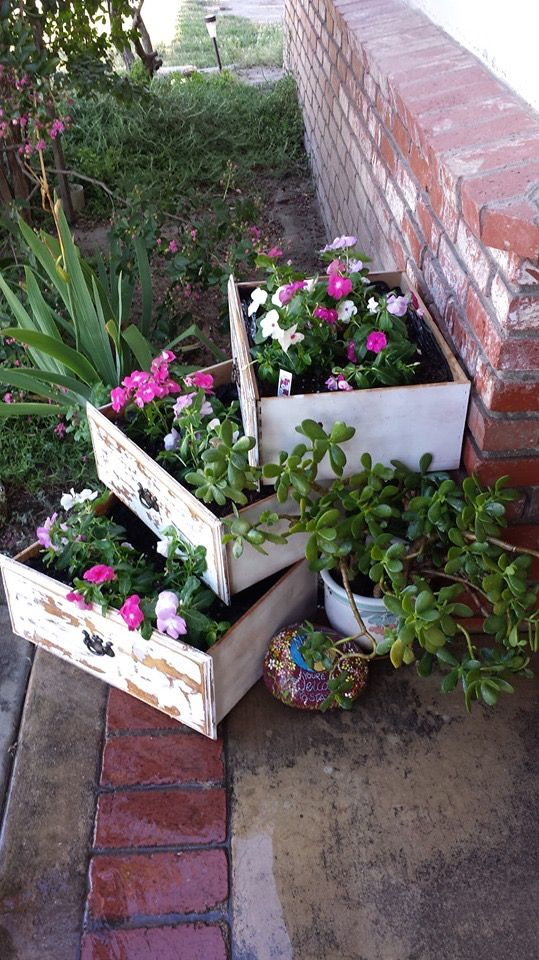
22. A vintage dresser drawer as a raised herb box
If you’re already repurposing furniture, a drawer pulled from a dresser you’re getting rid of makes a surprisingly good shallow planter box for herbs, which don’t need deep root space the way vegetables do.
Add a layer of gravel at the bottom for drainage since drawers usually have no holes at all.
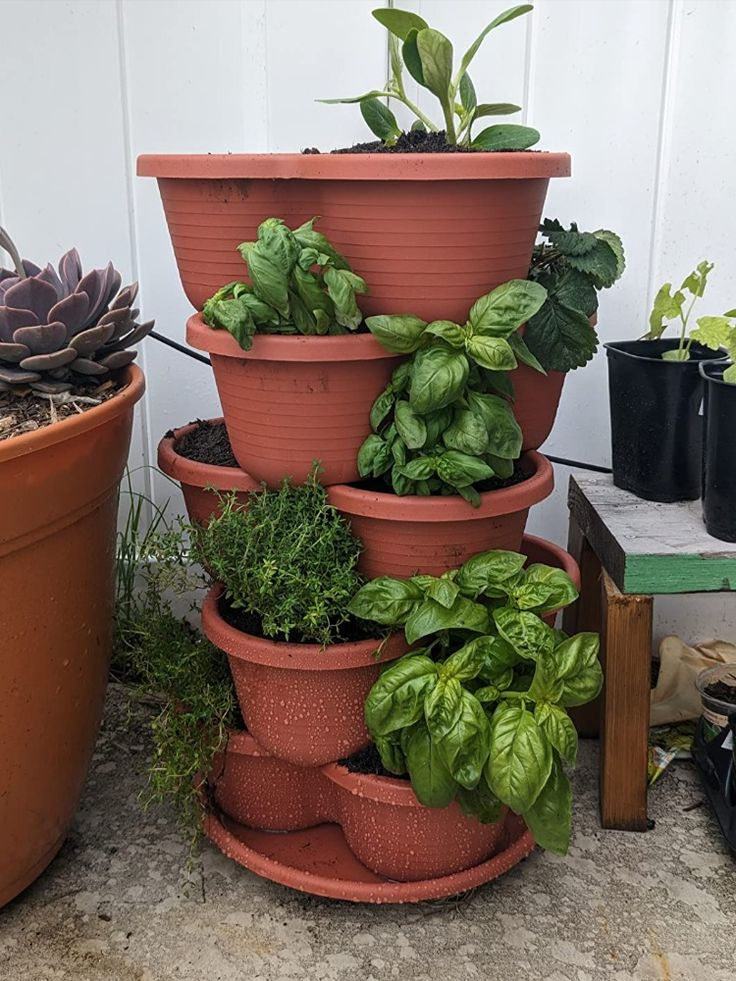
23. A tiered strawberry pot for multiple herbs in one footprint
Those ceramic or terracotta pots with side pockets, usually sold for strawberries, work well for herbs too and solve a similar space problem to vertical planters without needing wall mounting.
Pro tip: Anything repurposed from household materials should be checked for what it originally held — old paint cans, treated wood, and certain metal containers can leach chemicals into soil that you don’t want anywhere near something you’re going to eat.
Raised Bed, In-Ground, and Permanent Herb Garden Ideas
If you’ve got a yard and know you’re staying put for a while, permanent in-ground or raised bed setups are the most cost-effective option long term, even though the upfront work is more involved.
24. A dedicated raised bed just for herbs, separate from vegetables
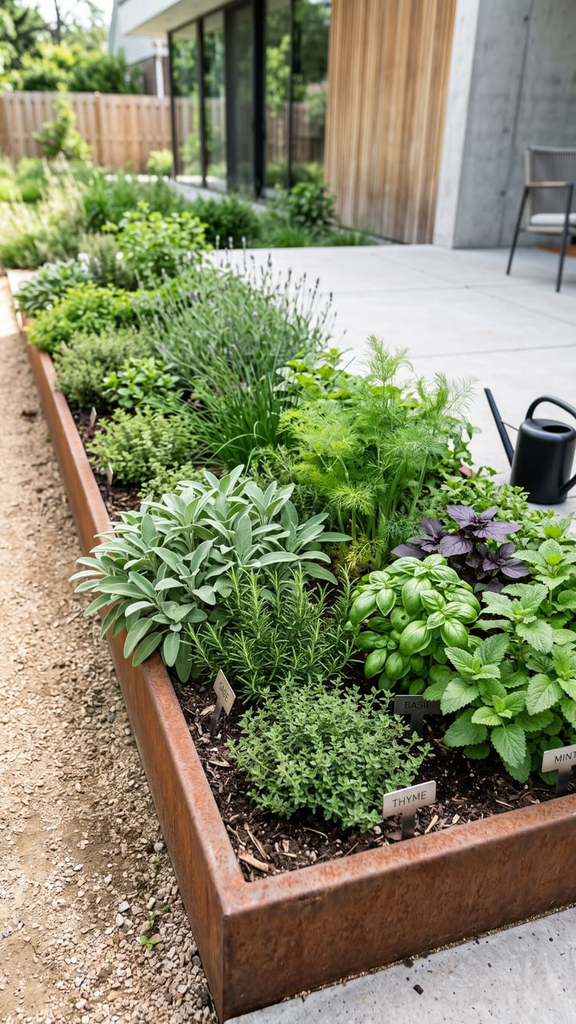
Herbs generally want drier, leaner soil than most vegetables, so a shared raised bed often means compromising one or the other.
A separate herb-only raised bed, even a small 3×3 foot one, lets you control soil and watering specifically for what herbs actually want.
25. A spiral herb garden built into a permanent bed
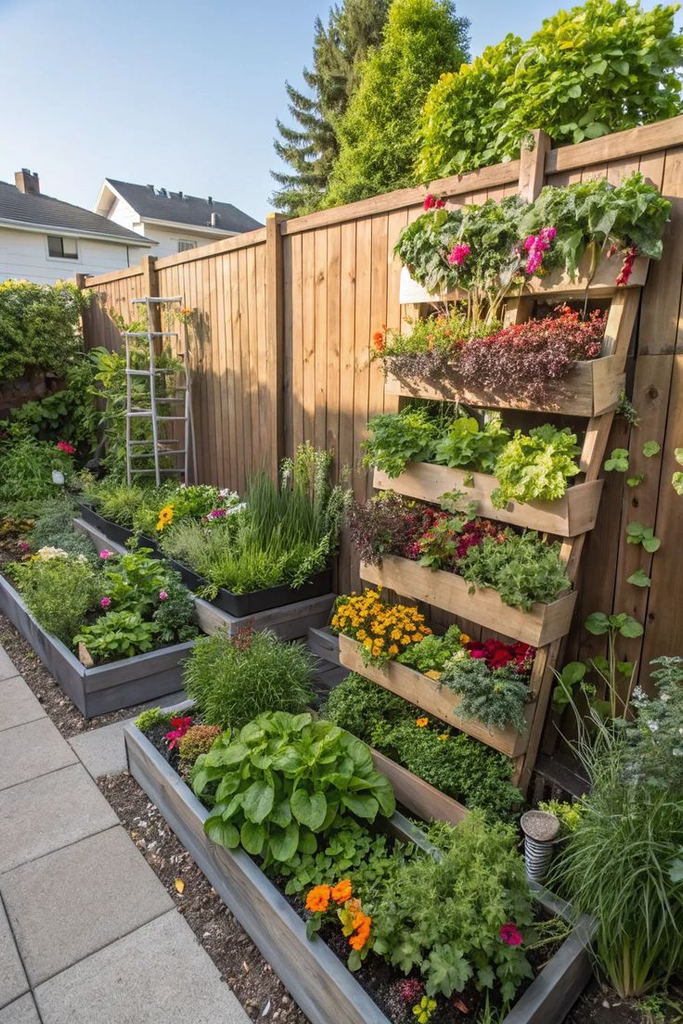
The herb spiral — a raised, coiled mound of soil and stone that creates different microclimates at different heights and sides — is more of a weekend project than any other idea on this list, but it lets you grow herbs with completely different water and sun needs within a few feet of each other by using the natural drainage gradient.
It’s a bigger commitment, but it’s the option I’d build if I ever had a permanent yard to work with.
Pro tip: In-ground and raised bed herbs need their soil amended differently than a vegetable bed — heavy compost that’s great for tomatoes will make woody Mediterranean herbs like rosemary and sage leggy and less flavorful. Go leaner than you think.
Herb Garden Types Compared
| Setup Type | Typical Cost | Space Needed | Maintenance Level | Best For |
|---|---|---|---|---|
| Windowsill / counter pots | $15-40 | Minimal (counter or sill) | Low-medium, needs consistent light check | Apartments, renters, beginners |
| Grow light indoor setup | $40-80 | Minimal | Medium (light + watering schedule) | No good natural light, year-round growing |
| Vertical / wall-mounted | $25-100+ | Wall space only | Medium-high, dries out fast | Balconies, small patios, no floor space |
| Outdoor container (single large pot) | $20-50 | Small footprint | Low-medium | Patios, small yards, easy moving/protecting |
| DIY repurposed containers | $0-15 | Varies | Medium, depends on drainage setup | Budget-conscious, personality-driven decor |
| Raised bed / permanent | $80-250+ | Dedicated ground space | Low once established | Homeowners, long-term setups |
Where I’d Actually Start
If I were setting up a herb garden from zero again, knowing what I know now, I’d skip the multi-pot windowsill collection I originally tried and go straight to one large mixed container outdoors if I had any outdoor space at all, or a single grow-light setup with 3-4 herbs indoors if I didn’t.
Most of my early mistakes weren’t about which herbs I picked — they were about spreading myself across too many small pots instead of doing fewer things well.
Whatever you land on, match the setup to the light and space you actually have, not the one that photographs best. The pots that look the nicest on Pinterest are rarely the ones that survive a real kitchen.


Leave a Reply