
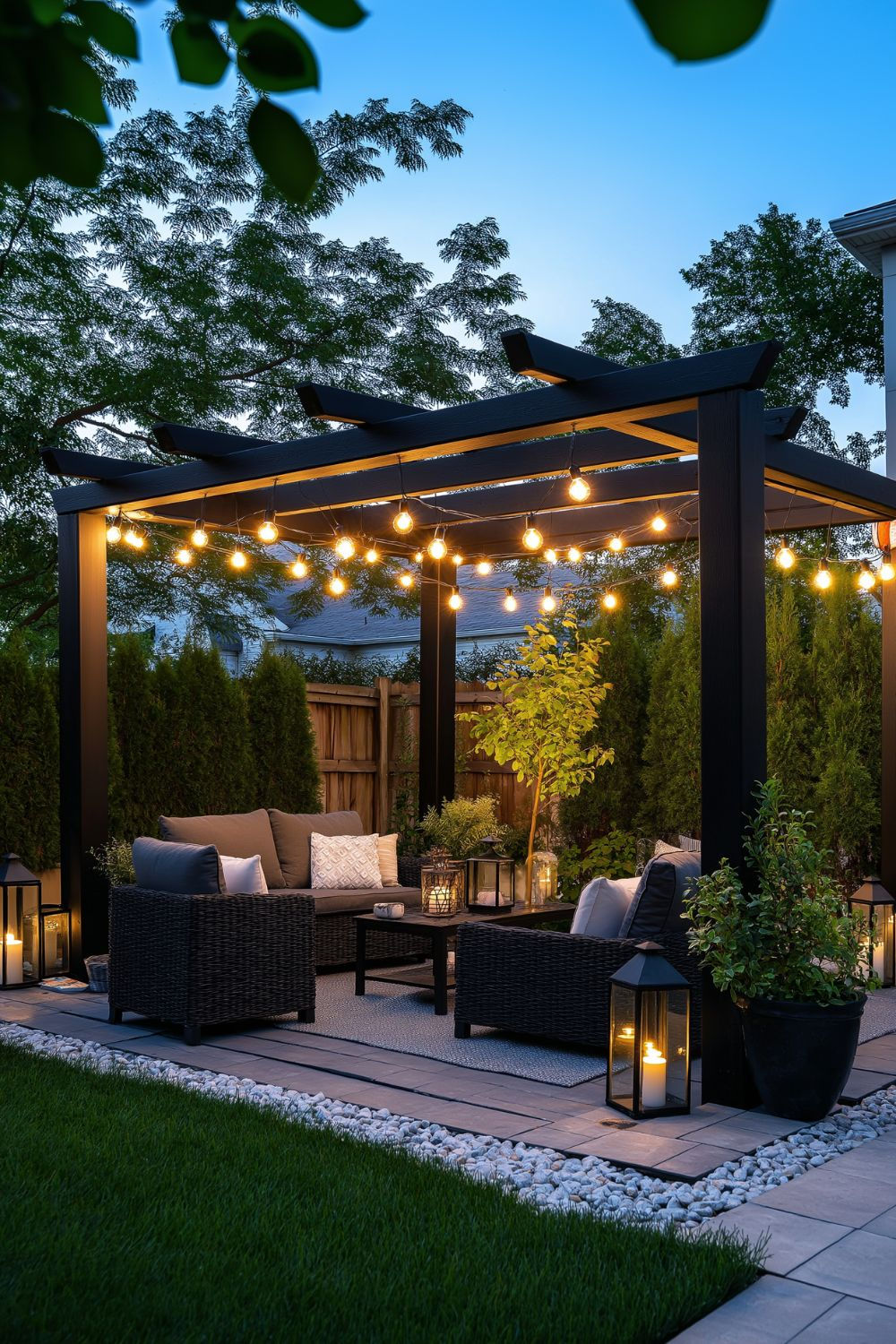
The backyard that changed how I think about outdoor space wasn’t mine — it was my old coworker Dana’s, a fairly normal quarter-acre lot that she and her husband spent three years turning into something that looked like a boutique hotel courtyard.
No pool, no massive budget reveal, just a linear fire feature, one really good pergola, and lighting that was actually designed instead of just clipped onto the fence.
It taught me that luxury backyard design isn’t really about spending the most money — it’s about spending it on the two or three things that change how the space feels, instead of a little bit on everything.
That’s the lens I want to bring to this list, because most “luxury backyard” content is just photos of infinity pools with zero acknowledgment that most of us are working with a normal suburban lot and a real budget ceiling.
I’ve tried to include the full range here — the true splurge features alongside the ones that get you 80% of the luxury look for a fraction of the cost — because a luxury garden design doesn’t have to mean a five-figure hardscaping bill to actually look and feel high-end.
I’ve grouped these into hardscaping and structural features, water and fire elements, outdoor living and entertaining spaces, lighting design, planting and landscaping, and a handful of specialty luxury touches that are smaller investments but do a lot of visual work.
If you’re planning a full backyard renovation or just picking off one or two upgrades a year, there should be something in here at your actual budget level.
Luxury Hardscaping & Structural Backyard Features

Hardscaping is where a lot of the real luxury backyard budget goes, and it’s also where the biggest gap shows up between a design that looks expensive and one that just is expensive without looking intentional.
1. The Multi-Level Terraced Garden
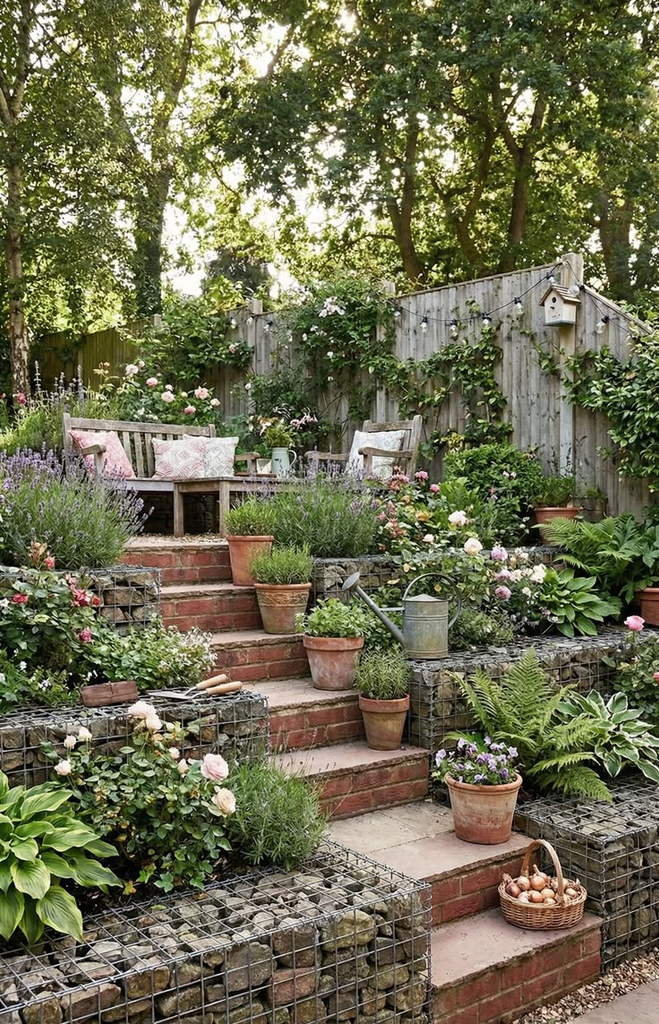
Terracing a sloped or even a flat backyard into distinct levels — a dining terrace, a lounge level, a lower garden bed area — is one of the layouts that most consistently reads as high-end, because it mimics the kind of spatial planning you’d see in a professionally landscaped estate rather than a flat, single-use yard.
It’s also one of the more expensive structural changes on this list, since retaining walls and proper drainage between levels aren’t optional once you start changing grade.
2. The Custom Pergola or Cabana Structure

A well-built pergola — real cedar or steel, not a big-box kit — with a retractable canopy or built-in string lighting does more to make a backyard feel like a designed space than almost any single-purchase item, since it defines a “room” outdoors the way walls do indoors.
My neighbor Renata went with a motorized louvered roof pergola instead of a fixed one, and she said the ability to close it during a surprise rainstorm made the extra cost worth it within the first season.
Pro tip: A pergola with nothing planted to climb it or nothing hung from it reads as unfinished no matter how nice the structure is. Budget for climbing vines (wisteria or a fast climbing rose) or at minimum a proper outdoor curtain track from day one — it’s the detail that separates a “we bought a pergola” yard from a designed one.
3. The Natural Stone Patio or Walkway
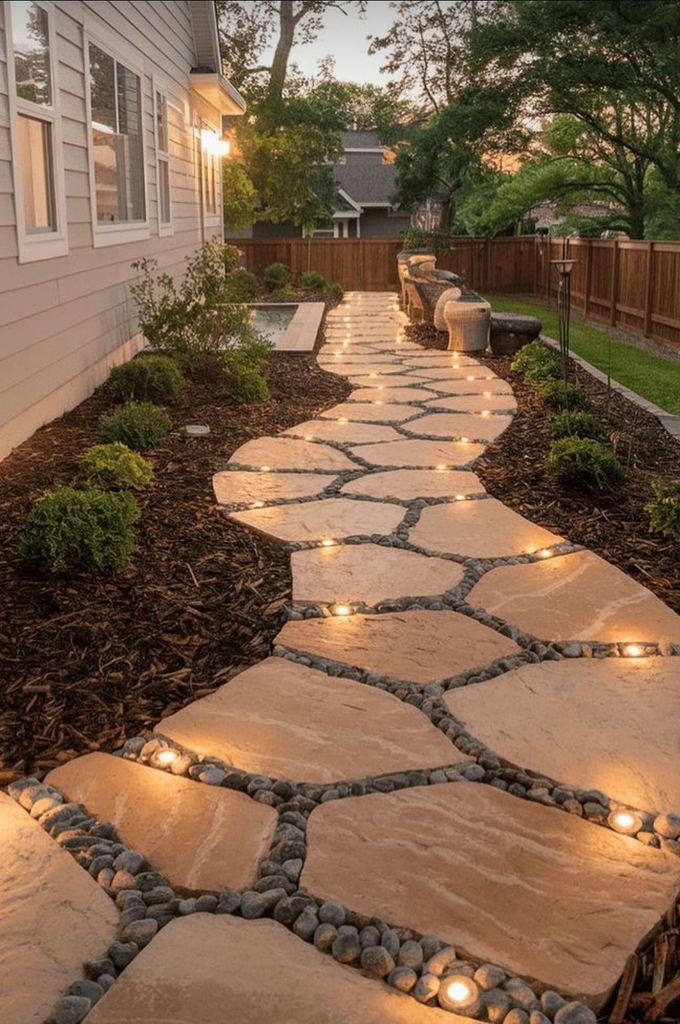
Swapping poured concrete for natural stone — flagstone, travertine, or bluestone — is one of the clearest visual signals of a luxury garden design, mostly because of the irregular, organic edges that concrete pavers can’t replicate no matter how good the pattern is.
It costs meaningfully more per square foot than stamped concrete, but it’s also one of the few hardscape choices that tends to increase resale value rather than just personal enjoyment.
4. The Sunken Garden or Conversation Pit

A sunken seating area, built a step or two below the main yard level with built-in bench seating around a fire feature, creates an intimate, wind-sheltered space that a flat yard with furniture placed on top of it can’t replicate.
It’s a serious structural project — you’re essentially excavating and building retaining walls — so this is one I’d only recommend if you’re already doing a full backyard renovation rather than a standalone add-on.
5. The Custom Outdoor Staircase

In any yard with real grade change, a well-designed staircase — wide, shallow steps with integrated lighting and stone or wood treads matching the rest of the hardscape — turns a purely functional element into a design feature.
Skimping here is a mistake I see constantly: a narrow, steep utility staircase tacked onto an otherwise beautiful terraced yard undercuts the whole design in a way that’s hard to unsee once you notice it.
Water & Fire Features for Luxury Backyards
Water and fire are the two elements that consistently show up in high-end backyard and garden design because they add movement and sound, which static hardscaping and planting can’t provide on their own.
6. The Linear Fire Feature
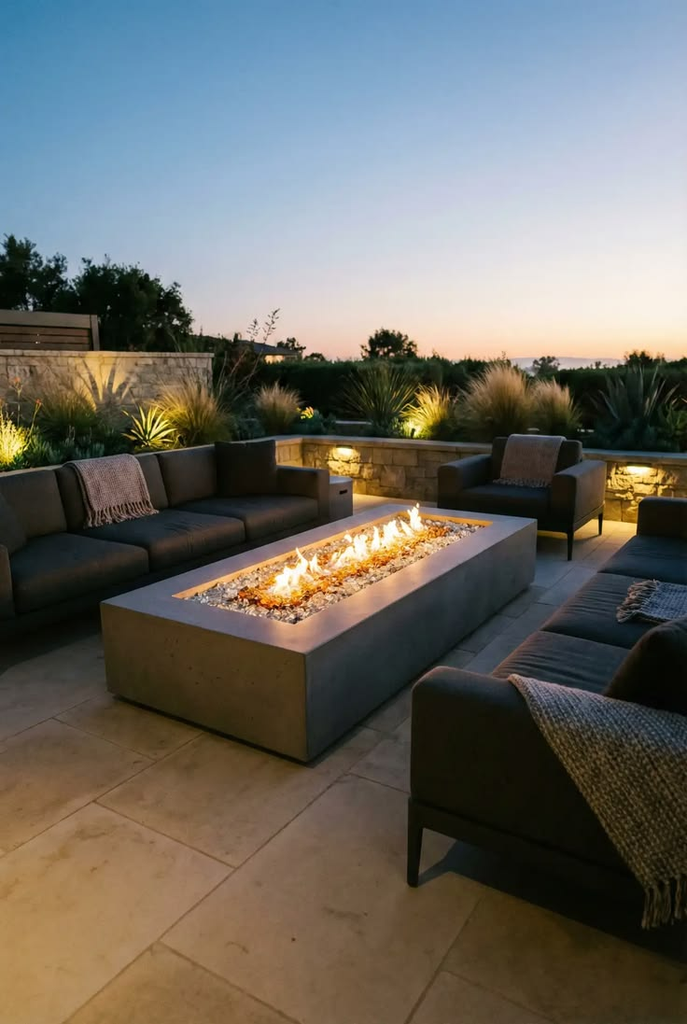
A long, linear gas fire trough — built into a low wall, a fire table, or the edge of a patio — reads as more contemporary and considered than a traditional round fire pit, and it’s become one of the defining features of modern luxury garden design over the last several years.
I’ve seen this specific style pick up serious traction on my own Pinterest board, particularly the version built into a concrete bench seat rather than a standalone unit.
7. The Infinity-Edge or Vanishing-Edge Pool
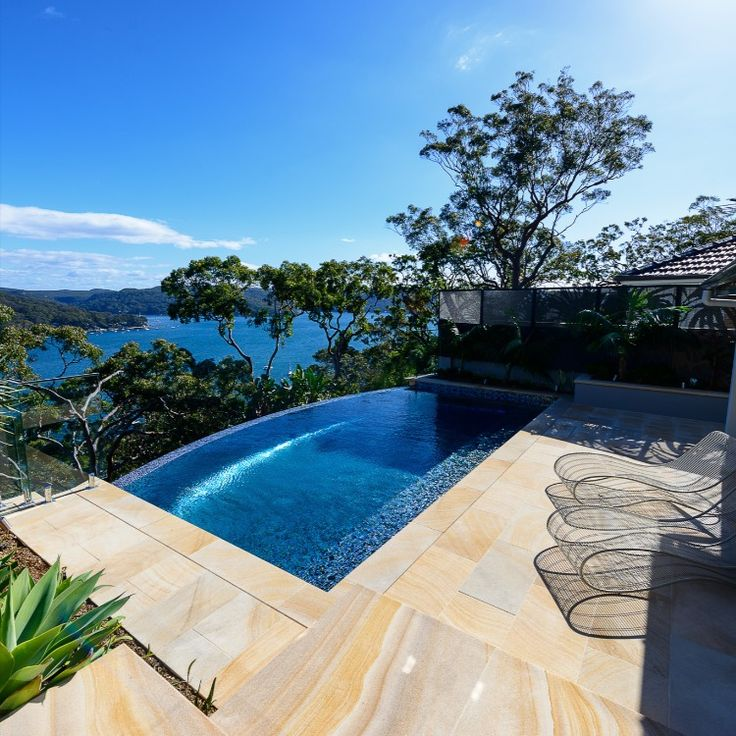
This is the feature most people picture when they hear “luxury backyard,” and for good reason — the visual effect of water appearing to disappear into the horizon requires real engineering (a catch basin and pump system below the visible edge), which is exactly why it costs significantly more than a standard pool with the same footprint.
It only makes real visual sense on a lot with an actual view or slope to disappear into; on a flat, fenced-in suburban lot, the effect is muted enough that the extra cost is hard to justify.
8. The Natural or Rock-Edge Pool
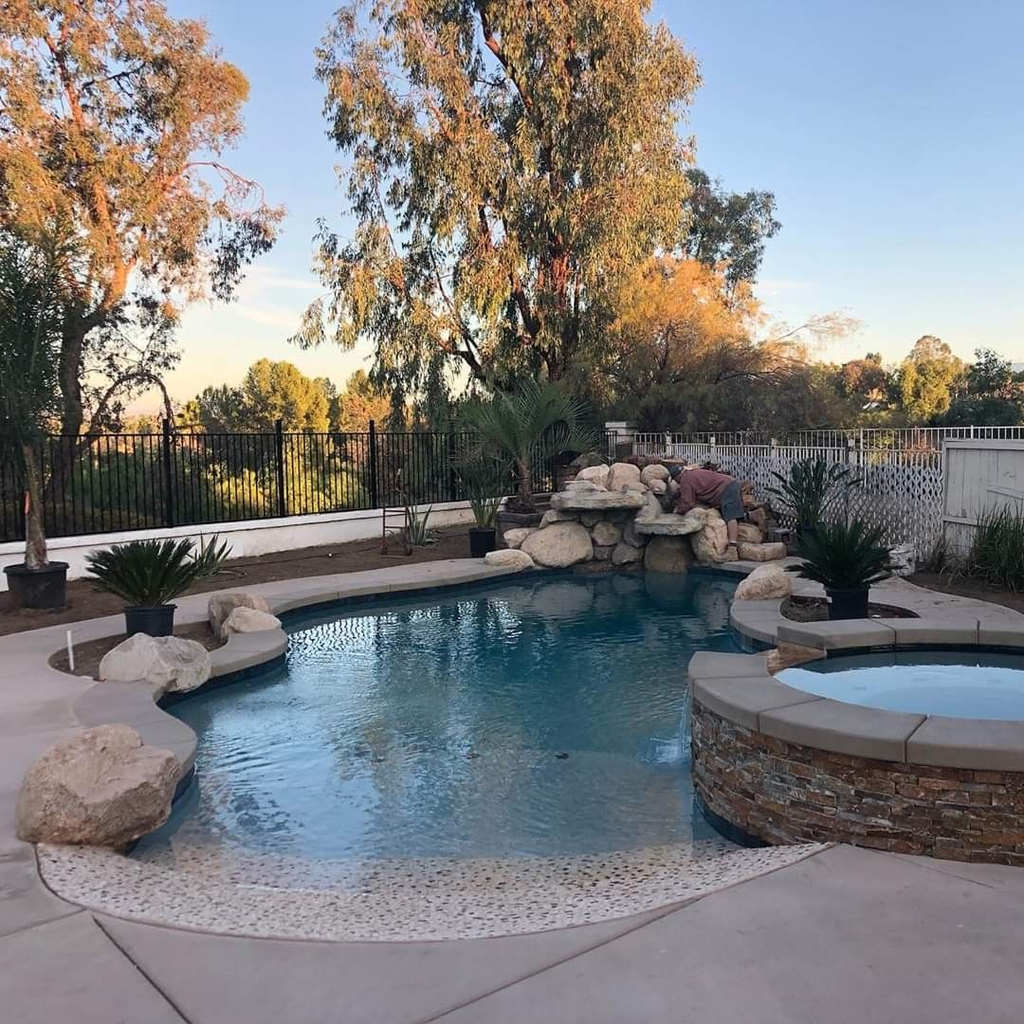
An alternative to the sharp geometric pool, a naturalistic pool with rock edging, a beach entry, and planting right up to the waterline blurs the line between the pool and the surrounding garden rather than treating it as a separate structure.
This style tends to integrate better with a heavily planted, garden-forward yard than a stark rectangular pool does, though the rock and boulder work adds real cost on top of the pool itself.
9. The Reflecting Pool or Water Feature Wall
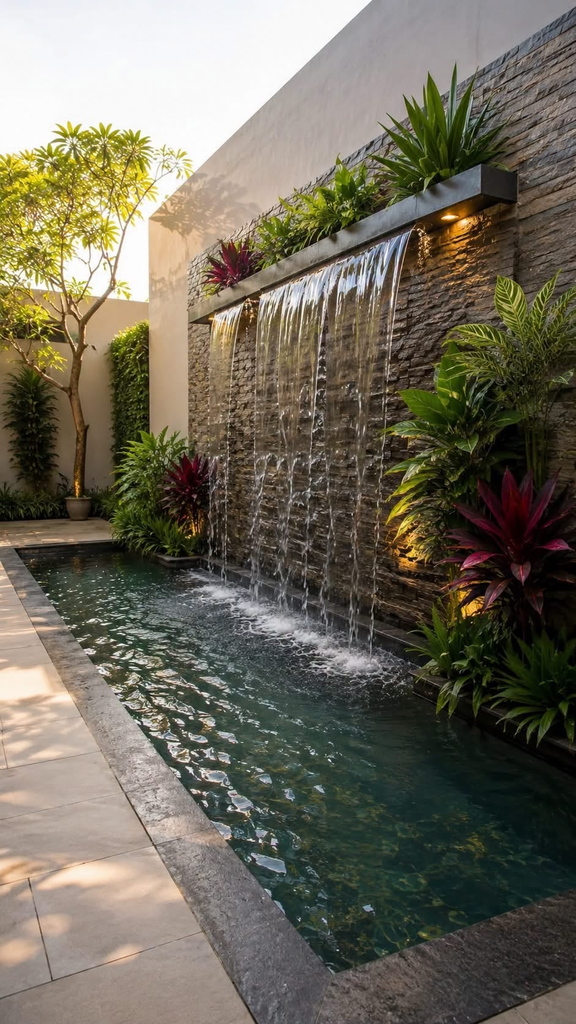
For yards without the space or budget for a full pool, a shallow reflecting pool or a vertical water feature wall gives you the sound and visual calm of water at a fraction of the footprint and cost.
This is genuinely one of the better luxury garden design ideas for a smaller backyard, since it doesn’t compete for space with seating or planting the way a full pool does.
10. The Built-In Spa or Hot Tub Integrated Into Hardscape
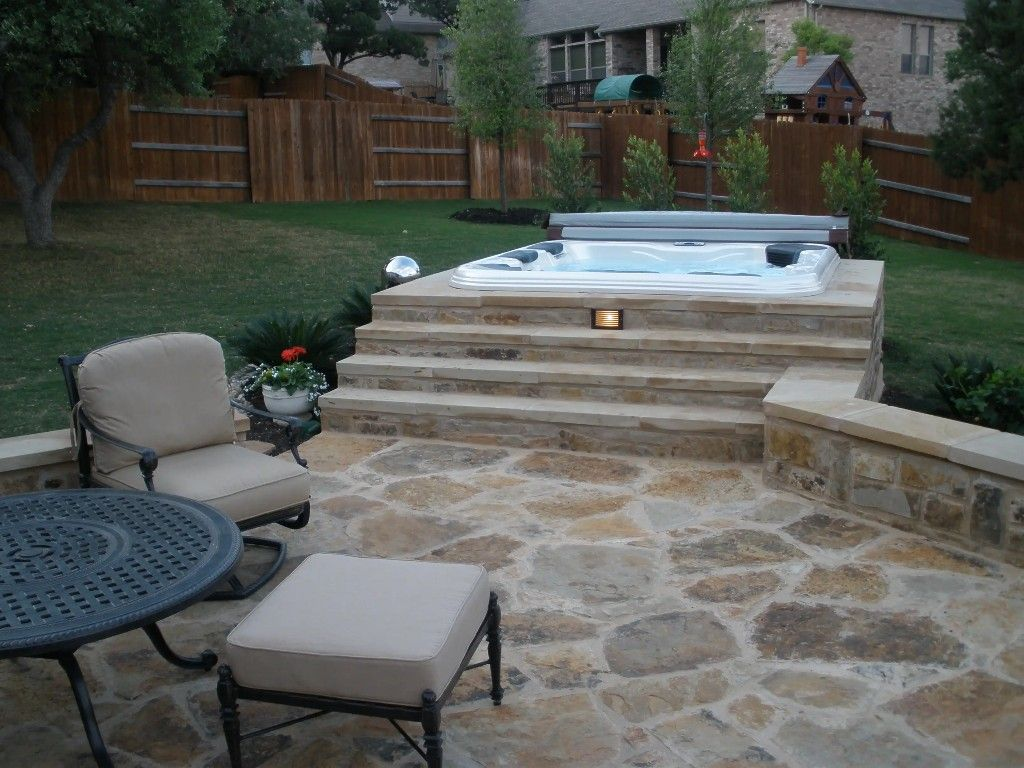
Rather than a standalone above-ground hot tub, sinking a spa into the patio hardscape with matching tile or stone surrounding it (and ideally a connected pool if the budget allows) removes the “backyard appliance” look that a boxy, elevated hot tub almost always has.
It costs more than a portable spa, obviously, but it’s one of the upgrades that ages the best — a standalone hot tub reads dated within a decade in a way an integrated one doesn’t.
| Feature Category | Typical Cost Range | Visual Impact | Best For |
|---|---|---|---|
| Custom pergola/cabana | $5,000–25,000 | High | Defining an outdoor “room” |
| Natural stone patio | $25–45/sq ft installed | High | Long-term resale value |
| Linear fire feature | $3,000–12,000 | High | Contemporary, modern yards |
| Infinity/vanishing-edge pool | $75,000–150,000+ | Very high | Sloped lots with a view |
| Reflecting pool/water wall | $2,000–10,000 | Moderate–high | Smaller yards, budget-conscious luxury |
| Outdoor kitchen (full build) | $15,000–50,000+ | High | Frequent outdoor entertaining |
| Landscape lighting design | $3,000–15,000 | High (often underrated) | Every yard, honestly |
Outdoor Living & Entertaining Spaces
The biggest shift in luxury backyard design over the past several years has been treating the outdoor space as genuinely livable square footage, not just a patio with a grill on it.
11. The Full Outdoor Kitchen

A real outdoor kitchen — built-in grill, counter space, a sink, ideally a small fridge and storage — functions as an actual second kitchen rather than a grill station, and it’s one of the features that gets used constantly if you entertain even semi-regularly.
The mistake I see people make is under-building the counter space; an outdoor kitchen with nowhere to actually prep or set down food ends up functioning like a slightly nicer grill anyway.
12. The Outdoor Living Room
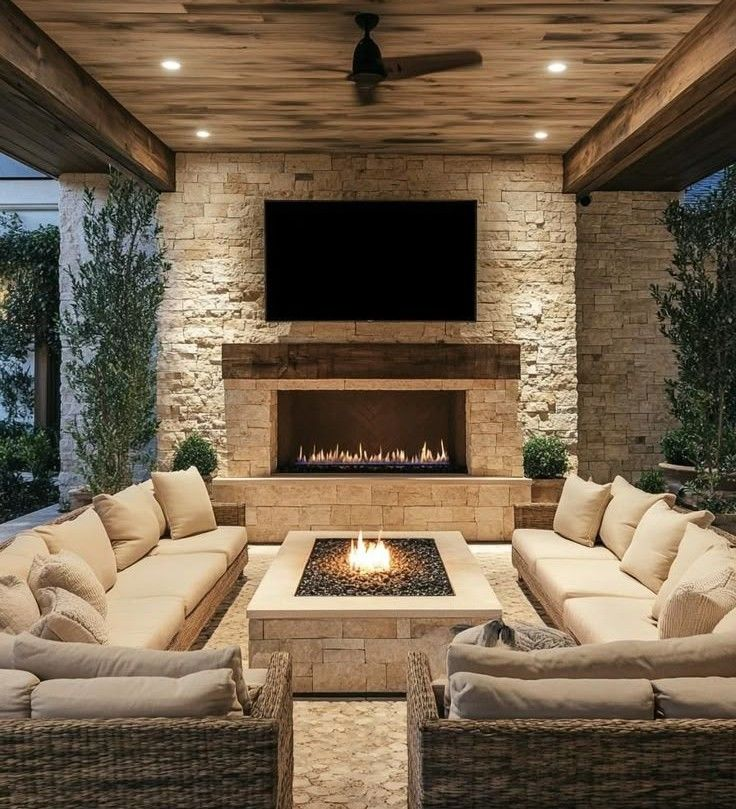
A fully furnished seating area with weatherproof sofas, a coffee table, an area rug rated for outdoor use, and often a TV or fireplace, designed with the same intention as an indoor living room rather than “patio furniture arranged in a square.”
This is where the luxury feeling really comes from in a lot of high-end backyards — the space is designed to be lived in, not just occasionally sat in.
13. The Outdoor Dining Pavilion
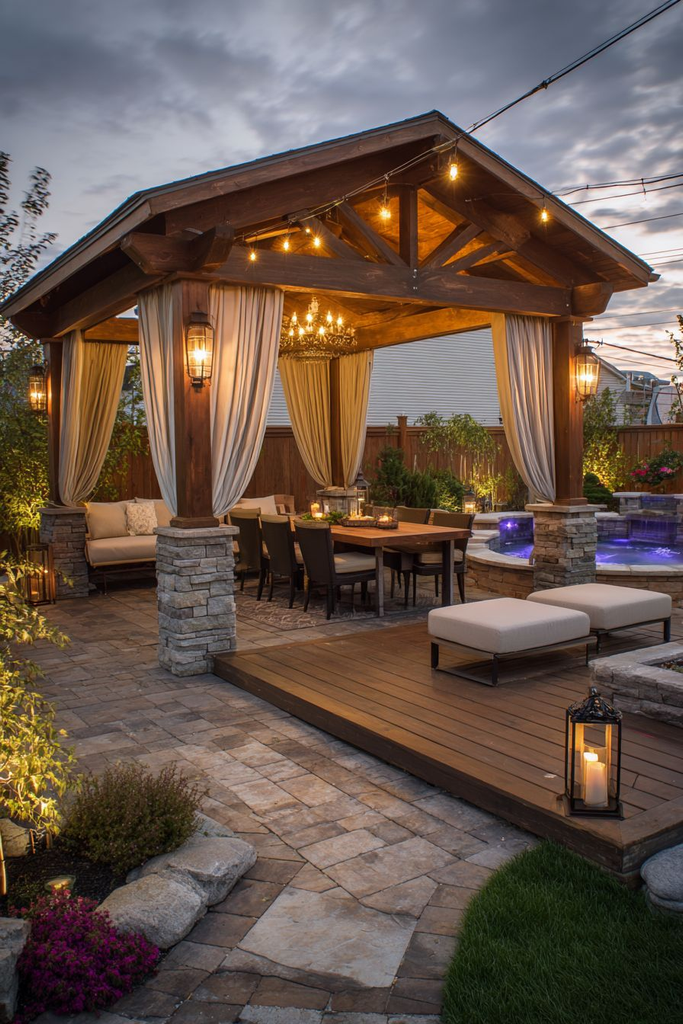
A dedicated, often partially enclosed dining structure — separate from the main house, sometimes with its own roof and lighting — turns backyard dinners into an actual destination rather than a folding table dragged onto the patio.
This is a bigger structural investment, closer to building a small addition than adding furniture, so it’s usually one of the later additions in a phased backyard renovation.
14. The Home Bar or Outdoor Wet Bar
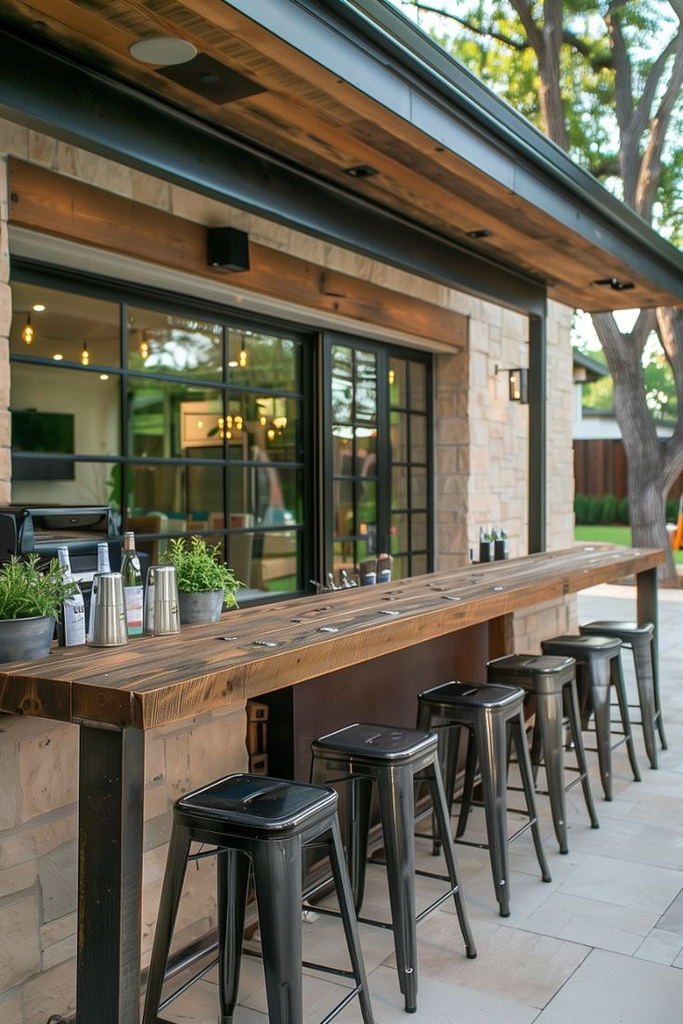
A built-in bar area with a small fridge, ice maker, and proper counter and stool seating is a smaller-footprint luxury addition than a full kitchen but does a lot for how a space functions during actual entertaining.
A reader once mentioned in a comment that she prioritized the wet bar over the full outdoor kitchen specifically because most of her entertaining is drinks and appetizers rather than full dinners — worth actually thinking through your entertaining style before defaulting to the bigger build.
15. The Poolside Cabana or Guest Suite

For yards with the space and budget, a small enclosed structure near the pool — functioning as a changing room, a guest suite, or just additional covered lounge space — is one of the clearest “we’re not doing this halfway” signals in a luxury backyard design. It’s essentially a small second structure, so budget and permitting both scale accordingly.
Landscape Lighting for Luxury Gardens
This is the category I think is the single most underrated line item in luxury backyard design, and I say that as someone who put off proper lighting for two years and regretted every month of it.
16. Layered Landscape Lighting Design
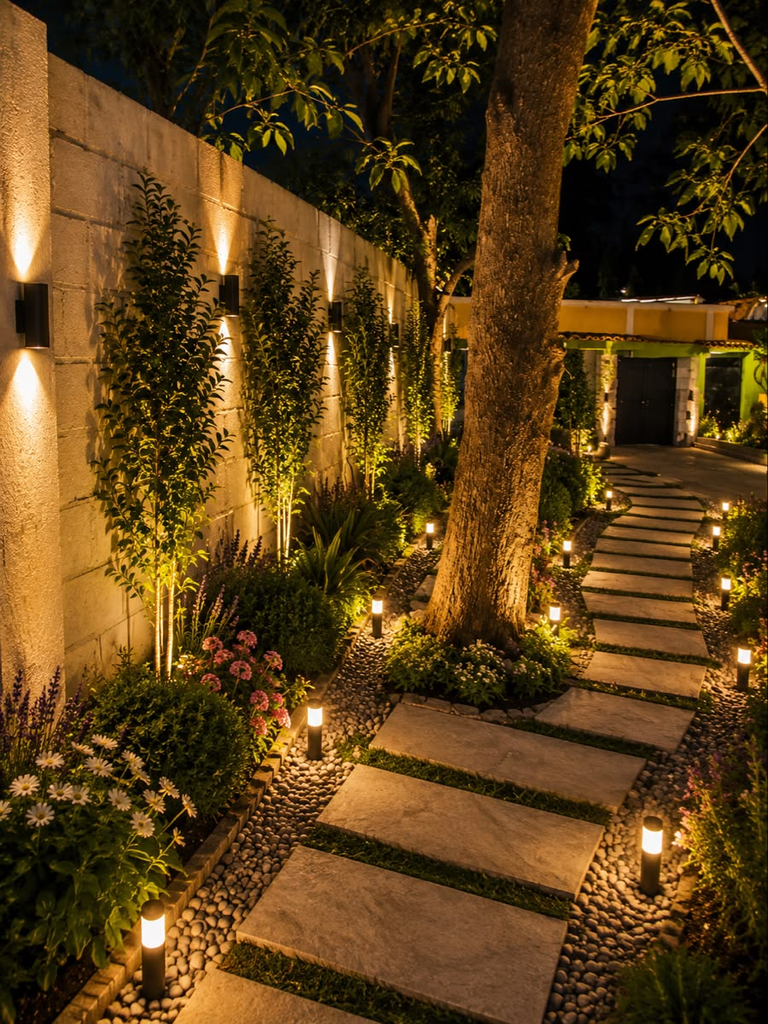
Rather than a few solar path lights, a properly layered lighting plan — uplighting on trees, path lighting, step lighting, and accent lighting on architectural features — extends how much the space actually gets used, since most entertaining and relaxing in a backyard happens after the sun goes down anyway.
This is genuinely the upgrade I’d tell someone to prioritize over a bigger, flashier feature if the budget forces a choice, because a beautifully hardscaped yard that goes completely dark at 8pm loses most of its impact.
Pro tip: Warm white lighting (2700K–3000K) reads as luxury and inviting; cooler white lighting (4000K+) reads as commercial or clinical outdoors almost every time, even though the same temperature might look fine indoors. This is the single most common lighting mistake I see in otherwise well-designed backyards.
17. Fire and Water Feature Lighting Integration
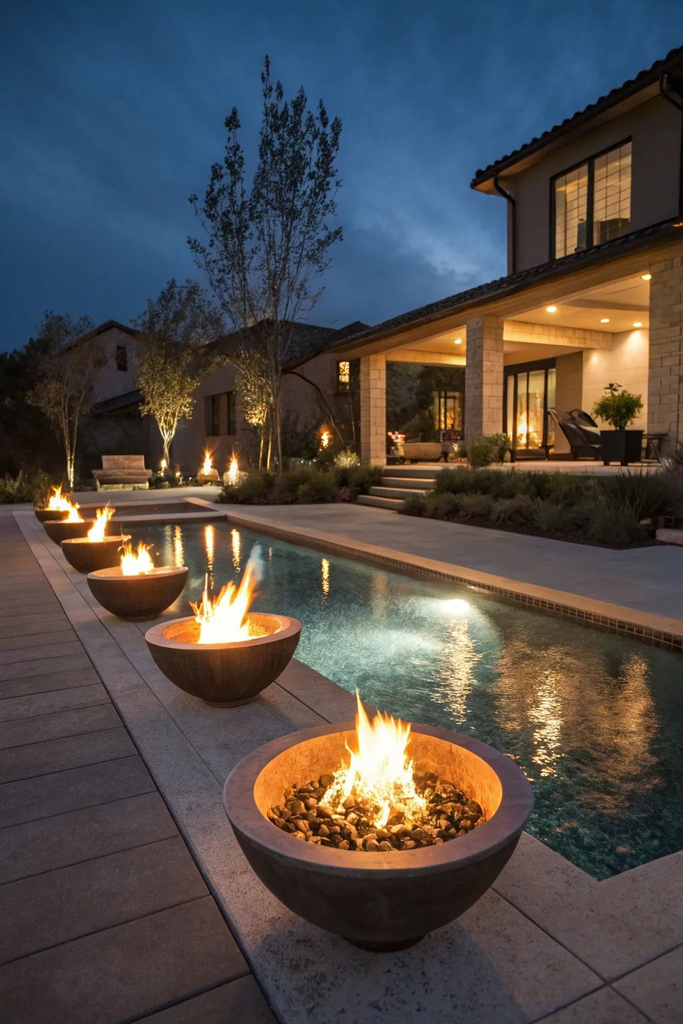
Lighting specifically designed around your fire and water features — underwater pool lighting, uplighting on a water feature wall, integrated lighting in a linear fire trough’s surrounding wall — makes those features function at night the way they’re designed to during the day, rather than going dark and losing their visual purpose once the sun sets.
18. Smart-Controlled Landscape Lighting

App or voice-controlled lighting zones let you adjust brightness, color temperature, and which zones are active depending on the occasion — dimmer and warmer for a quiet dinner, brighter for a larger gathering — without physically adjusting individual fixtures.
It’s a meaningful cost add-on over standard wired lighting, but it’s one of the smaller luxury upgrades relative to its actual day-to-day impact.
Luxury Planting & Landscaping Design
Hardscaping and features get most of the budget conversation, but the planting design is what actually softens all of it and keeps a backyard from reading as a showroom.
19. The Mature Specimen Tree Investment
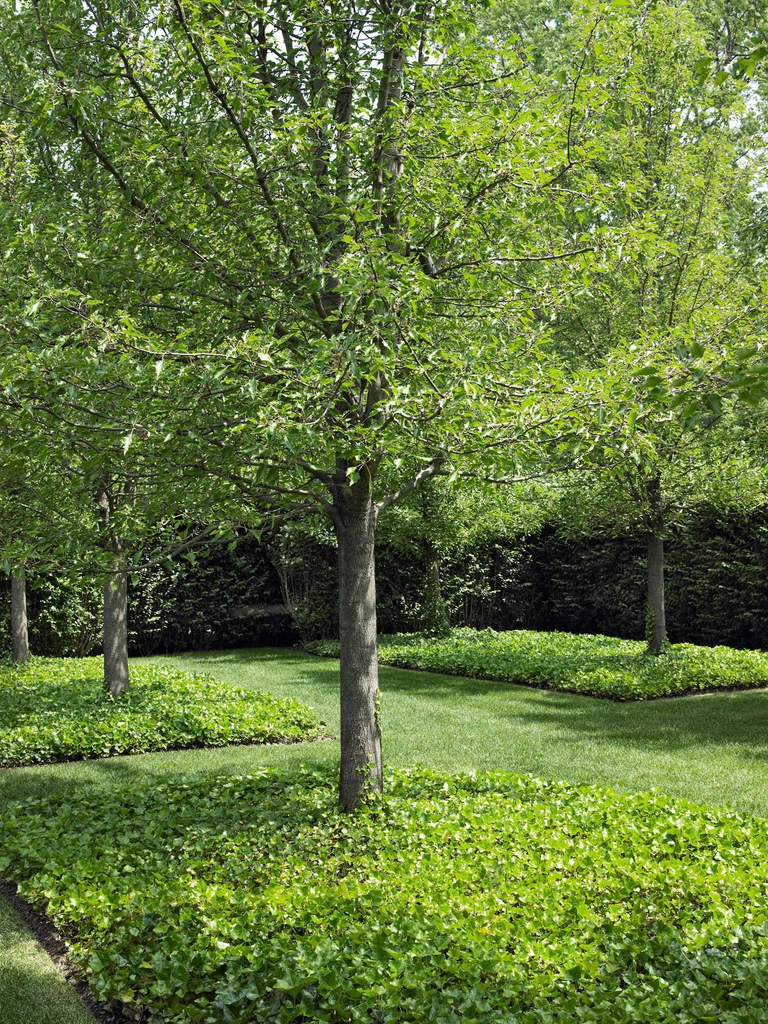
Rather than planting small, inexpensive saplings and waiting a decade for impact, installing one or two large, mature specimen trees (often craned in, depending on size) gives an otherwise new landscape an immediate sense of establishment that nothing else can fake.
It’s a genuinely significant cost for a single tree, but designers use this trick constantly because it’s the fastest way to make a brand-new yard feel like it’s been there for years.
20. The Formal Boxwood or Structured Hedge Garden

Clipped boxwood hedges, geometric parterres, or a structured, symmetrical planting layout reads as classic luxury garden design and works especially well framing a pool, a fire feature, or a formal entry path.
The ongoing maintenance is the real cost here — this style needs regular professional shaping to hold its look, and a neglected formal hedge garden looks worse, not just less tidy, than an informal one that’s been left alone.
21. The Cutting Garden or Kitchen Garden Addition

A dedicated, well-designed vegetable or cutting garden — often walled or fenced off from the rest of the yard with its own gate — adds a working, productive element to an otherwise purely decorative luxury landscape, and it’s a detail that reads as intentional rather than an afterthought when it’s designed with the same care as the ornamental beds.
This is one of the more affordable additions on this list relative to its visual and functional payoff.
Specialty Luxury Backyard Touches
These are smaller investments than the structural items above, but they’re often the details that make a designed backyard feel finished rather than assembled.
22. The Outdoor Art or Water Feature Sculpture
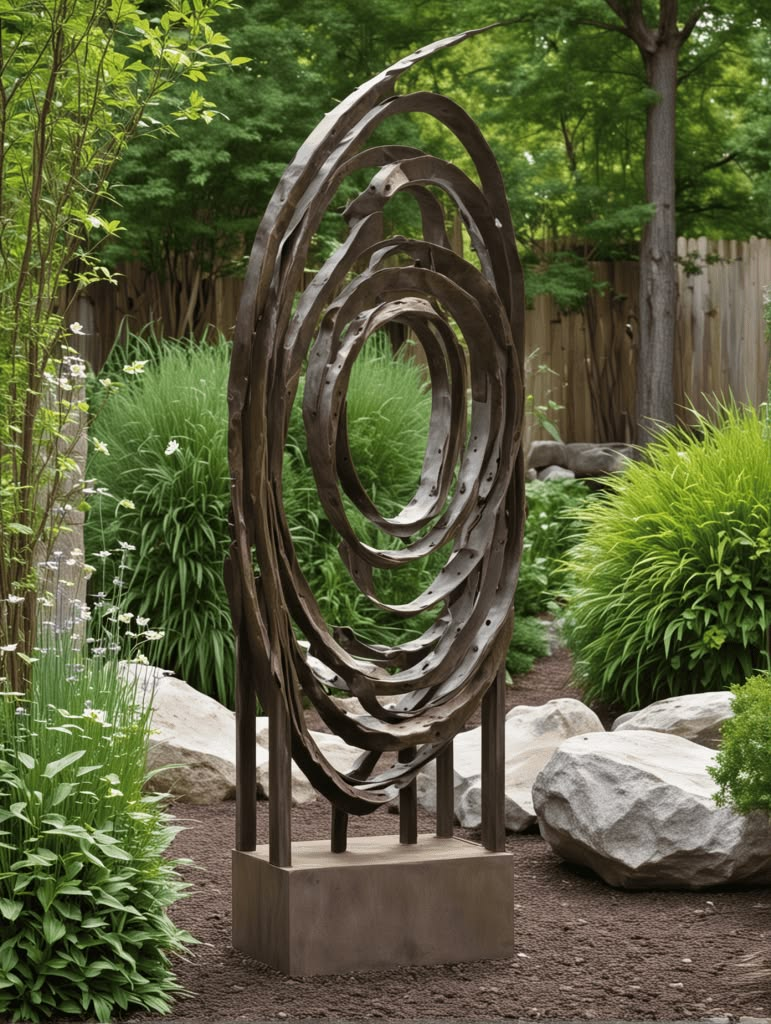
A single well-chosen sculptural piece or a custom water feature designed as art rather than a standard fountain acts as a focal point the way a piece of art does inside a home, and it’s one of the lowest-cost ways to make a backyard feel curated rather than purchased off a landscaping company’s standard package list.
I’d rather see one genuinely good piece than several mismatched decorative items scattered around a yard — it’s the same “quality over quantity” logic that applies to indoor decor, just outdoors.
What Luxury Backyard Design Actually Costs
Realistically, a full luxury backyard renovation touching most of the categories above lands anywhere from $75,000 on the lower end (skipping the pool, focusing on hardscape, lighting, and one or two features) to well over $300,000 for a full pool, outdoor kitchen, pergola, and mature landscaping done all at once. If that number is a non-starter, the phased approach almost every designer actually recommends is: lighting and hardscape first (they affect literally everything else you add later), then one major feature (fire or water) as budget allows, then furnishing and planting last. Trying to do everything in one summer is how people end up with a yard that looks expensive in patches and unfinished everywhere else.
Where I’d Start
If I had to pick one place to put the first real chunk of a backyard budget, it wouldn’t be the pool everyone assumes — it would be lighting and one well-built structure, either a real pergola or a linear fire feature.
Those two things change how much you actually use the space and how it feels at night, which is when most people are actually out there.
Everything else on this list is genuinely worth having if the budget stretches that far, but a beautifully lit yard with one great feature will get more real use than a yard with five half-finished luxury additions and nowhere comfortable to sit after dark.


Leave a Reply