
I bought a house with a “garden” three years ago that was really just a rectangle of dead grass and one very confused rose bush that someone had planted directly against the foundation. I didn’t know anything about plants.
I definitely didn’t know that the rose bush was slowly cracking my basement wall. I’ve since fixed both problems, made a bunch of expensive mistakes, and talked to enough neighbors and garden-center employees to have opinions now — strong ones.
So this isn’t a “here are 24 pretty pictures” post. It’s the stuff I wish someone had told me before I spent $340 on raised garden beds that were the wrong size for my yard (more on that below). If you’re working with a full backyard, a tiny front strip, or a rental garden you’re not allowed to touch permanently, there’s something in here for you.
I’ve grouped these house with garden ideas by situation — small space, budget, low-maintenance, and the bigger “make it feel like a real outdoor room” projects — because “24 garden ideas” thrown at you in random order isn’t actually useful when you’re standing in your own yard trying to figure out where to start.
Small-Space & Rental-Friendly Garden Ideas
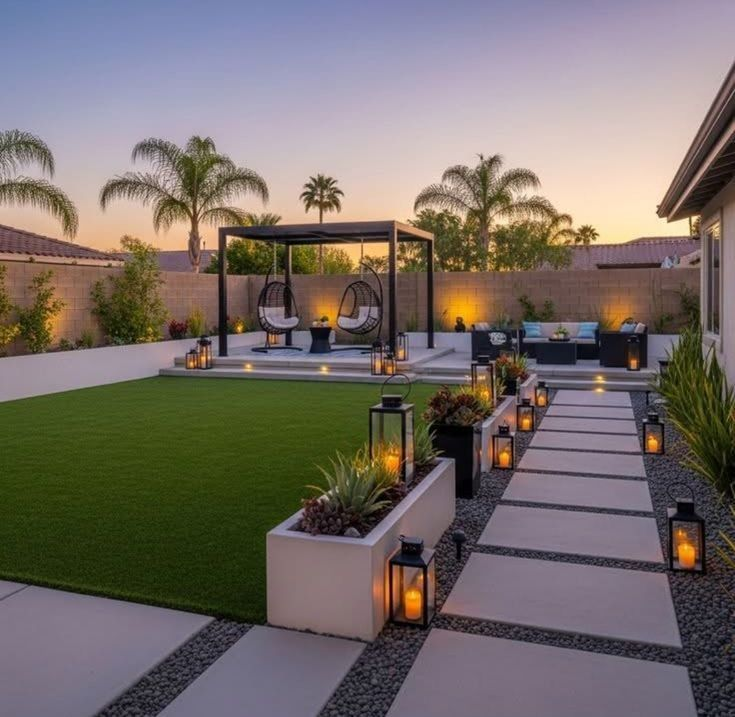
If your outside space is a balcony, a strip along a driveway, or a yard you’re not allowed to dig up, start here.
1. Container gardens grouped in odd numbers, not lined up in a row

This sounds like a small styling detail but it changes everything about how “designed” a space looks. My neighbor Priya lined six identical pots along her porch rail and it looked like a hardware store display.
She regrouped them into clusters of three and five, mixed heights using cheap plant stands, and suddenly it read like an actual garden instead of storage.
Pro tip: Buy one size up on pots than you think you need. Plants in small containers dry out fast in summer heat and you’ll be watering twice a day by July.
2. A vertical pallet garden for herbs
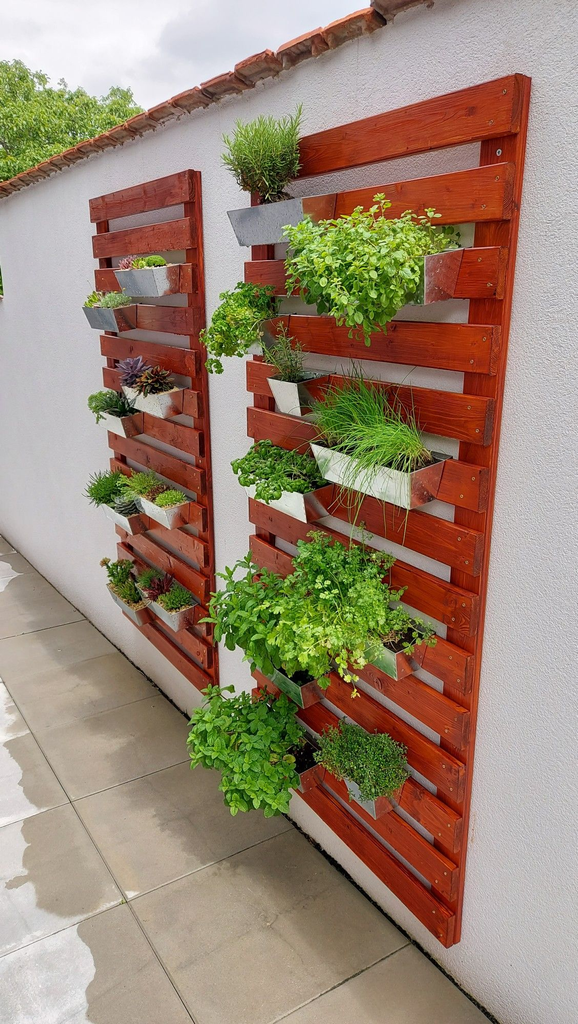
You can build one of these for under $30 if you source the pallet free (check local “buy nothing” groups — people give these away constantly).
Line the back and slats with landscape fabric, staple it, fill with potting soil, and plant herbs in the gaps. Basil and mint do great; rosemary struggles because it wants better drainage than a pallet pocket gives it.
3. A single statement tree in a large pot
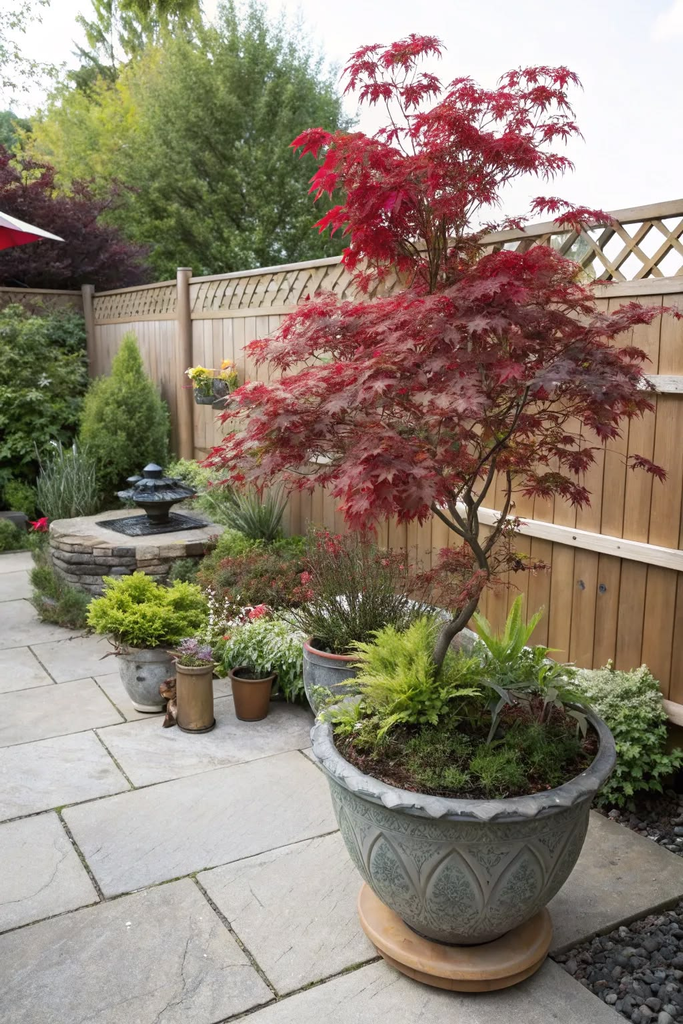
One well-chosen potted Japanese maple or dwarf citrus does more for a small patio than a dozen smaller plants scattered around.
It’s also the one item worth spending real money on — a decent 3-gallon Japanese maple runs $60-120, but it’s the thing people actually notice.
4. Hanging baskets at staggered heights

Not just one row at eye level. Use S-hooks to hang them at three different heights off a pergola or porch overhang. It fills vertical space that’s otherwise just air, which matters when your square footage is limited.
Pro tip: Self-watering hanging baskets cost maybe $8 more than the basic ones and are worth every cent if you travel or just forget things (I forget things).
Budget-Friendly Garden Ideas
None of these require a landscaper.
5. Mulch beds instead of grass in awkward corners

That weird triangle of yard where your mower can’t turn properly, or the strip next to the fence that never gets enough sun for grass to survive — stop fighting it.
A few bags of mulch and some drought-tolerant groundcover (creeping thyme, sedum) will look intentional instead of neglected, and it’s maybe $40 in materials for a small area.
6. Free plant divisions from neighbors

Hostas, daylilies, and ornamental grasses need dividing every few years or they get overcrowded, which means someone on your street is probably trying to get rid of extras every spring. I’ve never paid for a hosta in my life.
Ask before you assume, obviously, but most gardeners are thrilled someone wants their extras instead of composting them.
7. Raised beds sized to standard lumber, not Pinterest photos

This is the mistake I mentioned earlier — I ordered a “trendy” raised bed kit that was 3 feet by 6 feet because it looked good online, and it didn’t fit against my fence line without an awkward 8-inch gap.
If you’re building your own, size beds to use full 2×8 or 2×10 boards without cutting (so 4×8 feet, or 4×4) — you’ll waste less lumber and it’s genuinely cheaper.
8. Gravel paths instead of poured concrete or pavers

A path from your back door to a seating area doesn’t need to be permanent hardscaping.
Landscape edging plus a few inches of pea gravel over landscape fabric costs a fraction of pavers and you can redo it in an afternoon if you change your mind about the layout later.
Pro tip: Skip the cheapest landscape fabric. The $8 roll degrades in about a year and you’ll have weeds pushing through gravel by the following summer — the $20 heavier-weight version actually lasts.
Low-Maintenance Garden Ideas
For people who want a garden that looks good without becoming a second job.
9. Native plant beds instead of imported ornamentals

Once native plants are established (usually the first year), they need almost no supplemental watering because they’re adapted to your regional rainfall.
My area’s extension office has a free list of natives by zone — most states have one, and it’s a better resource than guessing off a plant tag at a big-box store.
10. Ornamental grasses as your “backbone” planting
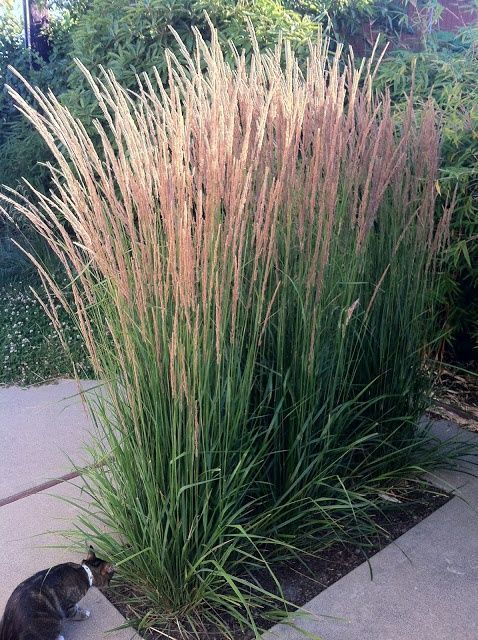
Grasses like feather reed grass or little bluestem look good from spring through winter (they don’t collapse into mush after the first frost like a lot of perennials do), and they need dividing maybe once every 4-5 years. Low effort, long payoff.
11. Drip irrigation on a $25 timer

This is the single upgrade that changed how much time I spend in my garden. A basic drip irrigation kit plus a battery-powered timer means beds get watered at 6am before I’m even awake, and I stopped losing plants to inconsistent watering.
It’s not glamorous but it’s the reason my garden survived last summer’s heat wave and my neighbor’s didn’t.
12. Groundcover instead of mulch that needs annual refreshing

Mulch looks great for about 8 months and then needs topping off. Creeping thyme, ajuga, or sedum spread to fill the same space and, once established, you’re not buying mulch bags every spring.
Comparing Garden Style Approaches
If you’re trying to decide what direction to take the whole yard, here’s roughly how the main styles stack up on effort and cost. This isn’t exhaustive, but it’s the framework I actually used when I was deciding what to do with mine.
| Garden Style | Upfront Cost | Ongoing Maintenance | Best For |
|---|---|---|---|
| Cottage garden | Moderate (lots of plant variety) | High — needs regular deadheading, dividing, staking | People who enjoy being out there weekly |
| Modern minimalist | High (hardscaping-heavy) | Low once installed | Busy households, resale value |
| Native/pollinator | Low-moderate | Low after year one establishment | Long-term homeowners, wildlife lovers |
| Xeriscape (gravel + drought-tolerant) | Moderate (gravel + edging) | Very low | Hot/dry climates, water restrictions |
| Vegetable/kitchen garden | Low-moderate | High during growing season | Anyone who actually wants to eat what they grow |
I ended up going roughly native/pollinator for the back beds and cottage-style for the small front bed near the porch where I actually want to fuss over things. You don’t have to pick just one — most real gardens are a blend.
“Make It Feel Like a Room” Garden Ideas
This is the category that turns a yard into somewhere you actually want to sit.
13. A defined seating area with a rug

An outdoor rug under a small bistro set does more visual work than the furniture itself — it defines the space as a “room” the way a rug does indoors. Get a synthetic one (polypropylene, not the natural-fiber ones) so rain doesn’t ruin it.
14. String lights on a dedicated circuit, not extension cords

If you’re going to use your garden in the evening at all, run actual outdoor-rated wiring or at minimum a weatherproof extension cord meant for outdoor use.
I used a regular indoor extension cord for one summer because I was being cheap and it degraded from UV exposure within a few months — had to replace it anyway, so I didn’t even save money.
15. A pergola or shade sail over the main seating spot

Full sun sounds nice until you’re trying to eat dinner outside in July. A pergola is a bigger investment (DIY kits start around $400-600 for a basic one), but a shade sail is a genuinely good budget alternative — $40-80 and you can put it up in an hour.
16. A small water feature for sound, not spectacle

You don’t need a pond. A $60 solar fountain in a large ceramic pot gives you the sound of moving water, which does more for how a space feels than almost anything else on this list, and it masks street noise if that’s an issue for you.
Pro tip: Solar fountains without a battery backup stop working the second a cloud rolls over. Spend the extra $15-20 for one with a small battery so it doesn’t cut out mid-conversation.
Front Yard & Curb Appeal Ideas
The part of the garden other people actually see.
17. Layered planting by height, tallest at the back

Basic design rule, constantly ignored: tall plants in back, medium in the middle, low/trailing in front, whether it’s a bed against your house or a freestanding island bed. It’s the single fastest fix for a front bed that looks “off” but you can’t say why.
18. A defined edge between lawn and beds

A clean edge — even just a spade-cut trench line, no material needed — makes a yard look maintained even when the plants themselves are unremarkable.
My realtor actually told me this before I sold my last place: buyers read edge definition as “this person takes care of their house” more than almost anything else outside.
19. House numbers or a small sign integrated into the front bed
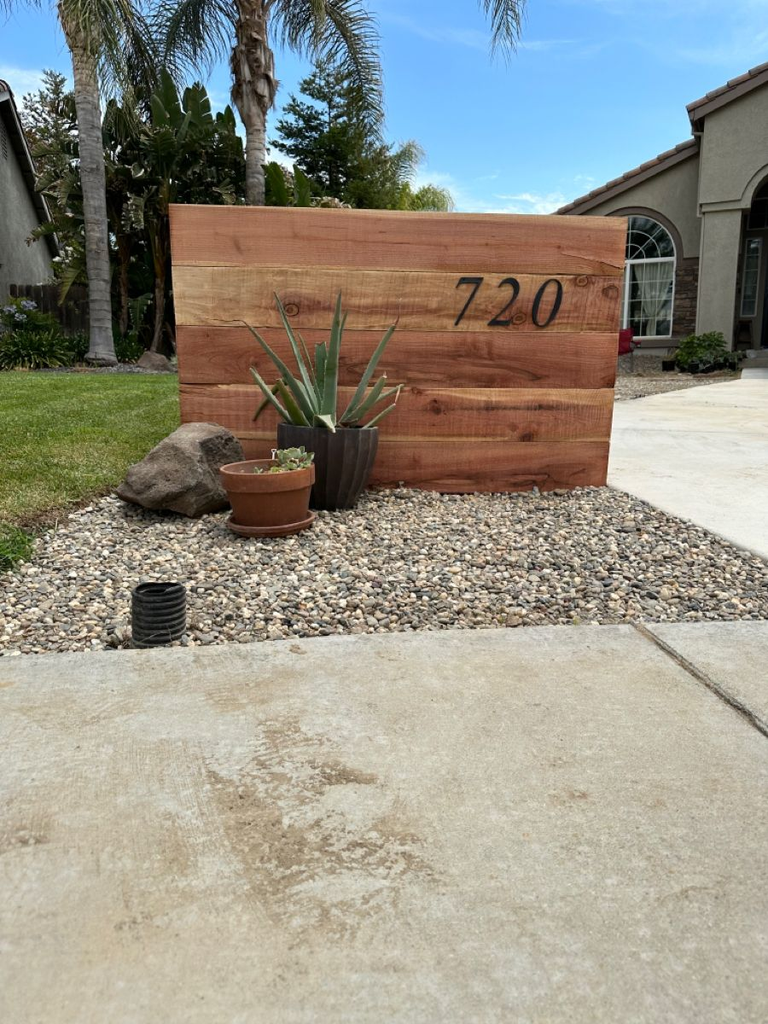
A small detail, but it photographs well and it’s a common request from delivery drivers who can’t find your address — genuinely useful, not just decorative.
20. Foundation planting that doesn’t touch the foundation

This is my rose bush lesson. Anything with aggressive roots (roses, some hydrangeas, most trees) should be planted at least 3 feet from your foundation.
Closer than that and you risk root damage to your foundation and moisture problems from reduced airflow behind the plant.
Kitchen & Vegetable Garden Ideas
21. A dedicated herb spiral or small raised bed near the kitchen door

Distance matters more than people think — if your herbs are a 90-second walk away, you use them a lot less than if they’re right outside the door you already walk through to cook.
22. Succession planting for continuous harvest

Instead of planting all your lettuce or radishes at once, plant a small amount every 2 weeks through the season. It’s a slightly more involved planning habit but it means you’re not drowning in 40 radishes one week and have none the next.
23. Companion planting to cut down on pest problems

Marigolds around tomatoes, basil near peppers — some of this is genuinely backed by pest research (marigolds do repel certain nematodes) and some is more folklore than science, but at minimum you’re not losing anything by interplanting, and the marigolds look good regardless.
24. A compost bin, even a small tumbling one

If you’re doing any of the above, a compost bin closes the loop and cuts down what you’re buying in bagged soil amendments over time.
A basic tumbling composter runs $60-100 and pays for itself within a season or two if you were previously buying bagged compost.
What This Actually Costs
If you want a rough sense of where your money should go: spend the least on things that are easy to change later (mulch, annual flowers, gravel paths) and the most on things that are expensive to redo (irrigation lines, hardscaping, trees).
I made the opposite mistake my first year — spent big on decorative pots I later didn’t like and cheaped out on irrigation, which meant replanting dead perennials twice before I fixed the actual problem.
Where I’d Start If I Were Doing This Over
Honestly? The drip irrigation timer. Before any plant purchase, before any hardscaping. Everything else on this list gets dramatically easier to maintain once watering isn’t something you have to remember to do manually, and it’s one of the cheapest items on here relative to how much time and money it saves you in dead plants.
Everything after that is just picking the version of “garden” that matches how much time you actually want to spend out there — and being honest with yourself about that number before you buy anything.


Leave a Reply