
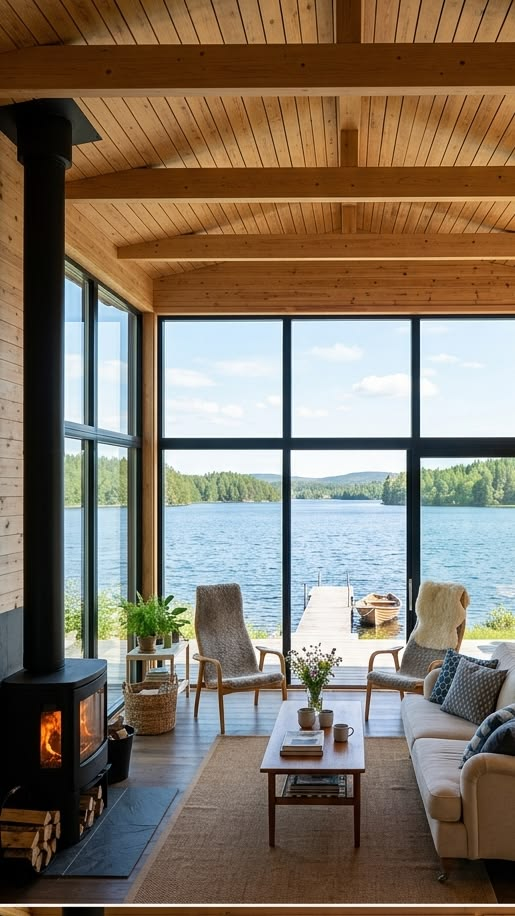
I ruined a white slipcovered sofa in about four months.
That’s the whole story, honestly — I bought it because it looked perfect in the “coastal lake house” Pinterest board I’d been building for a year, and it lasted exactly one summer of wet swimsuits, sunscreen, and a golden retriever named Biscuit before it looked like a crime scene.
That sofa taught me more about lake house decorating than any design blog ever did, which is why I’m writing this one differently than most.
If you’re decorating an actual lake house — one that gets used, not just photographed — you’re working with a specific set of problems nobody talks about enough. Humidity that warps wood.
Sun that bleaches fabric through the windows even when nobody’s swimming. A revolving door of house guests who leave wet towels on every surface.
Lake house decorating ideas that look good in a magazine and lake house decorating ideas that survive a July with twelve people in and out all weekend are sometimes the same thing, but not always, and I want to get into where they overlap and where they don’t.
This post covers the whole range — layout and color choices for the main living spaces, materials that actually take a beating well, small-lake-house tricks if you’re working with a cabin instead of a compound, and a few splurges that are genuinely worth it versus the ones that aren’t.
I’ll flag which ideas are budget-friendly, which ones need a weekend of real work, and which ones I’d skip if I were starting over. Let’s get into it.
1. Pick a Color Palette Based on Your Actual View, Not Pinterest
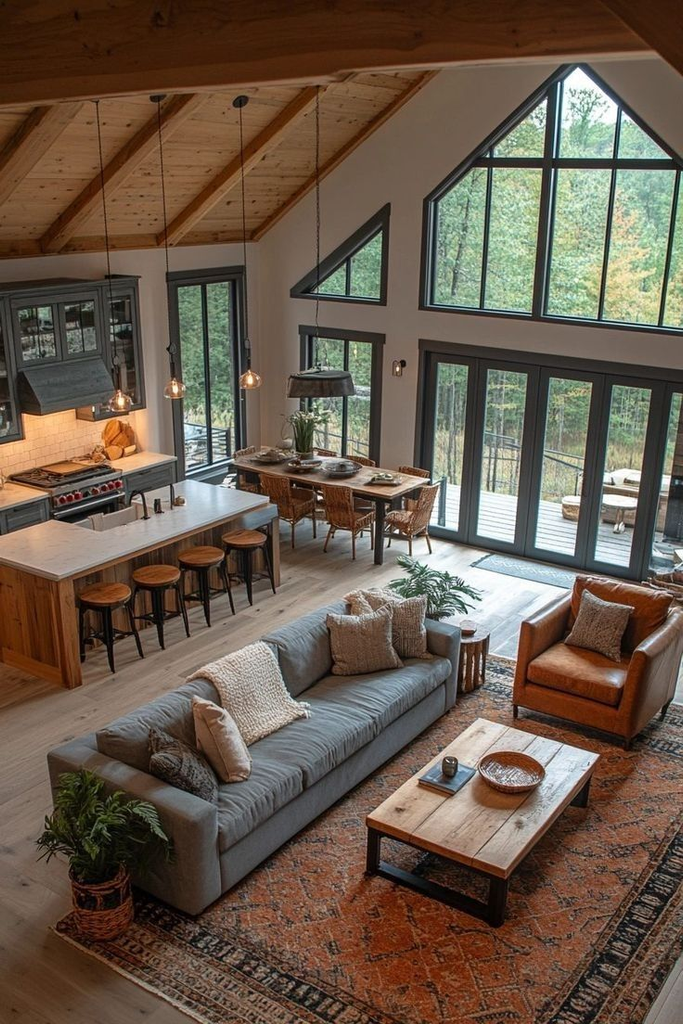
Here’s the mistake I see constantly: someone falls in love with a “moody blue lake house” palette online and brings it into a cabin surrounded by pine trees and brown water, and it just fights the setting instead of complementing it. Your lake house color palette should respond to what’s actually outside your windows.
If your lake is clear and blue, cooler tones — soft blues, sea glass green, driftwood gray — will feel connected to the view. If you’re on a lake with tannic, tea-colored water (a lot of lakes in the upper Midwest and New England are like this), warmer neutrals, ochre, and deep greens read as intentional instead of like you’re fighting the environment.
My cousin’s place on a lake in northern Wisconsin has water the color of strong tea, and she leaned into warm woods and mustard accents instead of trying to force a Nantucket blue-and-white thing, and it looks like it belongs there.
Pro tip: Take an actual photo of your view at midday and hold paint swatches up against your phone screen before you commit. Lake light shifts a lot more than people expect — a blue that looks perfect at 9am can look flat and gray by 3pm.
2. Choose Performance Fabrics for Every Upholstered Piece (Yes, Every One)
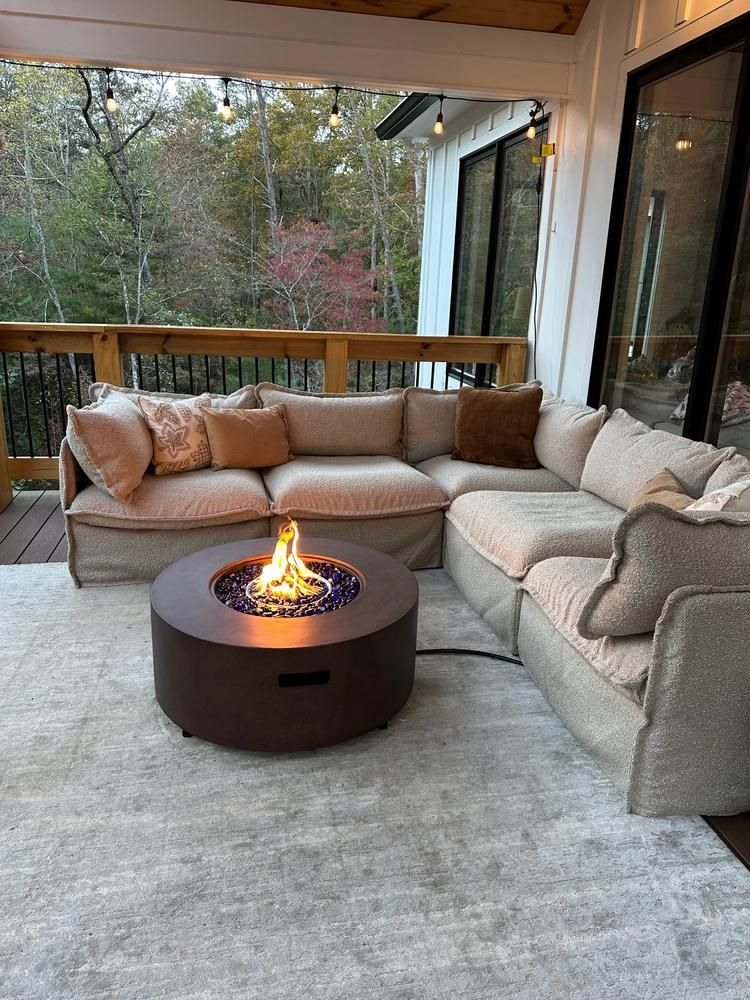
This is the sofa lesson. If people are coming inside from the water at any point — even just to grab a snack — your upholstery needs to be a performance fabric: Sunbrella, Crypton, or an indoor-outdoor blend, not a cotton or linen that looks nice in a showroom.
Performance fabrics have come a long way and don’t look “outdoor furniture” anymore; you can get genuinely soft, good-looking options now.
The trade-off is upfront cost. A Sunbrella-upholstered sectional runs noticeably more than a comparable standard-fabric one — expect to pay a real premium, sometimes 30-40% more for the same piece.
But I did the math after replacing that ruined sofa, and the performance version would have paid for itself in the first two summers alone once you factor in what I spent on cleaning products and eventually a full re-upholstery.
| Fabric Type | Cost vs. Standard | Wet Swimsuit Resistant? | Stain Resistant? | Feels Like |
|---|---|---|---|---|
| Cotton/linen blend | Baseline | No | Poor | Soft, but showroom-only |
| Sunbrella | +30-40% | Yes | Excellent | Slightly cooler, breathable |
| Crypton | +25-35% | Yes | Excellent | Very close to standard fabric |
| Outdoor-rated canvas | +15-20% | Yes | Good | Sturdier, less plush |
If you can only upgrade one piece, do the sofa or sectional first — it’s the one that takes the most abuse.
3. Go With a Washable Rug in Every High-Traffic Room
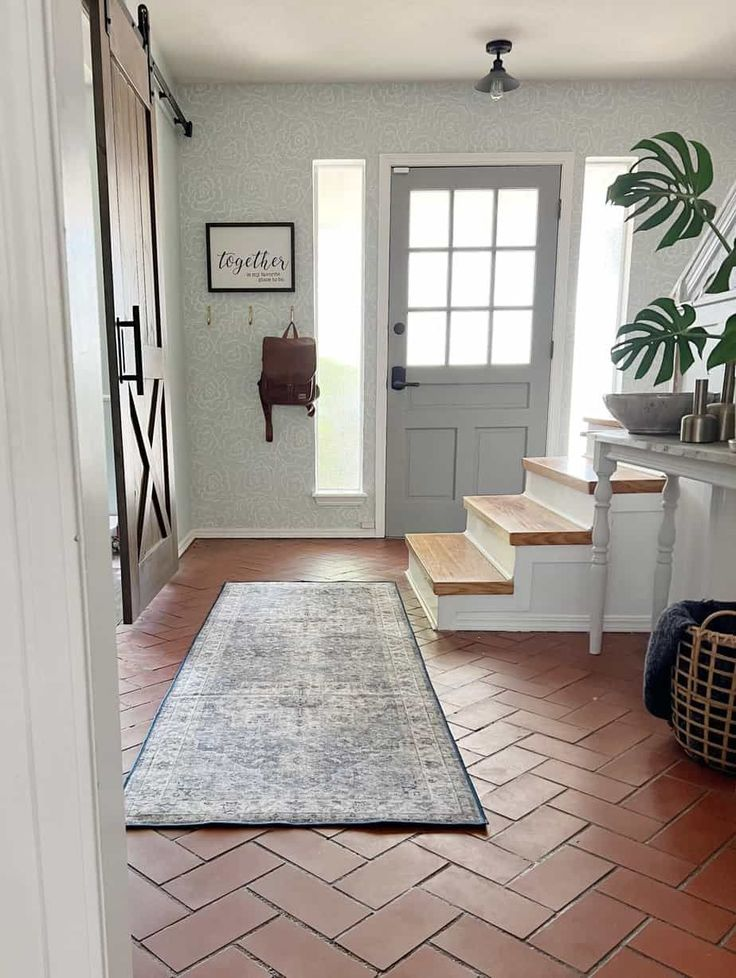
Wet feet, sandy dogs, spilled drinks — a lake house rug takes a beating no city apartment rug ever will. Machine-washable rugs (Ruggable and similar brands are the well-known ones, but there are cheaper alternatives now too) have genuinely changed what’s possible here.
I have one in a lake-adjacent mudroom that’s been through a washing machine probably fifteen times and still looks decent.
Jute and natural fiber rugs are the other classic lake house choice, and they do look beautiful, but I’ll be real with you — they don’t love repeated soaking, and they can mildew if they stay damp in a humid space without good airflow.
If your lake house doesn’t have great ventilation or you’re not around to pull a wet rug up and dry it quickly, I’d skip natural fiber in the main entry and save it for a drier, less-trafficked room.
Pro tip: Get a rug pad rated for washable rugs, not a standard one — some rug pads trap moisture underneath and you end up with a mildew smell coming from the pad, not the rug itself, which took me embarrassingly long to figure out.
4. Bring the Dock Inside With Rope and Nautical Rope Details — But Sparingly
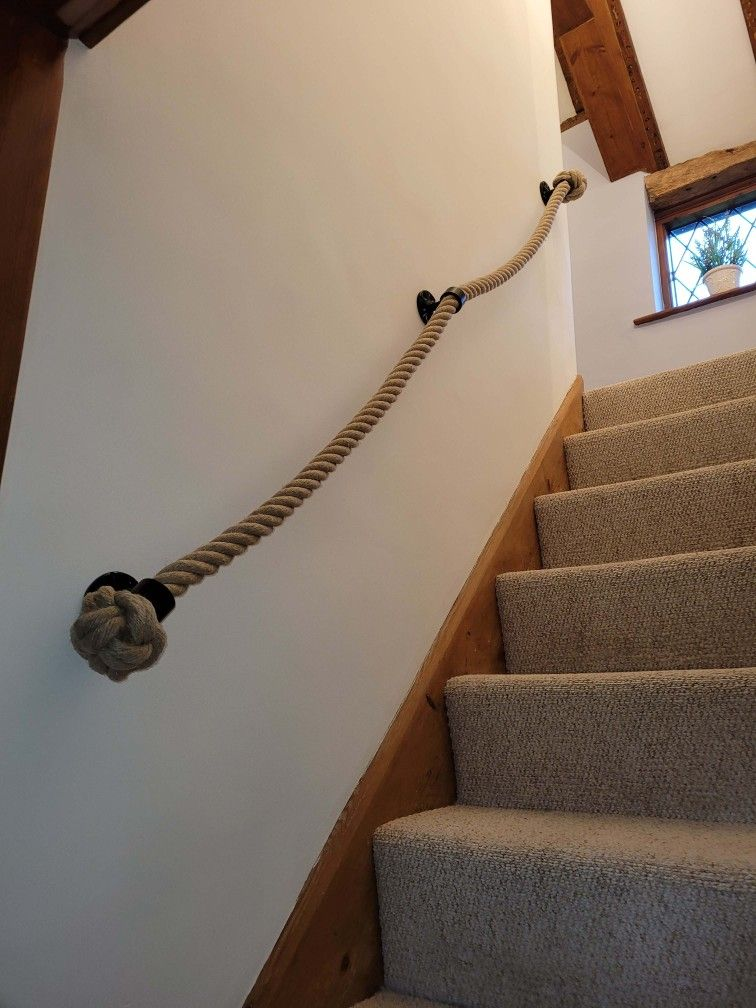
A little rope detailing — a mirror with a rope frame, a rope-wrapped stair railing, rope light-pull accents — nods to the lake house theme without tipping into full nautical costume.
The mistake is going all in: anchors on the throw pillows, a ship’s wheel on the wall, blue-and-white stripes on every textile. That reads as themed decor rather than an actual home, and it dates fast.
Pick one or two rope or dock-inspired moments per room, max. A friend of mine, Renata, wrapped the newel post at the bottom of her lake house stairs in thick manila rope as a one-time weekend project, and it’s become the one detail every guest comments on — because it’s the only nautical element in that whole entryway, not one of ten competing for attention.
5. Choose Flooring That Doesn’t Care About Water
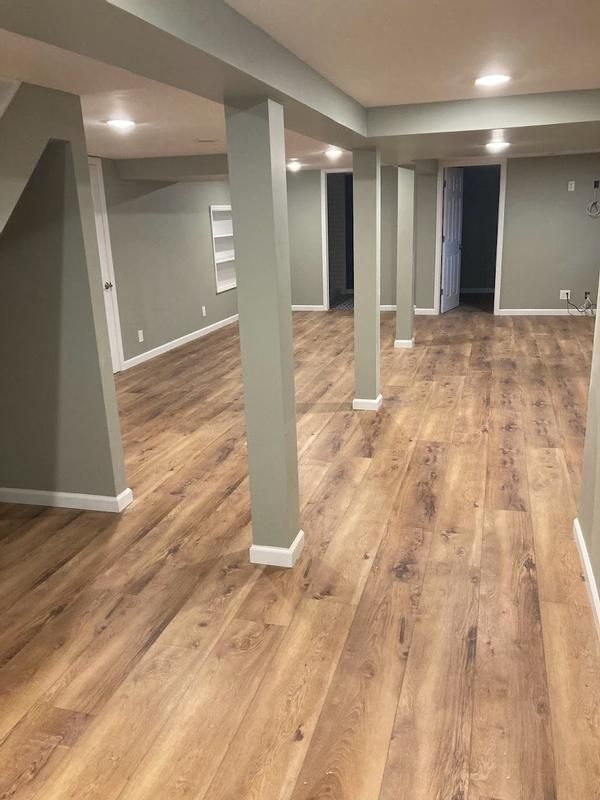
Hardwood is beautiful, but if you’re getting consistent moisture and sand tracked in, it’s genuinely high-maintenance at a lake house — it can cup, warp, or gray from repeated wet exposure even with sealant.
LVP (luxury vinyl plank) has become the go-to for lake houses for a reason: it’s fully waterproof, handles temperature swings in a seasonal cabin, and modern versions look convincingly like real wood grain now, not the plasticky stuff from a decade ago.
Tile is the other solid option, especially in mudrooms and entries, though it’s cold underfoot in an unheated cabin during shoulder season, which matters if you’re there in April or October.
What it actually costs: Decent LVP runs a few dollars per square foot for materials, with installation bringing a mid-size room to a moderate total cost — noticeably less than refinishing hardwood and dramatically less than replacing water-damaged hardwood, which is the real comparison you should be making.
6. Layer in Woven and Natural Textures for Warmth
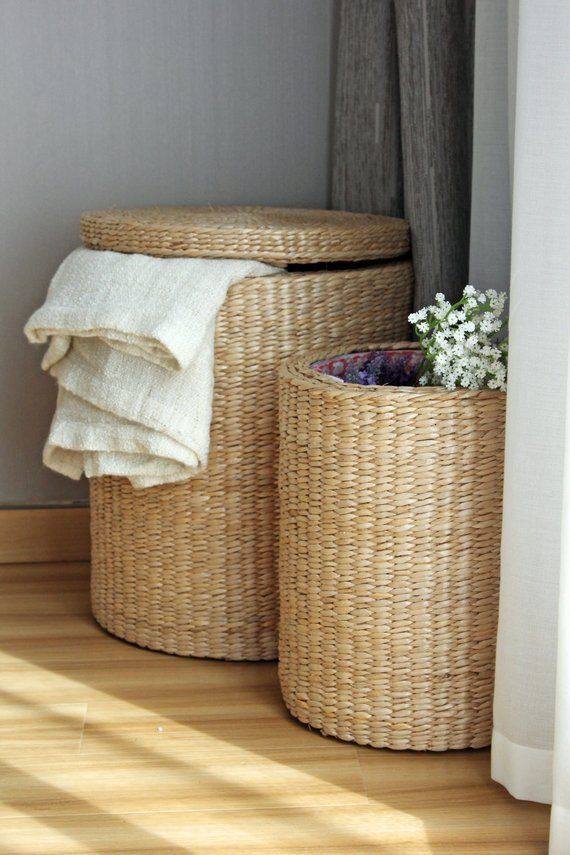
Because a lot of lake-friendly materials (LVP, performance fabric, washable rugs) lean a little cooler and more “practical” by nature, you want to layer in texture to keep the space from feeling like a rental unit.
Woven baskets, a chunky wood coffee table, rattan pendant lights, linen (in low-contact areas like curtains, not upholstery) — these add warmth without sacrificing durability where it matters.
The trick is being strategic about where texture goes. Save the delicate, harder-to-clean materials for spaces further from wet traffic — a linen runner on a dining table you don’t eat swimsuit-clad meals at, versus a performance fabric placemat on the porch table where people actually land straight from the dock.
7. Design a Real Mudroom Drop Zone, Even If It’s Just a Bench
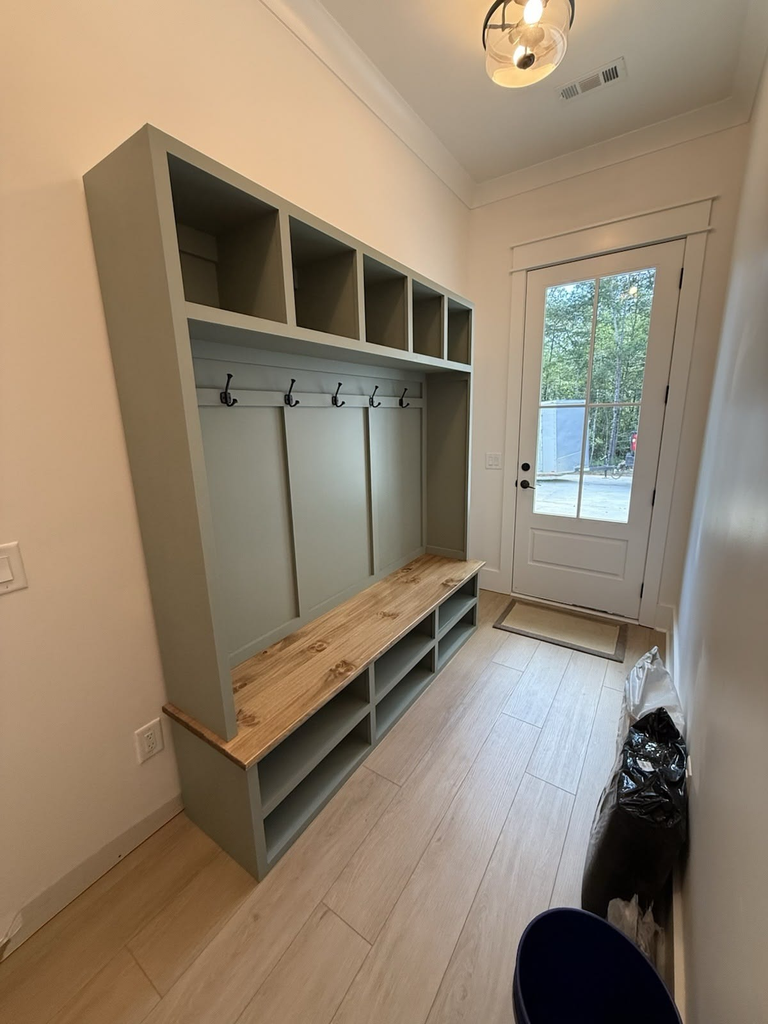
If your lake house doesn’t have a dedicated mudroom, carve one out anyway — even a repurposed hallway or a corner of the garage works. You need somewhere for wet towels, life jackets, and shoes to land before they hit the rest of the house, or that “before they hit the rest of the house” part just doesn’t happen.
The formula that’s worked in every lake house I’ve seen do this well: a bench with storage underneath, hooks at two heights (kids and adults), and a floor material that doesn’t mind puddling — tile, LVP, or even outdoor-rated turf in a pinch.
Pro tip: Add a small drain-friendly tray or boot tray right by the door for wet shoes specifically. It sounds minor, but it’s the single thing that’s cut down on tracked-in lake water in my own place more than anything else on this list.
8. Use Slipcovers Where You Can’t Justify Performance Fabric
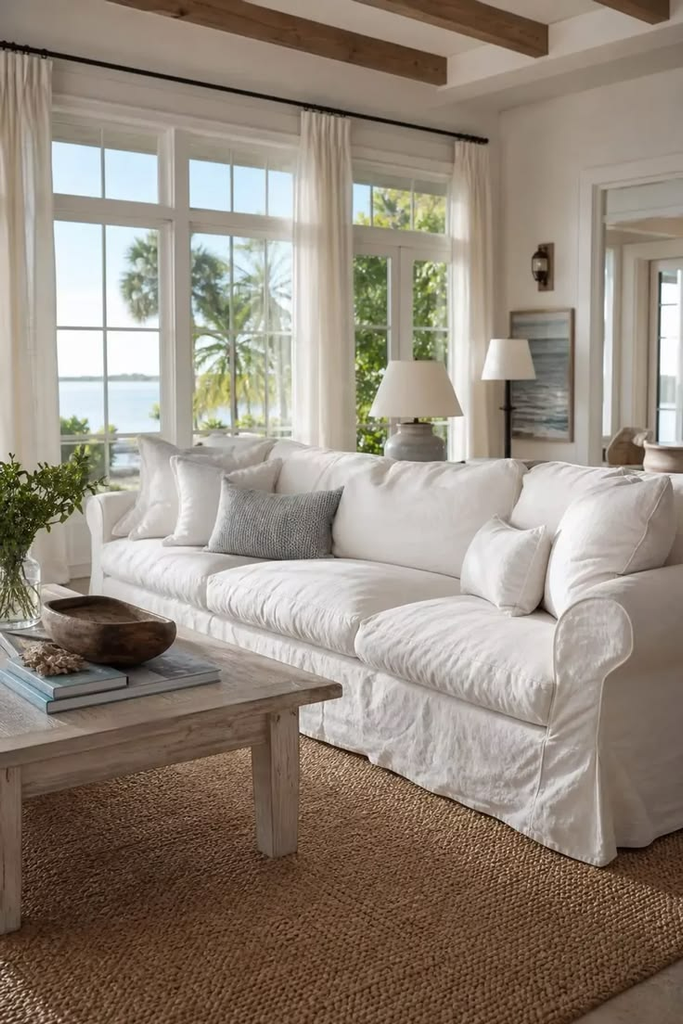
If reupholstering everything in Sunbrella isn’t in the budget this year, slipcovers are the honest middle ground. A washable cotton duck slipcover over an existing sofa lets you throw it in the wash after a rough weekend instead of replacing the whole piece.
It’s not going to look as tailored as a true performance-fabric reupholstery, but it buys you time and protects what you already own.
I did this for two full summers on a hand-me-down loveseat before finally springing for real performance fabric, and it held up fine — just expect the slipcover to need re-tucking and straightening more than you’d like.
9. Bring In Big, Casual Seating for Groups
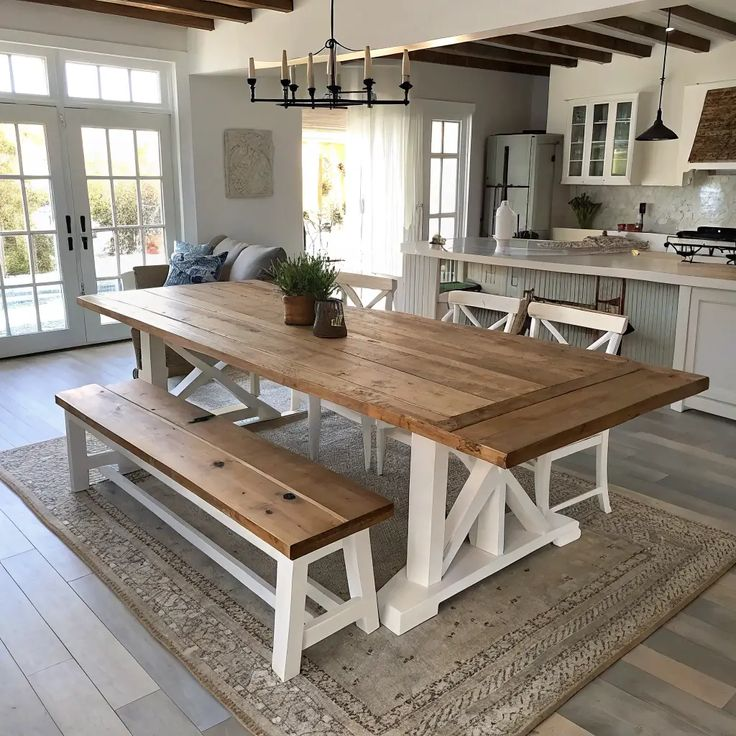
Lake houses tend to fill up fast — extended family, friends’ kids, the neighbor who “just stopped by” and stayed for dinner. Prioritize seating that flexes for groups: a sectional over two separate sofas, a dining table with a leaf you can add, benches instead of individual chairs where you can.
Benches in particular let you squeeze in one more person without anyone having to drag in a folding chair.
10. Choose a Ceiling Fan Over (or With) Air Conditioning
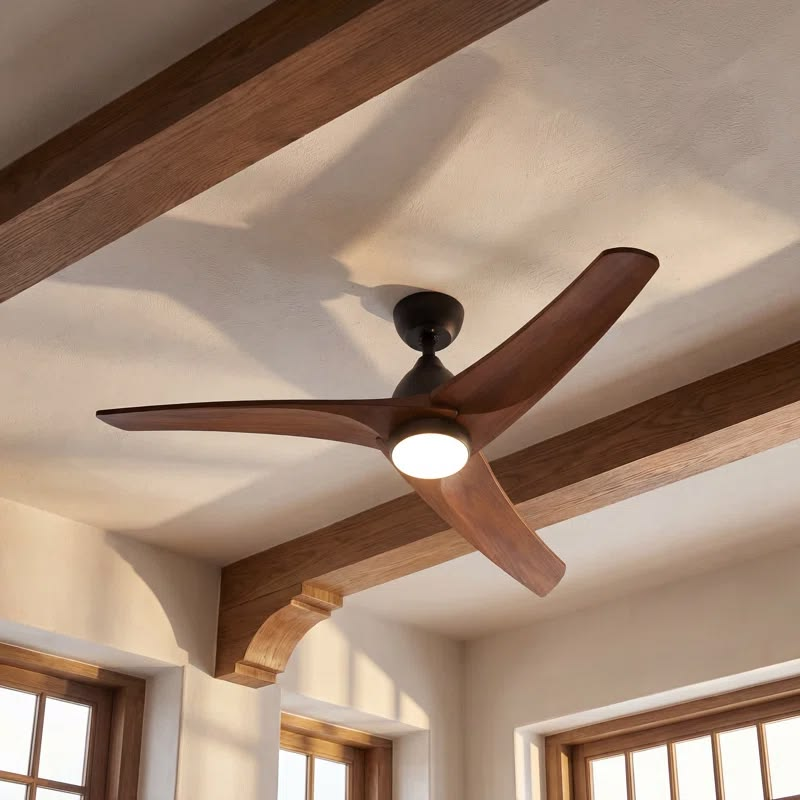
A lot of lake houses, especially older cabins, weren’t built with central air, and depending on your region, you might not need it if you get good cross-ventilation and ceiling fans in the main gathering rooms.
A wood-bladed fan actually reinforces the lake house look rather than looking like a compromise, which isn’t something you can say about most functional necessities.
If you are adding central air or a mini-split system, factor the visible unit into your design early rather than as an afterthought — a mini-split head mounted awkwardly in the middle of a shiplap wall is the kind of thing that bugs you every day once it’s in.
11. Do Shiplap or Tongue-and-Groove Paneling on at Least One Wall
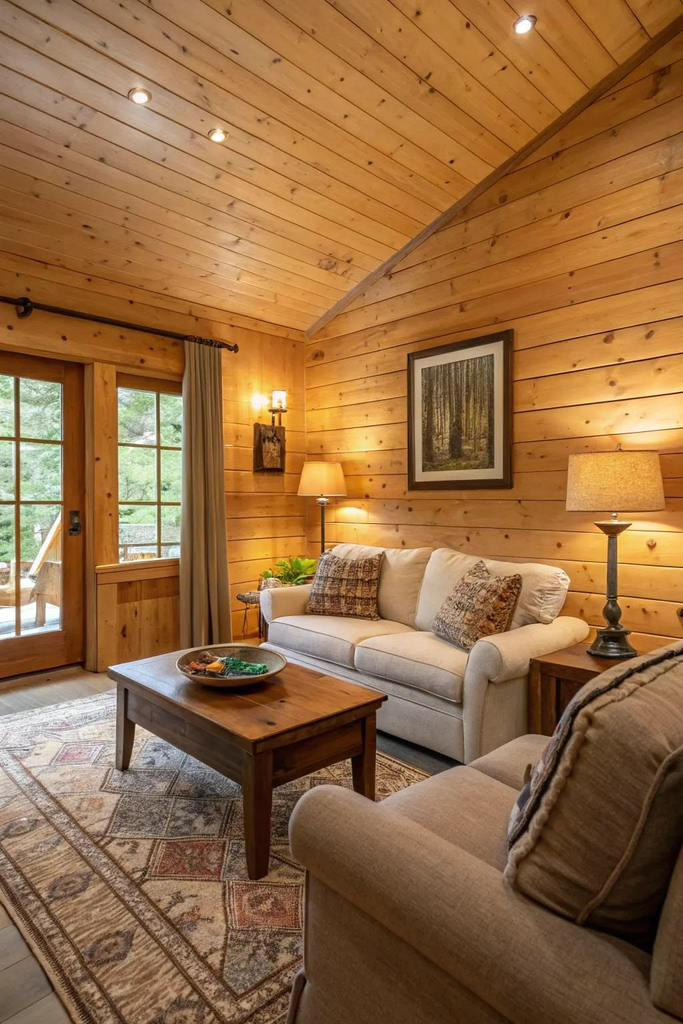
I know shiplap gets mocked at this point for being the default farmhouse move, but in a lake house context, it genuinely earns its place — it was historically used in actual lake cabins because it’s simple, cheap, and holds up to humidity better than drywall, which can bubble and stain if it takes on any moisture.
If you’re doing an accent wall, tongue-and-groove pine (stained or painted) does the job with a little more texture than flat shiplap boards.
Budget version: prefinished tongue-and-groove panels from a home improvement store, installed as a weekend DIY project, run a modest per-square-foot cost — a fraction of what a full drywall repair and repaint would cost if your existing wall already has moisture damage.
12. Pick Lighting That Can Handle Humidity, Especially Outdoors and in Bathrooms
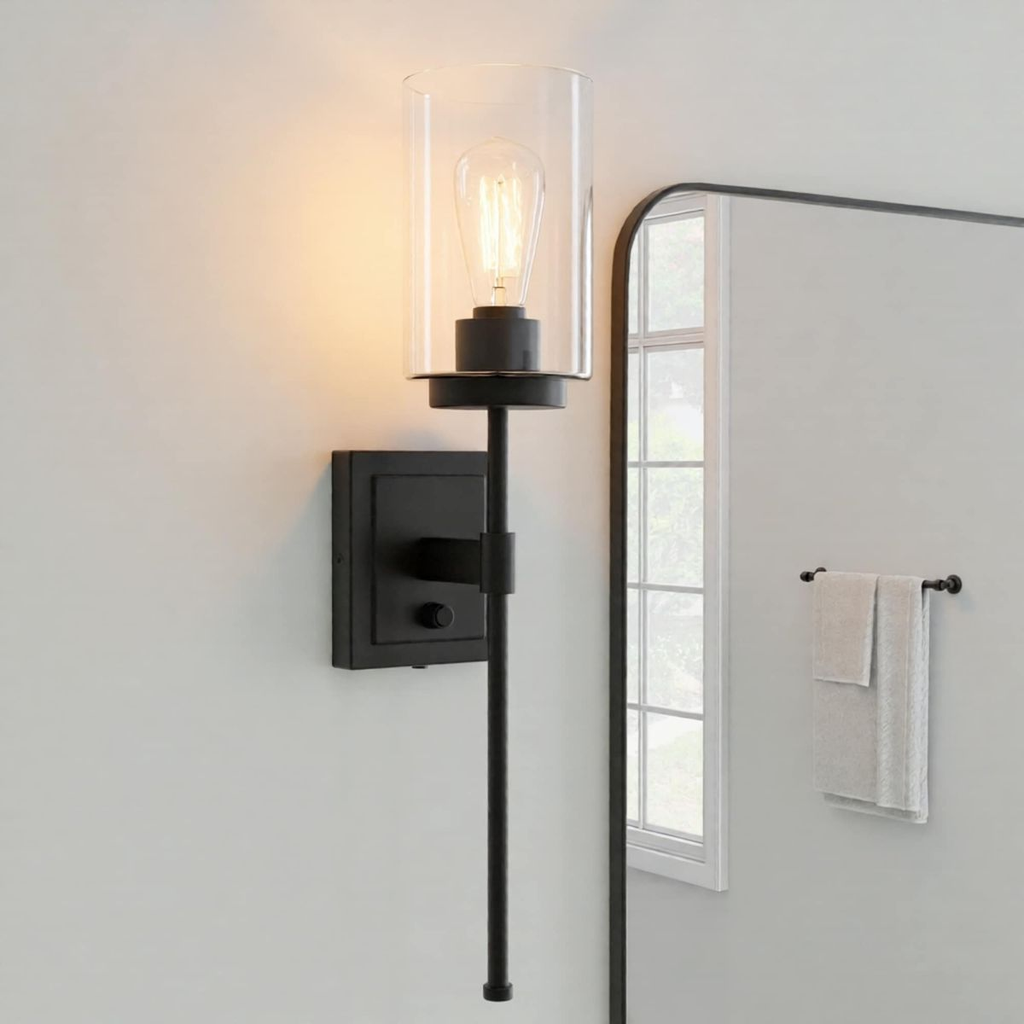
Standard indoor fixtures can corrode fast in a humid lakefront environment, particularly bathroom and porch fixtures.
Look for fixtures rated for damp or wet locations specifically — this is printed on the box or listing, and it’s worth checking before you buy something just because it’s the right finish.
Pro tip: Brushed nickel and matte black both hold up better against humidity corrosion than polished chrome or brass over time in a genuinely damp lake environment — polished finishes can pit and dull faster than you’d expect.
13. Add a Screened Porch or Sunroom if You Don’t Have One
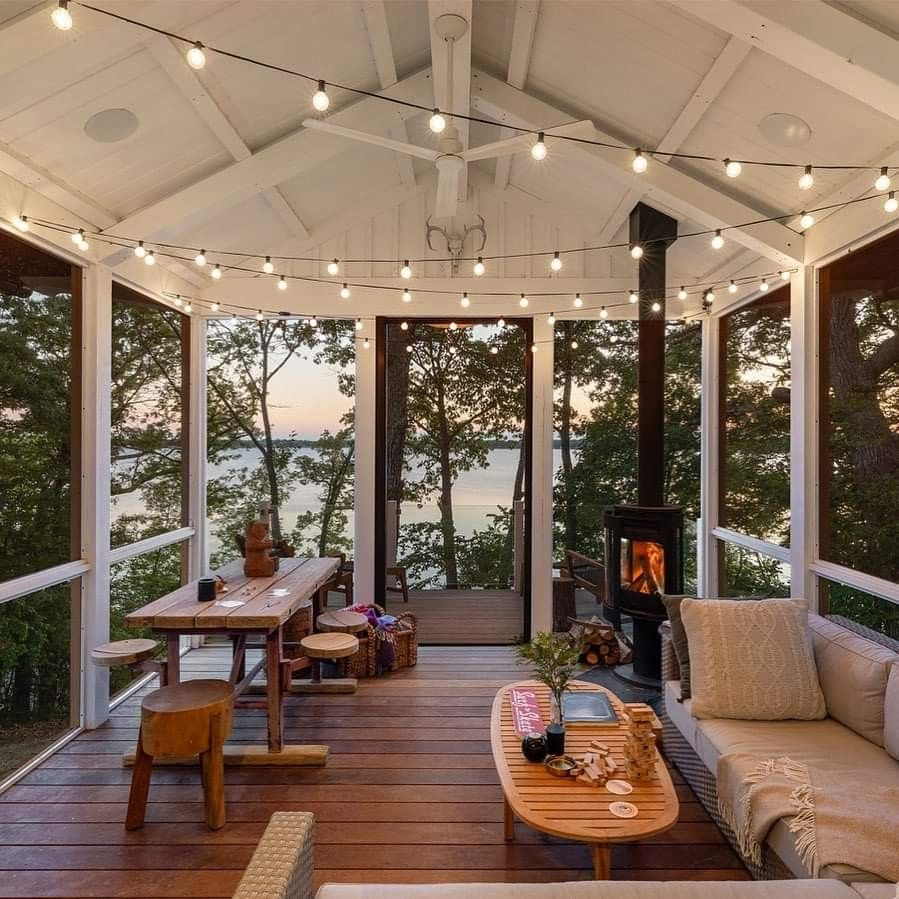
If your lake house doesn’t already have a screened-in space, it’s one of the higher-value additions you can make, both for actual quality of life and resale.
It gives you a spot to sit outside without bugs, keeps wet swimsuits and sandy feet from tracking straight into carpeted living rooms, and functions as a natural transition zone between the dock and the house.
If a full addition isn’t in the cards, even a screened section of an existing deck, done as a smaller project, gets you most of the benefit.
14. Choose a Statement Light Fixture Over the Dining Table
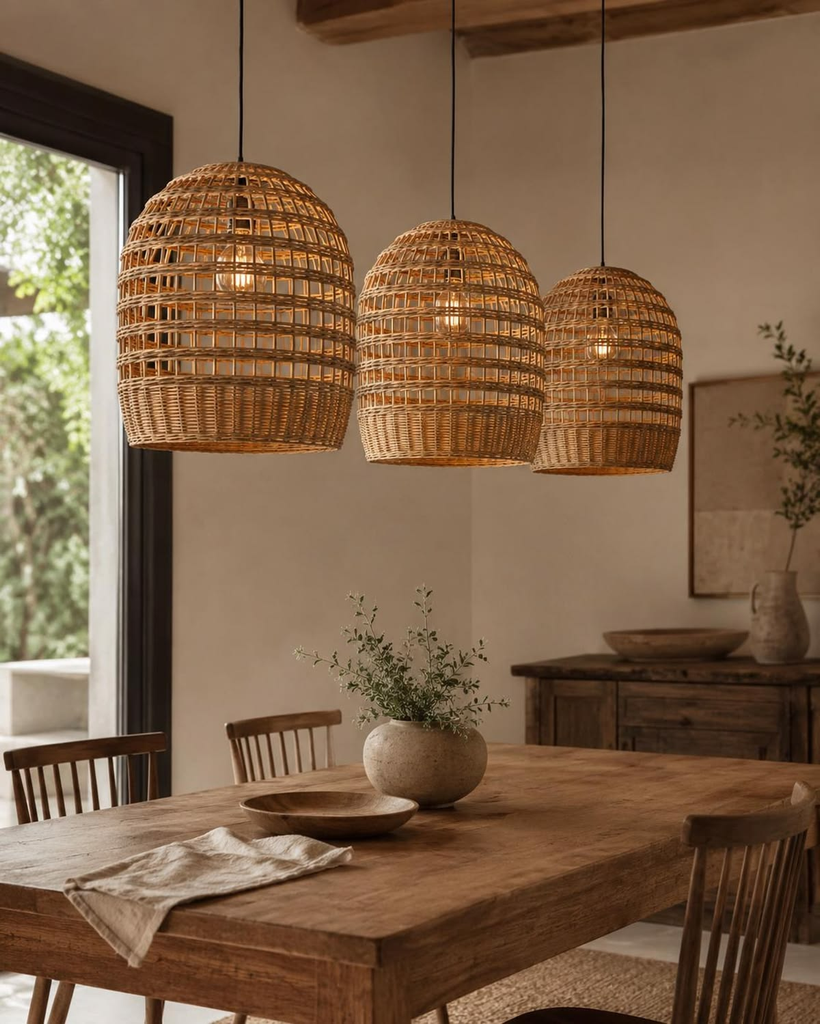
Because a lot of lake house design leans toward calm, neutral, textural — driftwood, linen, soft blues — one bolder moment, like a sculptural pendant or a woven rattan chandelier over the dining table, gives the eye somewhere to land.
This is the “spend more here” item I’d actually recommend, because it’s the one piece everyone sees every single meal, and a cheap builder-grade fixture in that spot undercuts a lot of the work you did elsewhere.
15. Use Board and Batten in Bathrooms as a Moisture-Friendlier Alternative to Wallpaper
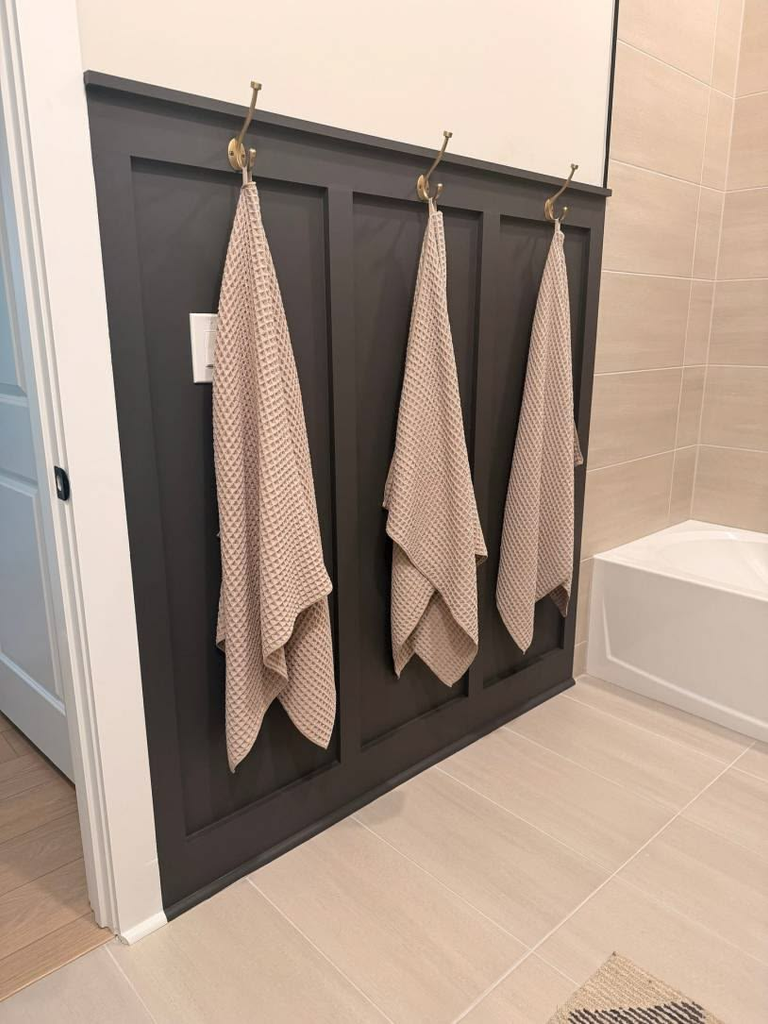
Wallpaper in a lake house bathroom is risky — humidity and steam can lift edges and cause bubbling within a year or two, even with a “moisture-resistant” label.
Board and batten (or beadboard) painted with a semi-gloss or satin bathroom-rated paint holds up dramatically better and still gives you that classic lake house texture.
If you love the look of wallpaper too much to skip it, save it for a powder room without a shower, where humidity is much lower.
16. Get a Real Boot and Life Jacket Storage System
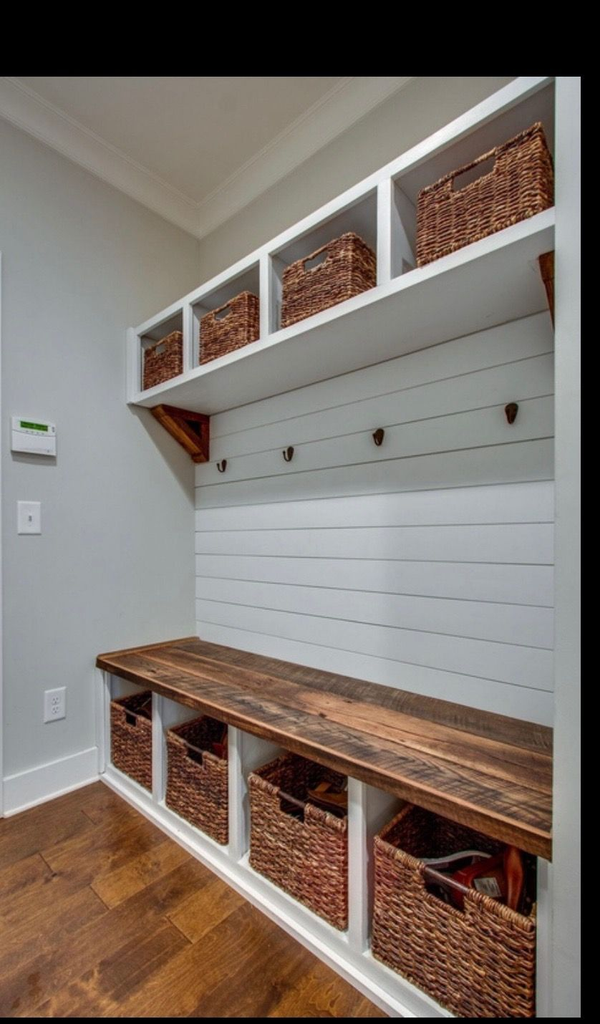
This one’s unglamorous but it matters: life jackets, especially kids’ sizes, multiply fast, and they mildew if they’re stuffed wet into a bin with a lid.
A slatted or mesh-back cubby system, ideally near an exterior door with airflow, keeps them from smelling and keeps them out of your living room floor by August.
17. Choose Outdoor Furniture That’s Actually Rated for Sun, Not Just Rain
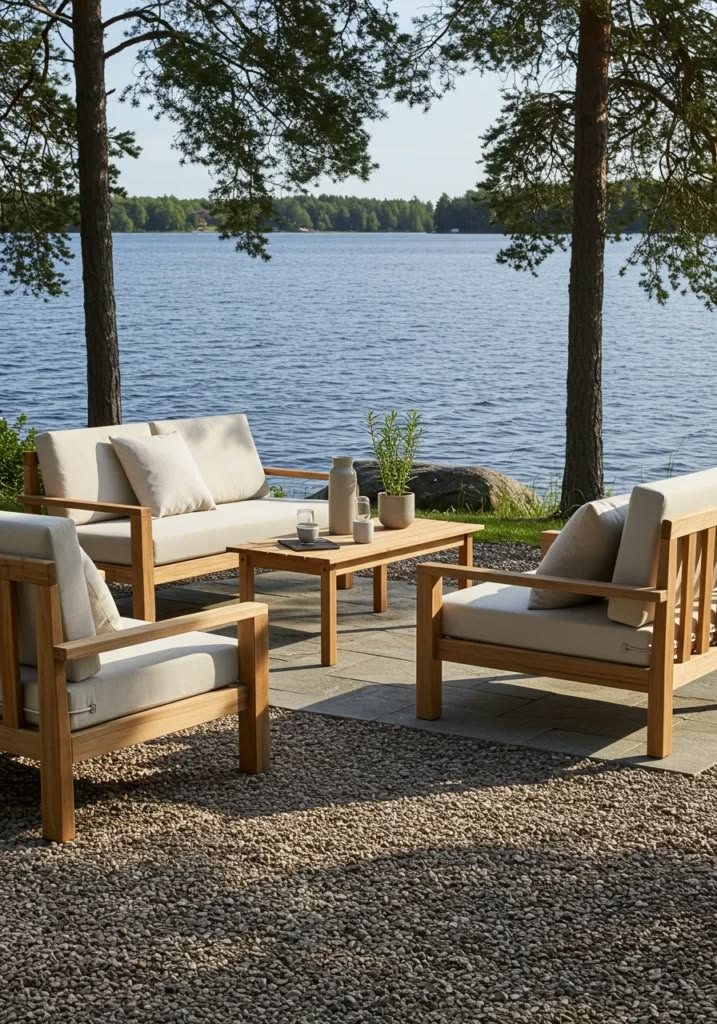
A lot of “outdoor” furniture is rated for weather but not constant direct sun, and it’ll fade or go brittle within a season or two on an exposed lake deck that gets sun most of the day.
Look specifically for UV-resistant ratings, not just “outdoor use,” especially for cushions and any resin wicker pieces.
| Material | Sun Fade Resistance | Rain/Moisture Resistance | Typical Lifespan (full-sun dock/deck use) |
|---|---|---|---|
| Teak | Excellent (grays naturally, doesn’t degrade) | Excellent | 10-20+ years |
| HDPE resin wicker | Very good | Excellent | 8-15 years |
| Standard PE wicker | Poor-fair | Good | 2-4 years |
| Powder-coated aluminum | Good | Excellent | 10+ years |
| Untreated wood | Poor | Fair | 2-5 years without resealing |
Teak costs more upfront but it’s genuinely a buy-it-once material for full-sun dock furniture — I’ve seen 15-year-old teak chairs at a family lake house that just needed a light sanding to look presentable again.
18. Build In Extra Seasonal and Off-Season Storage
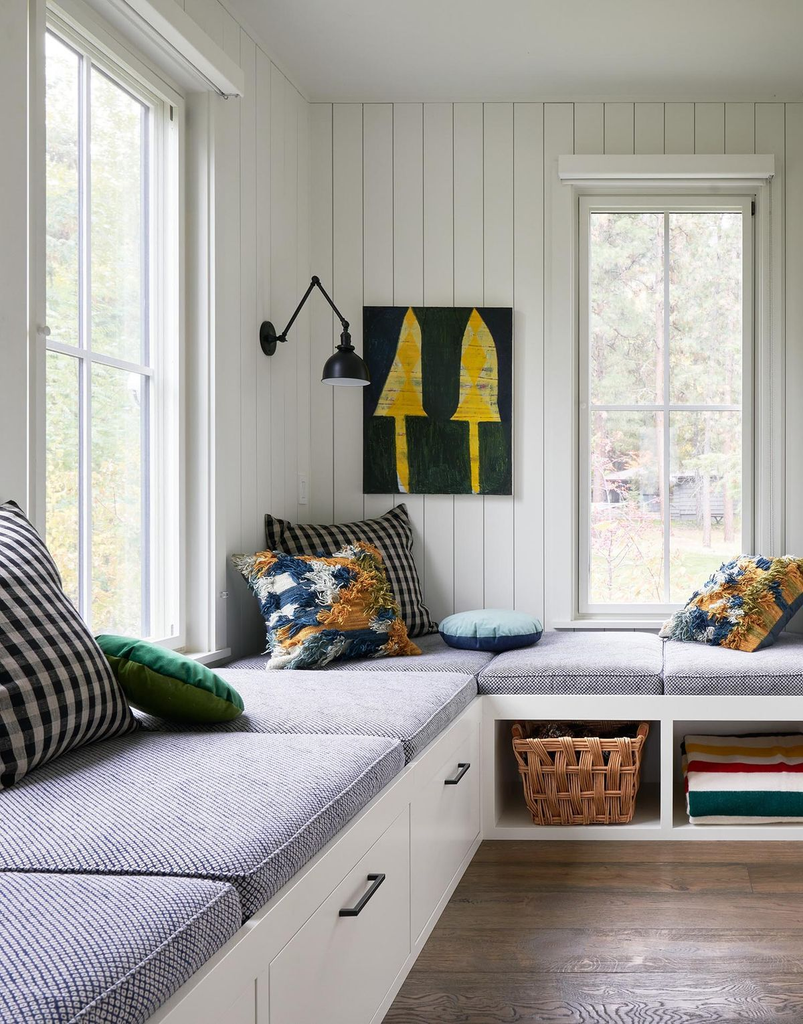
If the lake house isn’t your primary residence, you’re storing things a normal house doesn’t: kayaks, paddleboards, extra linens for guests, off-season furniture cushions.
Plan storage for this early — under-stair storage, a dedicated shed, or built-in benches with lift-up seats — instead of letting it pile up in a spare bedroom, which is what happens to almost everyone who doesn’t plan for it.
19. Choose a Kitchen Backsplash That Wipes Clean in One Pass
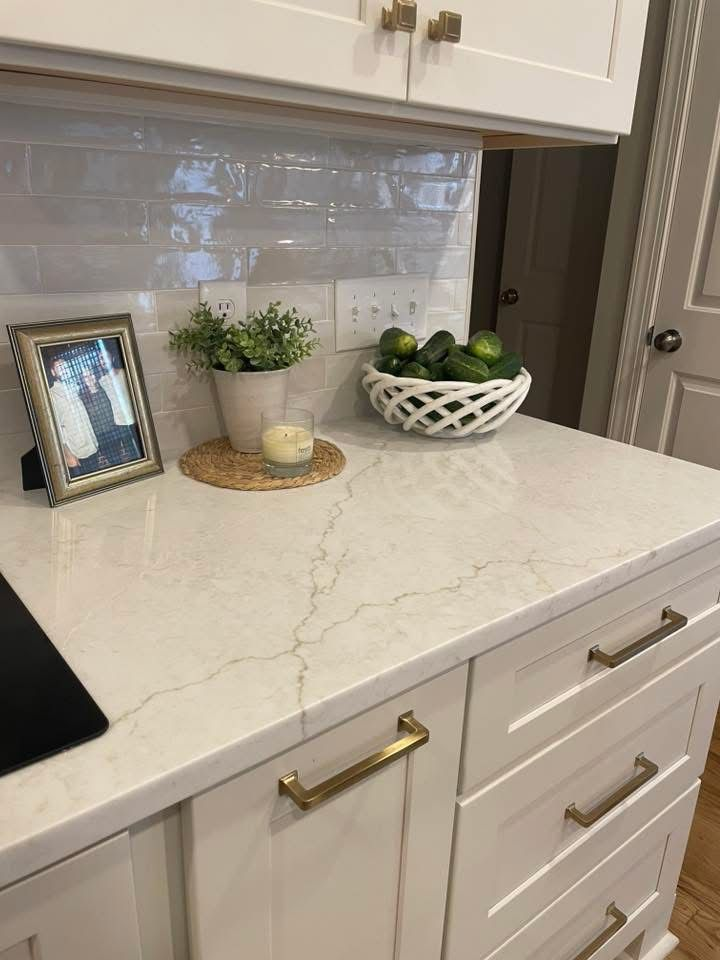
Between fish being cleaned, kids making their own snacks, and generally more cooking happening than in a normal week at home, a lake house kitchen backsplash needs to be genuinely low-effort to wipe down.
Subway tile with a properly sealed grout, or a single slab of quartz, both outperform anything with lots of grout lines or a textured, hard-to-clean surface.
Pro tip: If you already have a busy tile backsplash and don’t want to redo it, a good epoxy-based grout sealer applied annually makes a bigger difference in day-to-day cleanup than most people expect.
20. Add a Beverage or Coffee Station Away From the Main Kitchen Traffic

With more people cycling through a lake house kitchen at once than a typical home sees, a small dedicated coffee or drink station — even just a counter with a coffee maker, a mini fridge, and mugs — keeps the main kitchen counter from becoming a bottleneck every morning.
This is a genuinely low-cost addition that makes a disproportionate difference to how chaotic mornings feel with a full house.
21. Choose Window Treatments That Handle Sun Bleaching, Not Just Privacy
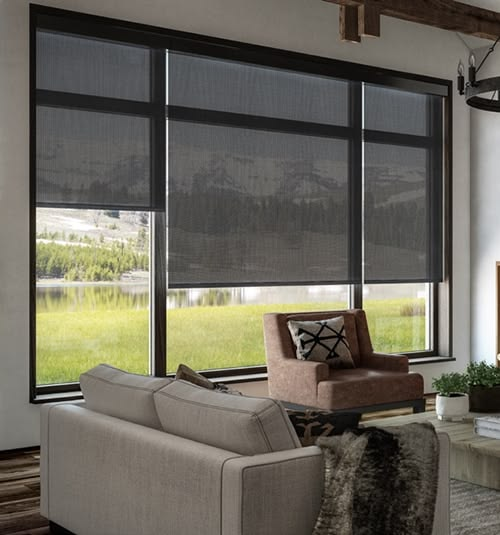
South- and west-facing lake views mean a lot of direct sun exposure, and standard curtains can bleach and become brittle within a couple of seasons in a room that gets hit hard all afternoon.
Solar shades with a UV-blocking rating, or outdoor-rated fabric used indoors, hold color and structure much longer than a decorative linen curtain that wasn’t built for that kind of light exposure.
22. Bring in Local, Real Elements Instead of Generic “Lake House” Decor
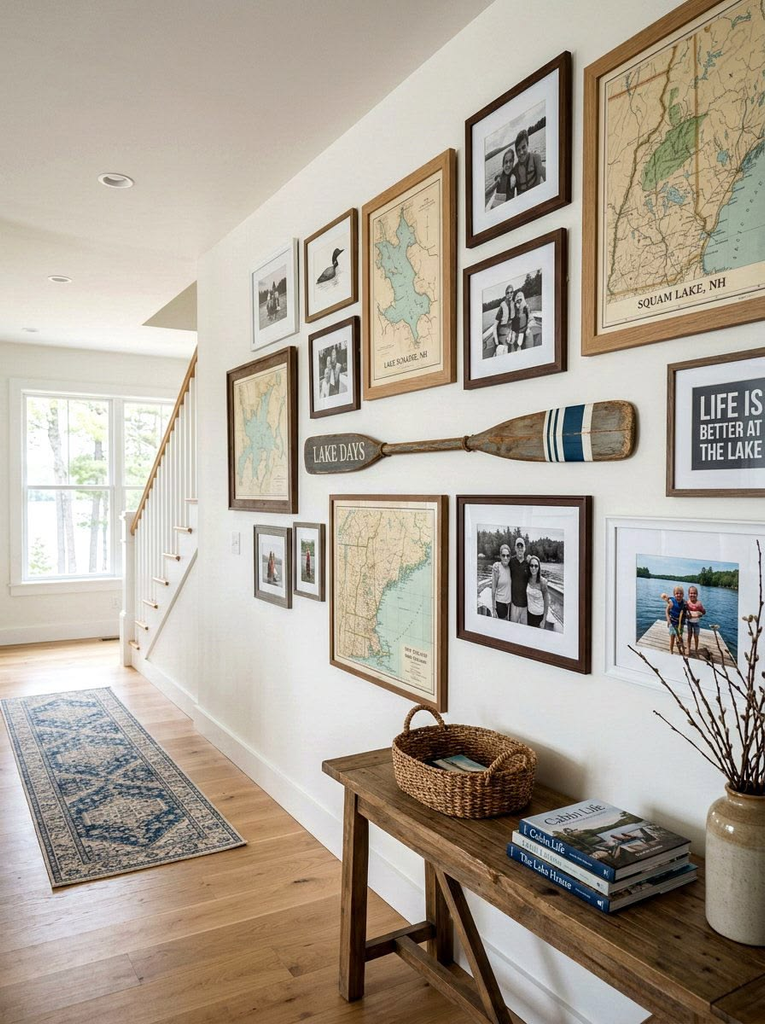
Skip the mass-produced “Lake Life” wooden signs if you want the space to feel real instead of themed.
A framed map of your actual lake, a piece of local pottery, driftwood you personally collected, a photo of the house from decades ago if you can find one — these do more work than anything ordered off a big-box home decor site, and they’re usually cheaper too.
My aunt found an old hand-drawn survey map of her actual lake at an estate sale for less than the cost of a single throw pillow, framed it simply, and it’s become the thing every new guest asks about — way more than the “Gone Fishing” sign ever was.
23. Plan a Multi-Purpose Bunk or Guest Room for Overflow
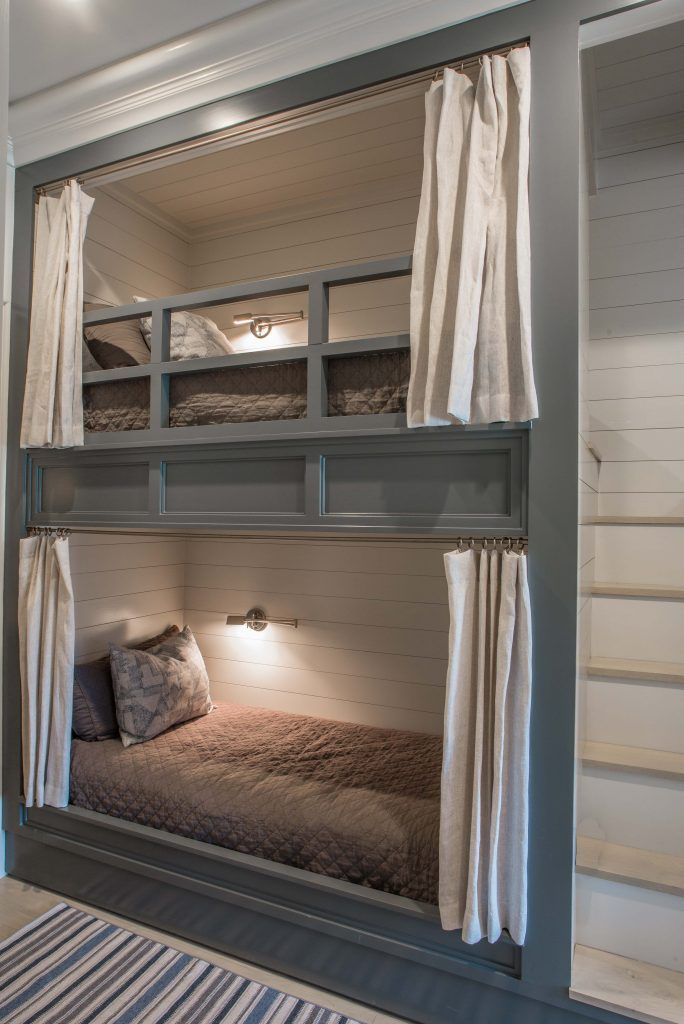
If your lake house regularly has more guests than bedrooms, a dedicated bunk room — built-in bunks, or even just two sets of stacked beds in a converted den — solves the overflow problem better than an air mattress rotation ever will.
Built-in bunks with a curtain for privacy on each bed level up the whole guest experience without needing a home addition.
24. Choose a Neutral Base So You Can Swap Accents Seasonally
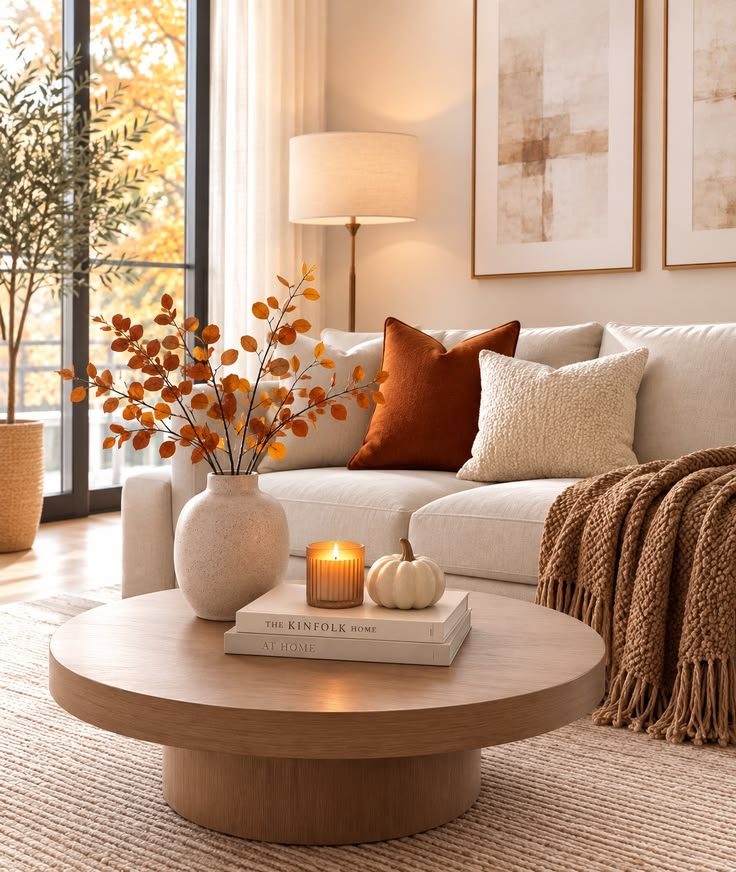
Because lake houses tend to get more foot traffic and more “trying new things” energy than a primary home, keeping big-ticket items (sofas, rugs, wall color) in a neutral base and rotating smaller, cheaper accents — throw pillows, table runners, seasonal wreaths — lets you refresh the look without redoing furniture you just spent real money durability-proofing.
This is honestly the most practical thing on this whole list if you’re decorating on an ongoing budget rather than all at once.
If I Were Starting a Lake House From Scratch
I’d do the boring, invisible stuff first — flooring, upholstery fabric, and a real mudroom setup — before touching a single decorative choice.
Every lake house I’ve seen that actually feels good three or five years in got the durability decisions right early, and every one that feels tired and mismatched skipped straight to the pretty stuff and is now mid-way through replacing a ruined rug or a sofa nobody wants to sit on anymore.
Ask me how I know.
Start with what’s going to survive the actual life of the place, then have fun with the rest.


Leave a Reply