
Somewhere over Nebraska, on a five-hour flight with a then-four-year-old, I learned the hard way that a Ziploc bag of “quiet activities” is not a travel kit — it’s just loose stuff that ends up under seat 14C within twenty minutes.
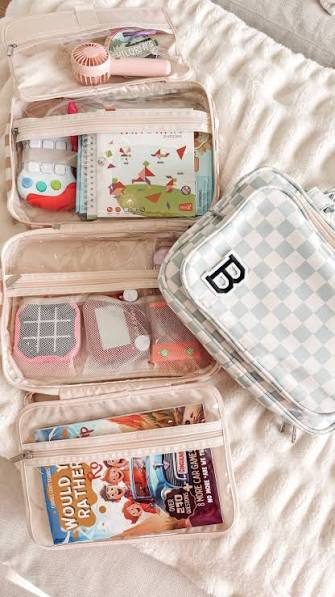
What actually worked, eventually, was building kits with structure: a container that closes, activities matched to the actual length and type of trip, and a hard rule that if it has more than four pieces, it’s staying home.
If you’ve got a trip coming up and you’re staring down the idea of a “kids travel kit” the way I used to — vaguely picturing snacks and a coloring book shoved in a tote bag — I get it, and I also think you can do a lot better without spending a ton of money or a whole weekend assembling something.
The DIY travel kits that actually hold up on a real trip aren’t the ones with the most stuff in them; they’re the ones built around the actual constraints of your trip — flight versus car, toddler versus tween, two hours versus twelve.
This list covers 24 DIY travel kit ideas for kids, organized by trip type and age range, because a car-ride kit for a 3-year-old and a long-haul flight kit for a 9-year-old need to solve completely different problems.
I’ll flag which ones are genuinely reusable versus one-and-done, which containers hold up versus which ones crack in a suitcase, and where spending an extra few dollars on the right container matters more than what you put inside it.
The Container Matters More Than People Think
Before any of the actual kit ideas, a quick thing I wish someone had told me earlier: the container you use changes everything about whether a kit survives a trip.
A flimsy tote or a loose bag means everything shifts and scatters the second the vehicle hits a bump or the kid tips it over reaching for something.
A hard-sided pencil box, a divided plastic organizer (the kind meant for tackle or craft supplies), or a zippered pouch with actual compartments will outlast a soft bag by a lot, and they’re not expensive — most run $4 to $10.
Pro tip: Look specifically for a container with a flat bottom and a closure that snaps rather than just zips, if it’s going in a car seat area or a plane tray table — anything that can tip sideways on a zippered pouch alone will eventually dump itself.
For Long Car Rides
1. Sticker scene box
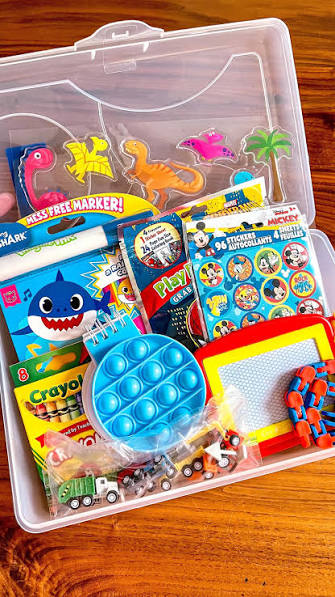
A small flat container with a laminated background scene (a farm, a city street, outer space — you can print these free from a lot of teacher-resource sites) and a page of reusable stickers. The laminate is the actual trick here — plain paper backgrounds get torn within one trip, but a laminated one wipes clean and lasts through multiple road trips.
2. Reusable “I Spy” bottle
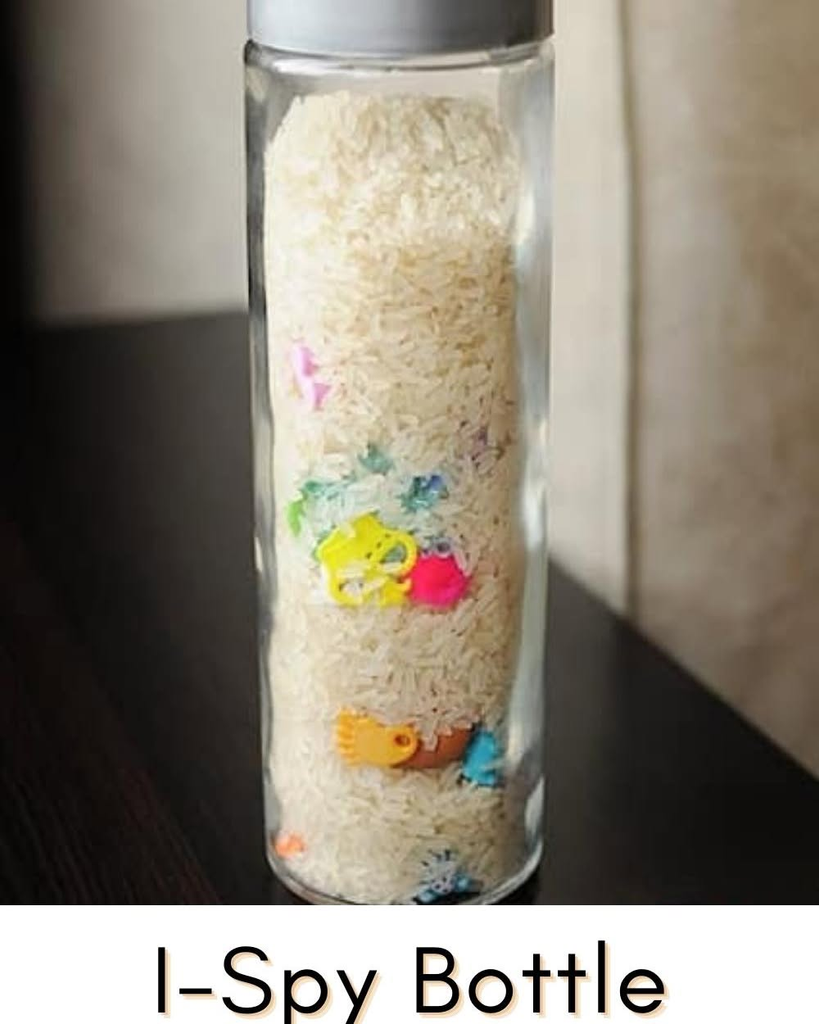
A clear plastic bottle filled with rice or dried beans and small hidden objects (buttons, tiny toys, letter beads), sealed shut with hot glue so it can’t be opened and spilled in the back seat. My friend Renata made one of these for her twins using an empty spice jar, and the trick she figured out after her first attempt leaked rice everywhere was to hot-glue the lid on twice — once around the threads, once as a full seal over the top.
3. Window clings activity set

Gel window clings (the kind that stick to glass with static, no adhesive) themed to the trip — a road trip bingo set, shapes, letters. These are genuinely mess-free, which matters more on a long car ride than almost anything else on this list, and they store flat in a small envelope instead of taking up real space.
4. Magnetic drawing board, DIY version
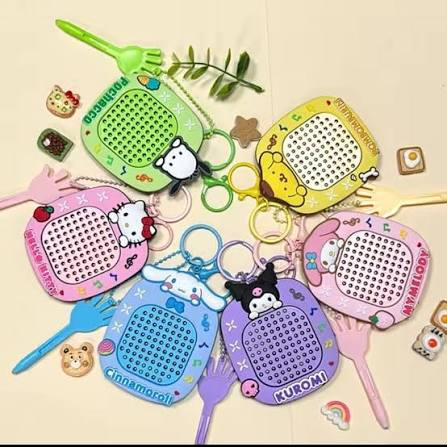
Instead of buying the branded magnetic doodle boards, you can get most of the same function from a cookie sheet, a magnet wand, and small magnetic pieces — letters, shapes — for a fraction of the cost. It’s not quite as slick as the retail version, but for a car ride where the goal is just occupied hands, it does the job.
5. Road trip scavenger hunt cards
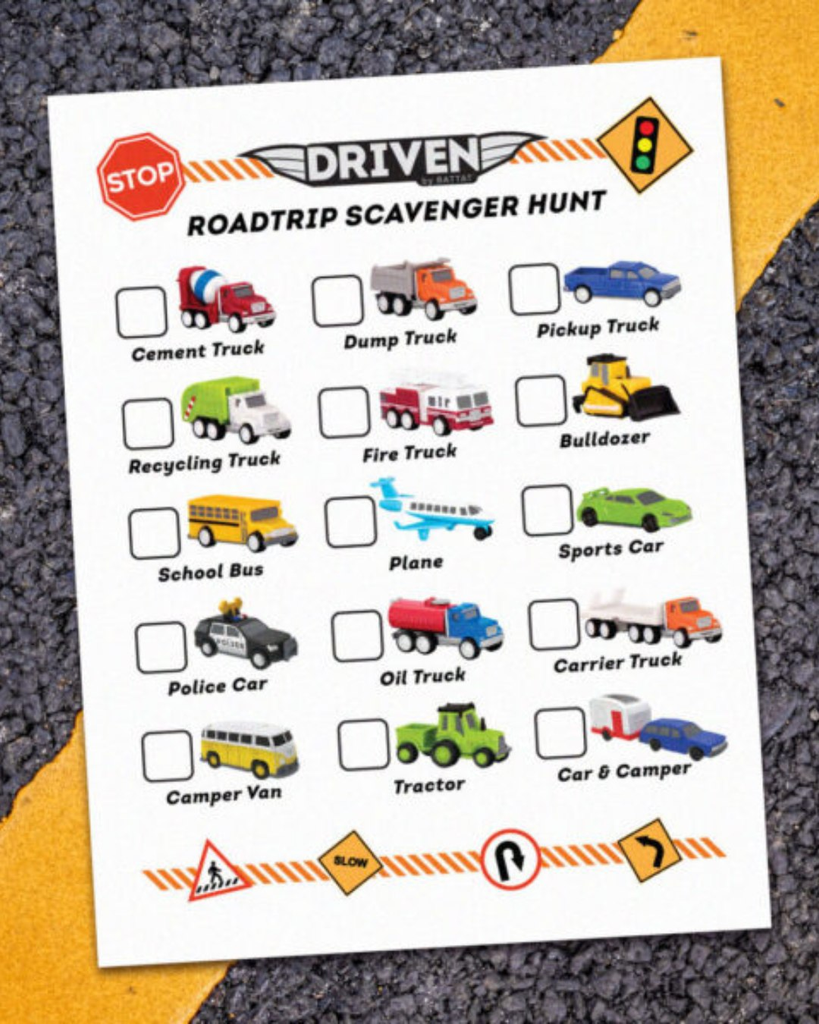
A small stack of index cards, each with one thing to spot out the window — a red truck, a cow, a specific road sign. This costs basically nothing to make and it’s one of the only ideas on this list that actually gets a kid looking outside instead of at a screen, which a lot of parents specifically ask for on longer drives.
6. Snack sorting kit with a divided container

Not a full meal — small portions of 3-4 different snacks in a divided container, refillable at rest stops. The mistake I made early on was packing one big bag of one snack, which gets boring fast and gets eaten (or dumped) in the first twenty minutes; variety in small portions actually stretches out longer and gives them something to do besides just eat.
For Airplane Trips
7. Tray table activity mat
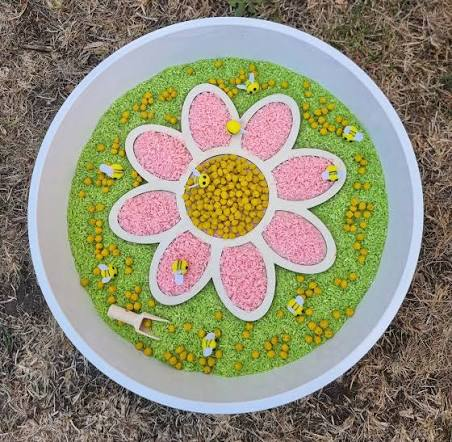
A rolled or folded felt or vinyl mat sized to a standard tray table, with small pieces attached (velcro dots work well) so nothing rolls off when the plane hits turbulence or the tray tilts during drink service. This solved the single biggest problem I had on flights before — literally everything sliding onto the floor the second the plane banked even slightly.
8. Mini reusable coloring wallet

A small zippered pouch with 5-6 laminated coloring pages and 4 dry-erase or washable markers, so the pages wipe clean and get reused instead of needing a fresh stack for every flight. This is a one-time build that pays for itself after the second or third trip, since you’re not buying a new coloring book every time.
9. Felt board story kit

A small piece of felt as the background plus a handful of felt cutout shapes (animals, weather, simple scenes) that stick to it without any adhesive, letting a kid build and rebuild little scenes silently — genuinely one of the best quiet-flight activities because there’s zero noise involved, which matters on a plane in a way it doesn’t in a car.
10. Pipe cleaner and bead kit in a spill-proof case
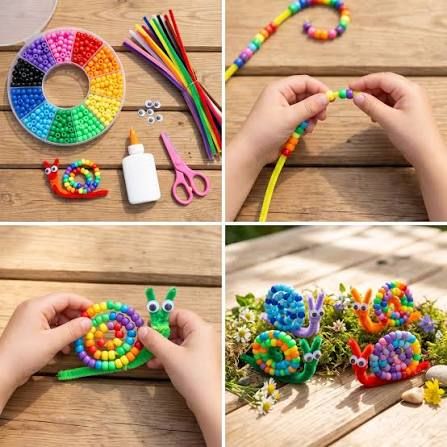
Small motor-skill activity — stringing beads onto pipe cleaners to make shapes, bracelets, or little figures — packed in a container with a tight seal so beads don’t end up in the seat pocket of the row behind you. This one needs actual supervision on a plane with a very young kid, so it’s better suited to ages 5 and up who can manage small pieces without immediately trying to eat them.
11. Reusable puffy sticker book
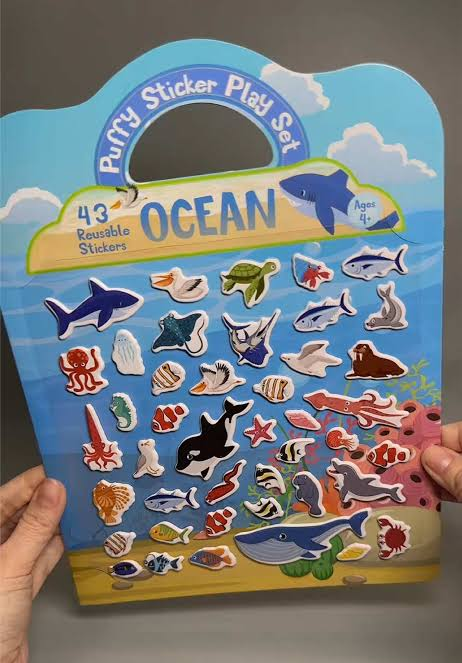
Puffy stickers peel off and restick multiple times without losing their grip, unlike flat stickers, which makes them genuinely reusable across an entire flight instead of a one-and-done activity. A small blank notebook works as the “book,” and you can theme the stickers to the destination if you want a little extra tie-in.
12. Mini flashlight and glow activity kit (for red-eye flights)
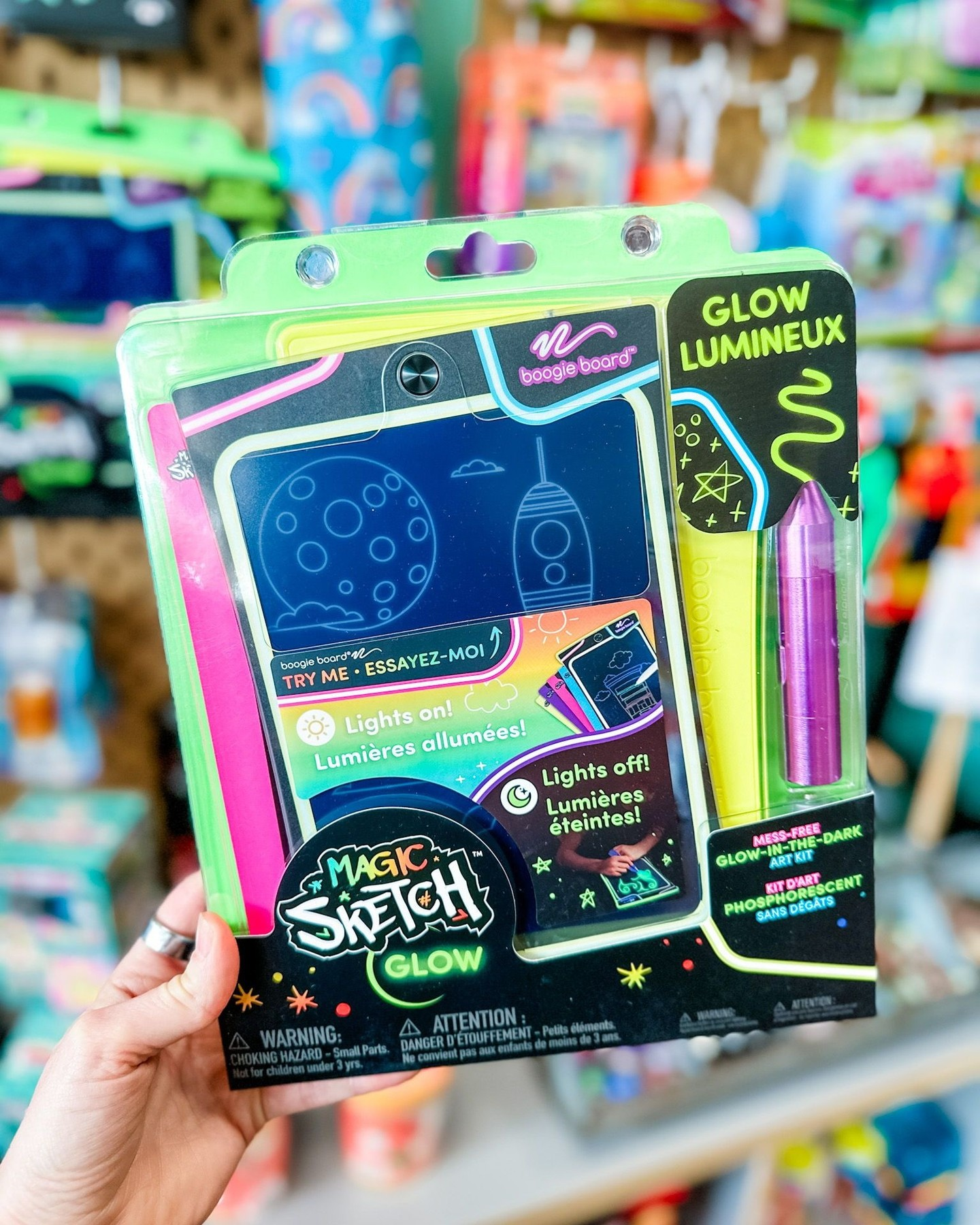
For overnight or dim-cabin flights specifically — a small keychain flashlight plus a few glow-in-the-dark items or a book meant for low light. This is a narrow use case, but if you fly red-eyes with kids even occasionally, it solves a real problem that none of the daytime kits address.
For Toddlers and Preschoolers (Ages 2-4)
13. Busy bag with large, chunky pieces
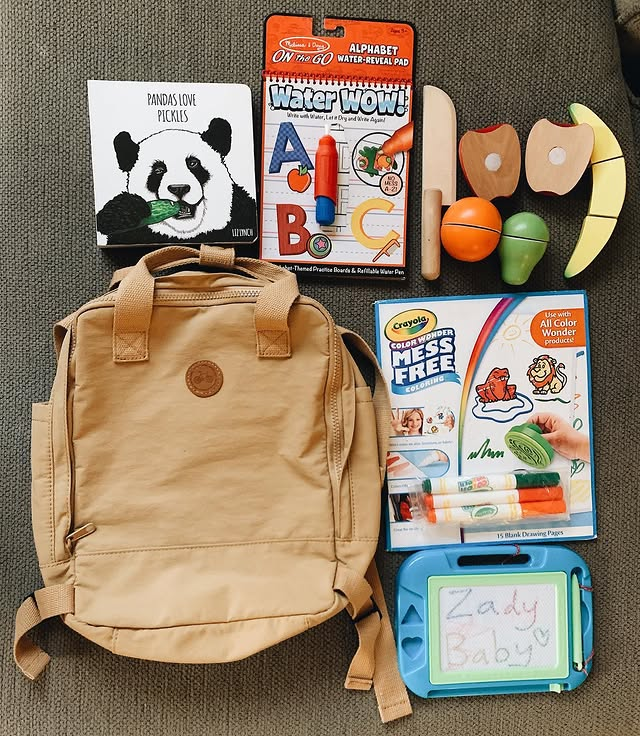
At this age, small pieces are a choking hazard, so the whole kit needs to be built around larger items — big buttons, chunky lacing beads, oversized felt shapes. Skip anything from the older-kid ideas on this list that involves small beads or loose pieces; it’s not that toddlers can’t enjoy them, it’s that they genuinely shouldn’t be unsupervised with them in a car seat where you can’t watch closely.
14. Texture touch-and-feel book, DIY version
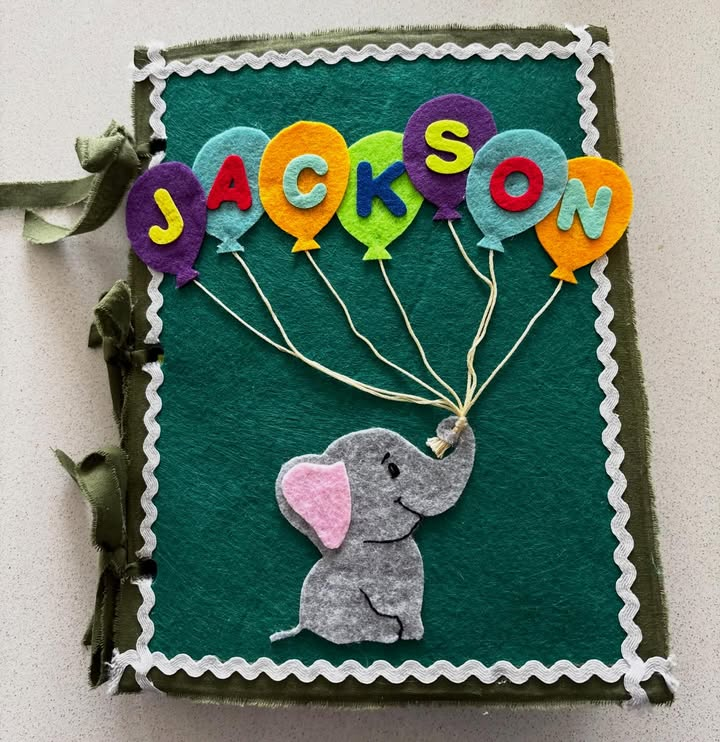
A small handmade book with different fabric swatches glued to each page — felt, corduroy, silky ribbon, bubble wrap under a laminate layer. This is a genuinely good option for the youngest kids on this list because it doesn’t require any fine motor skill or attention span beyond just touching things, which is realistically all you can count on from a 2-year-old on a trip.
15. Soft, washable “quiet book” pages
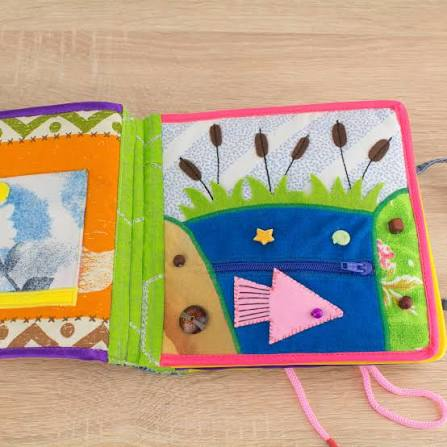
A cloth activity book with simple zippers, buttons, and snaps sewn on for a toddler to practice fastening and unfastening — this is a bigger sewing project than most on this list (plan a weekend, not an evening) but it’s durable enough to survive years of trips, not just one.
16. Peekaboo animal flashcards

Simple laminated cards with a flap that lifts to reveal a hidden animal underneath. Easy to make with cardstock, laminate, and a strip of washi tape as a hinge, and it holds a toddler’s attention far longer than a flat picture card because there’s a small element of surprise built in.
For School-Age Kids and Tweens
17. Trip journal with prompts

A small blank notebook with a handful of pre-written prompts taped or written on select pages (“draw something you saw today,” “what was the best food you ate”) rather than a fully blank journal, which a lot of kids stare at without knowing where to start. My reader comment section actually flagged this distinction to me once — someone mentioned their kid abandoned a blank journal within a day but used a prompted one the whole trip, and that stuck with me.
18. Travel-size capsule wardrobe planning kit (for tweens packing themselves)
Less an activity, more a system — a small laminated outfit-planning grid where a tween can lay out their own outfits for each day using cut-out clothing images or a simple checklist. This works well specifically for kids old enough to want independence in packing but who still need some structure so you’re not finding out they packed zero socks the morning you leave.
19. Mini travel scrapbook kit

A small book plus a glue stick, some blank tags, and a mini envelope for holding ticket stubs or small souvenirs collected along the way, so the “kit” doubles as the start of a keepsake rather than just a distraction. This is one of the few ideas on this list that gets better and more meaningful the longer the trip is, instead of losing appeal after a few uses.
20. DIY travel bingo, destination-specific

Instead of generic road trip bingo, build a card specific to where you’re actually going — airport-specific items, theme-park-specific rides, city-specific landmarks. It takes maybe twenty minutes to customize in a basic table or grid template, and it holds attention better than a generic version because the kid is actually looking for real things around them.
21. Portable card and dice game pouch

A small pouch with a travel-sized deck of cards and a couple of small dice games, chosen specifically for games that work on a tray table or a car seat armrest without a flat surface bigger than about a foot wide. Not every card game translates to a cramped space — anything requiring cards laid out in a big spread doesn’t work, so stick to games playable in-hand.
For Siblings Traveling Together
22. Shared “mission” kit with individual roles

Instead of identical kits for each kid, build one shared kit around a small collaborative task — a scavenger hunt where one sibling has the list and the other has the pencil, for instance — which cuts down on the “they have the exact same thing but somehow mine is better” complaint that identical kits weirdly still trigger.
23. Color-coded individual pouches from one shared supply set

Buy activities in bulk once, then split them into individual pouches marked by color so there’s no ambiguity about whose is whose. This solved an actual recurring argument in my own family — buying two of literally everything got expensive fast, and it turned out the real issue wasn’t the activities, it was just needing clearly separate ownership.
24. Take-turns silent auction box
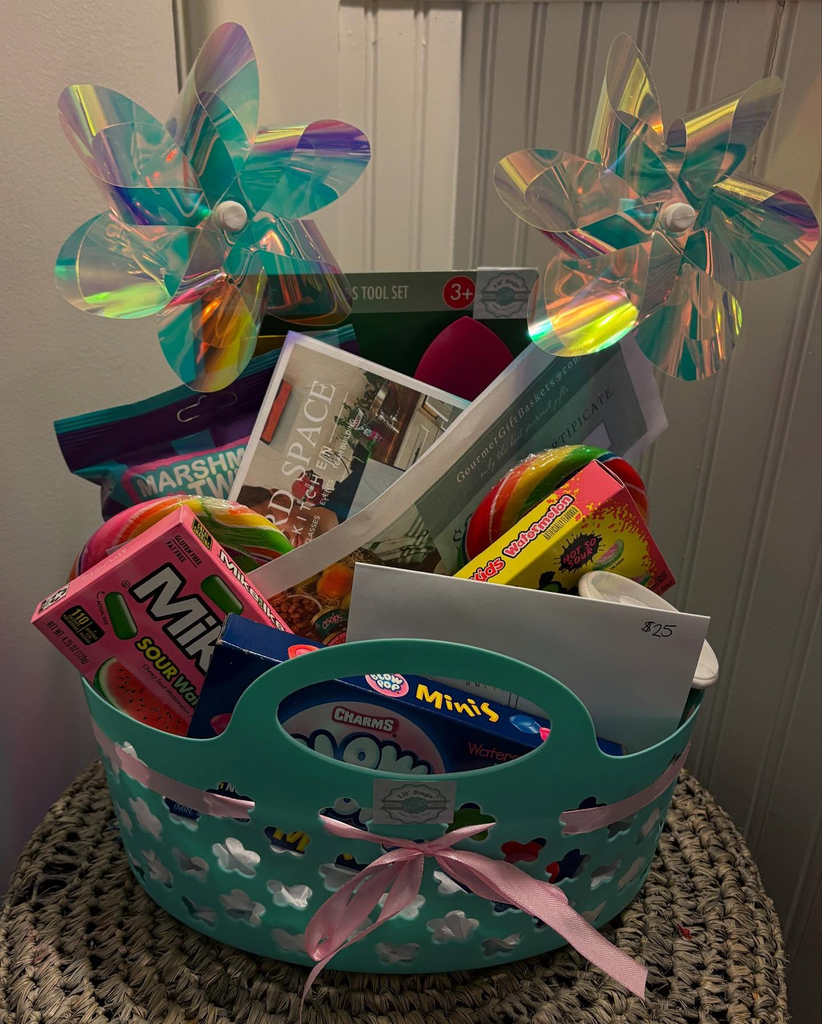
A small box with a handful of wrapped or covered mystery activities inside, and siblings take turns picking one without seeing what’s inside first. It adds a little suspense to otherwise ordinary activities and, more usefully, removes the fighting over who gets to pick which specific item, since nobody knows what they’re getting until they open it.
Reusable vs. One-Trip Kits: What’s Actually Worth Building
| Kit type | Reusable across trips? | Setup time | Best age range |
|---|---|---|---|
| Laminated activities (sticker scenes, coloring wallet, flashcards) | Yes, many trips | 30–60 min | 3–8 |
| Felt-based (story kit, quiet book) | Yes, years of use | 1–2 hrs (quiet book: a weekend) | 2–7 |
| Sensory bottles / busy bags | Yes, occasional refresh | 20–30 min | 2–5 |
| Journals / scrapbooks | One trip (that’s the point) | 15 min to assemble | 7+ |
| Bingo / scavenger hunt cards | Reusable template, new content per trip | 20 min per trip | 5–12 |
| Card/dice pouches | Yes, indefinitely | 5 min (just gather items) | 6+ |
If you’re building your first kit and don’t want to commit a whole weekend to it, the laminated and felt-based options are genuinely worth the slightly longer setup time up front — they’re the ones you’ll actually reach for on trip after trip instead of rebuilding from scratch every time you travel.
Where I’d Start If I Were Packing for That Flight Again
If I could go back to that flight over Nebraska, I wouldn’t try to build all 24 of these — I’d pick two or three that actually match the trip in front of me, put them in a real container that closes, and stop there.
The instinct is always to over-pack activities the same way you over-pack clothes, and it backfires the same way too: too many choices and a kid ends up overwhelmed and dumping all of it out anyway.
Start with one solid quiet-flight kit and one car-ride kit, actually use them a couple of times, and you’ll figure out fast which of these ideas fit your specific kid instead of guessing from a list.


Leave a Reply