
The first time we camped without hookups, I ran our water pump dry at 11pm trying to wash dishes and didn’t realize it until the pump started making a sound like a dying appliance.
That was the night I learned RV life runs on a completely different set of rules than regular life, and most of what I know now came from either messing something up first or watching someone smarter than me avoid the mistake I was about to make.
That’s really what an RV hack is, if you think about it — not a cute trick, but a workaround for a problem that only exists because you’re living in 200-400 square feet on wheels with limited power, limited water, and things that vibrate loose on every drive.
I’ve grouped these by the actual problem they solve — storage, power, water, kitchen, and general sanity — because that’s how you’ll actually remember and use them, not as one long undifferentiated list.
One thing before we start: a lot of “RV hacks” content online is recycled advice that sounds good but doesn’t hold up past a weekend trip. I tried to keep this list to things that actually survive repeated use, including a few I switched away from because they didn’t.
Storage Hacks
1. Use Tension Rods to Stop Cabinet Contents From Sliding
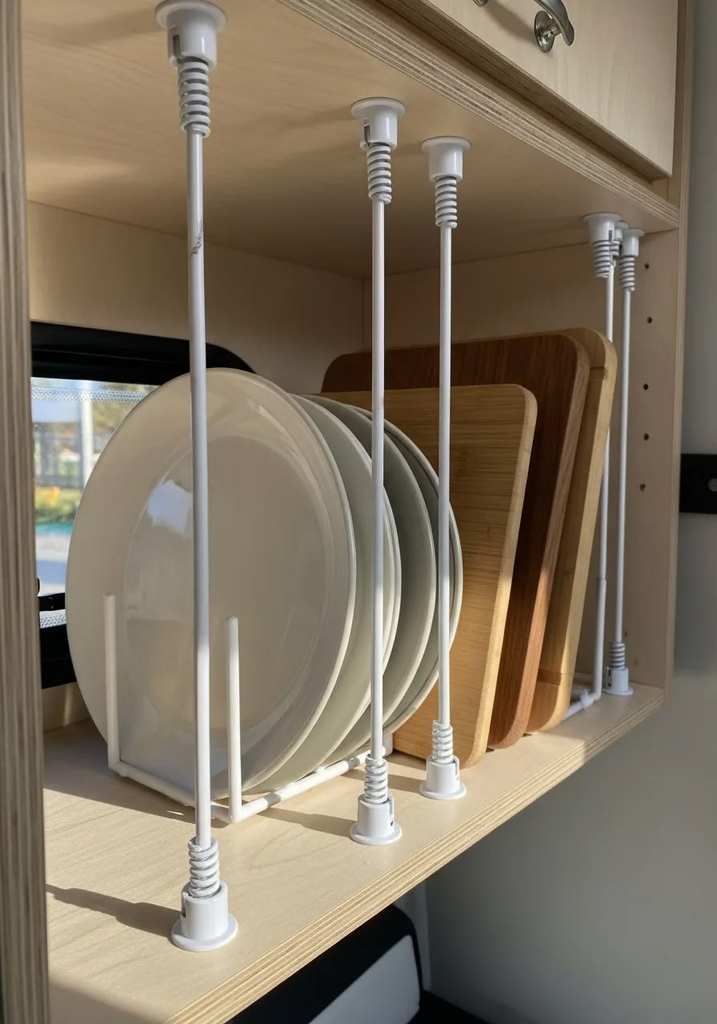
This is the single most-repeated RV hack for a reason — it actually works. A cheap spring-tension curtain rod mounted inside a cabinet, just in front of stacked plates or cups, keeps everything from sliding into a pile every time you take a corner.
Pro tip: Buy the rods with a rubberized grip end, not the smooth plastic ones — smooth ends slip loose from vibration over a few hundred miles and you’ll find your rod on the floor with everything it was holding.
2. Add Cabinet and Drawer Locks Rated for RV Use
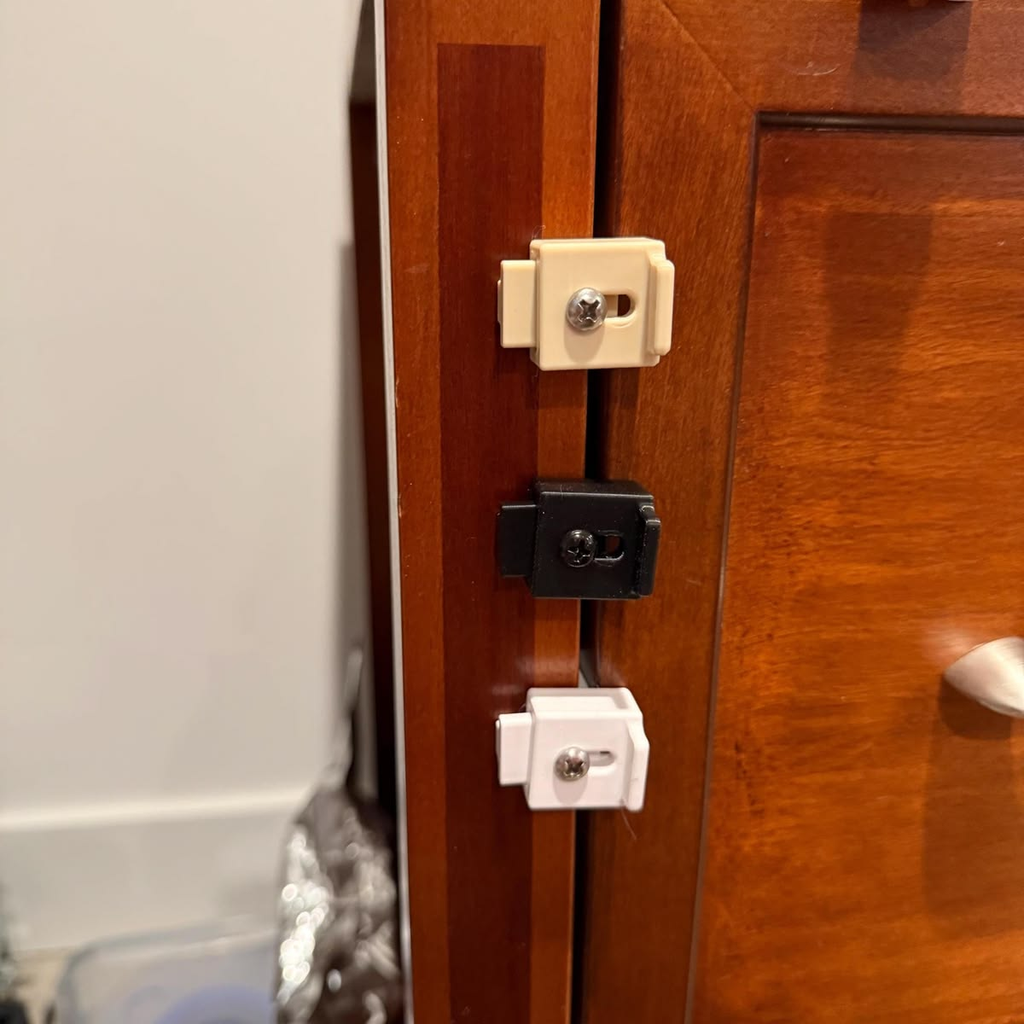
Standard childproof cabinet locks aren’t built for constant vibration and will pop open on rough roads. RV-specific push-button or slide-bolt cabinet catches are worth the few extra dollars — they’re designed specifically to stay shut through the kind of shaking a house cabinet never experiences.
3. Use Command Hooks Instead of Nails for Anything Removable
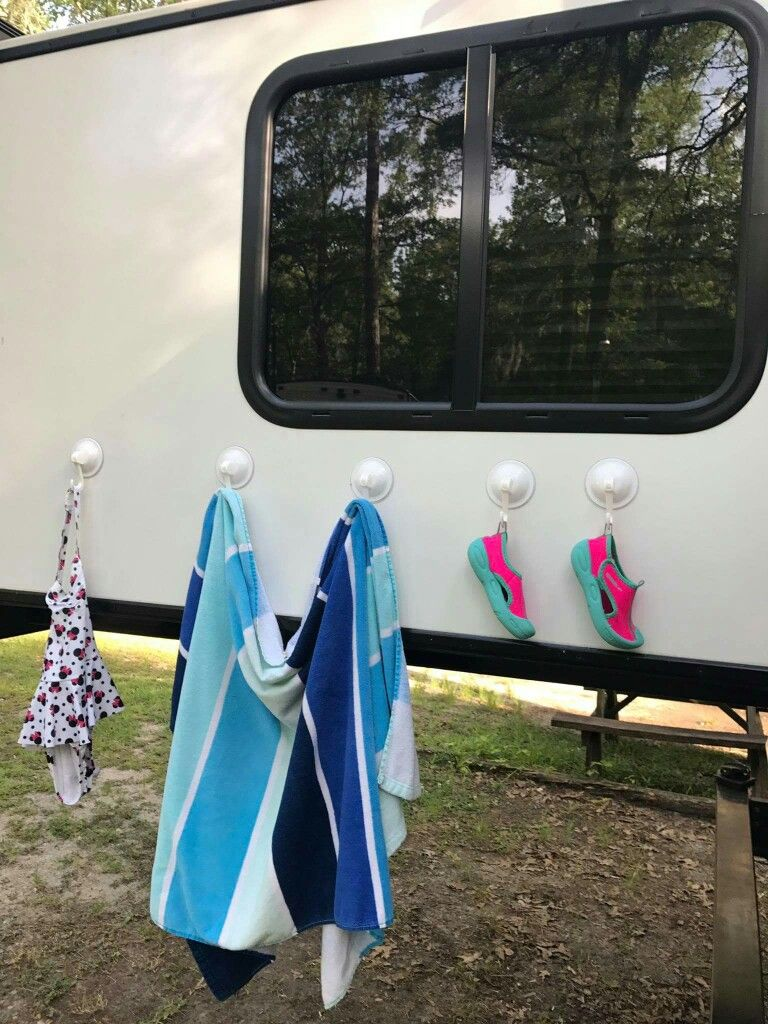
RV walls are usually thin luan paneling or a vinyl-wrapped composite, and nails or screws either don’t hold well or leave damage that matters at resale.
Heavy-duty Command hooks rated for a few pounds work for hanging towels, small pans, or a broom, and they come off clean.
I made the mistake early on of using the cheap small hooks for our bath towels, and they gave out within a week in the RV’s bathroom humidity — the “outdoor” or “heavy duty” rated versions hold up noticeably better in a shower-adjacent space than the basic ones.
4. Use a Shoe Organizer on the Back of a Closet Door for Everything But Shoes
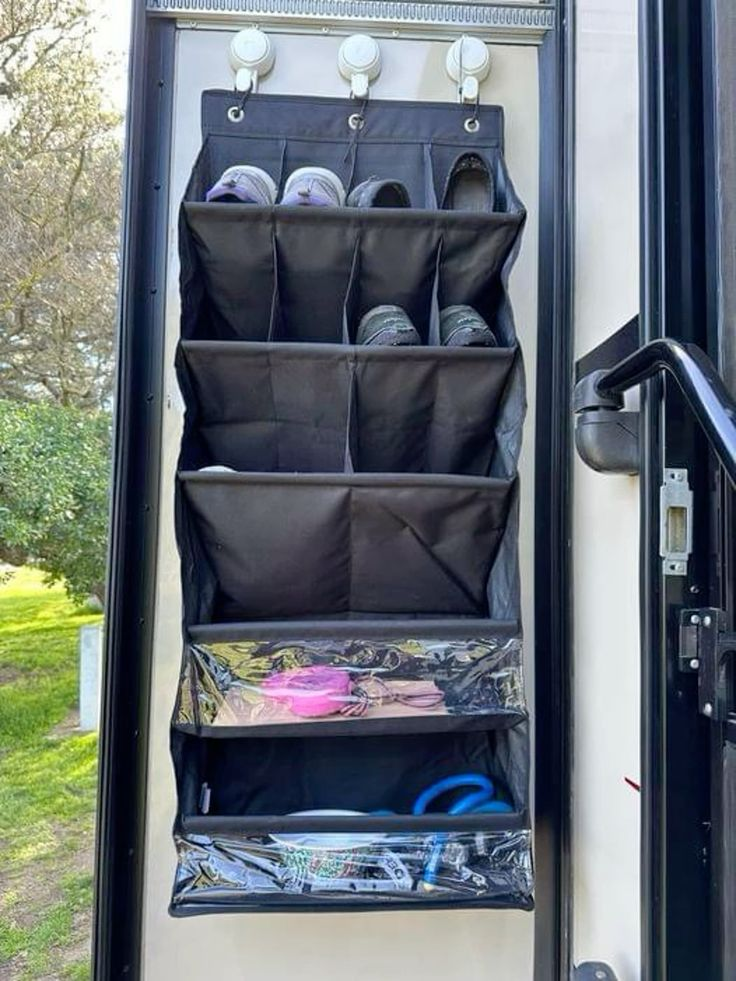
This one gets recommended a lot, but people usually stop at “put your shoes in it.” The bigger win is using the pockets for spice jars, cleaning supplies, first aid stuff, or phone chargers — anything small that would otherwise roll around a drawer.
It’s flat, it doesn’t take floor space, and it uses a door that’s otherwise wasted vertical real estate.
5. Use Under-Bed Storage Bins With Handles, Not Loose Totes
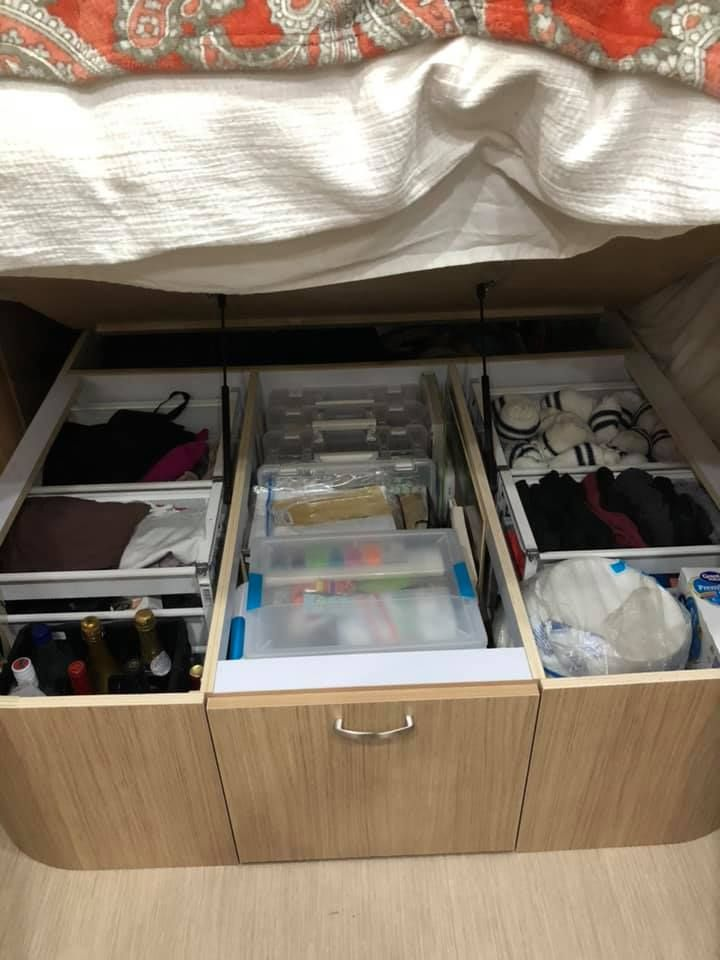
Most RV beds have a lift-up platform with dead storage underneath, but loose bins slide and jam against each other when you open it while parked on uneven ground.
Bins with cutout handles let you actually pull individual bins out instead of digging, and labeling the short ends (not the tops, which you can’t see once stacked) saves a surprising amount of frustration.
Power and Electronics Hacks
6. Get a Portable Power Station Before You Assume You Need Solar
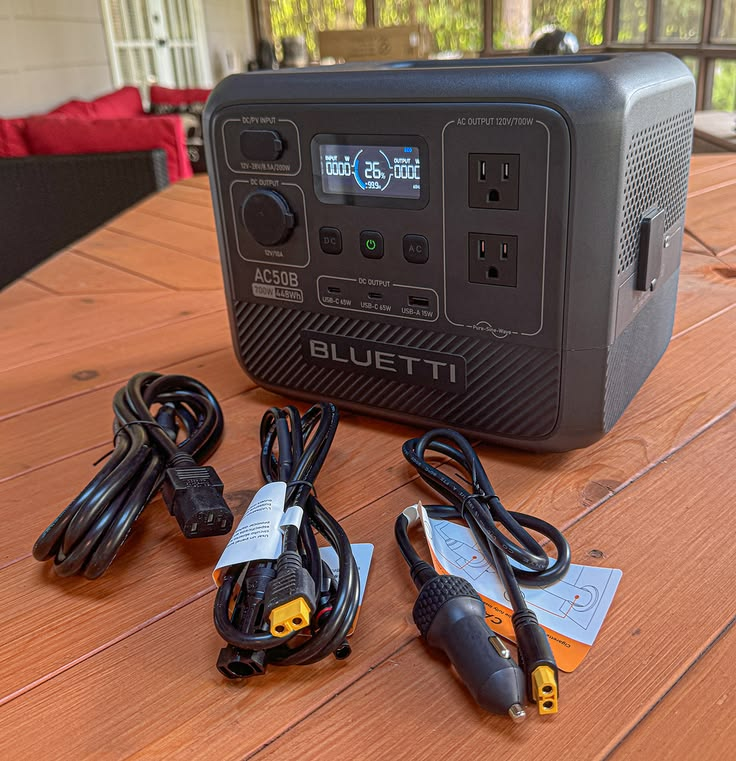
A lot of new RVers jump straight to solar panel installation, which is a bigger investment and a real project.
A portable power station (like a Jackery or Bluetti) covers a surprising amount of boondocking power needs — phone charging, CPAP machines, laptops, small fans — for a fraction of the cost and zero installation, and you can add solar panels to charge it later if you actually need more capacity.
Pro tip: Check the actual wattage draw of what you plan to run before buying based on battery capacity alone. A power station rated for 500Wh sounds like a lot until you realize a CPAP machine alone can use 30-40Wh per hour overnight, which eats into that number fast.
7. Label Your Breaker Panel the First Week You Own the RV
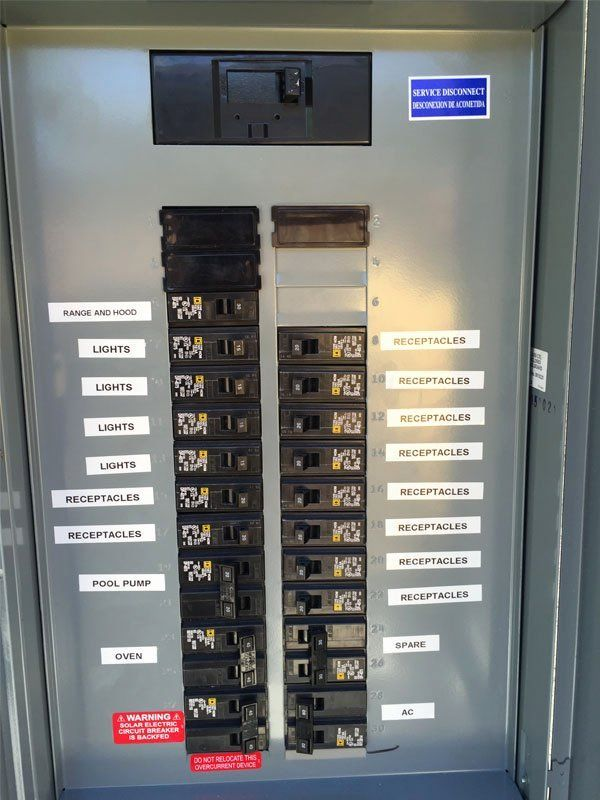
Factory labels are often vague (“AC,” “misc,” “aux”) or missing entirely, and you will absolutely need to know which breaker controls what the first time something trips at an inconvenient moment.
A five-minute labeling session with a label maker saves you from flipping switches in the dark trying to figure out why your fridge stopped running.
8. Use a Surge Protector at Every Campground Hookup
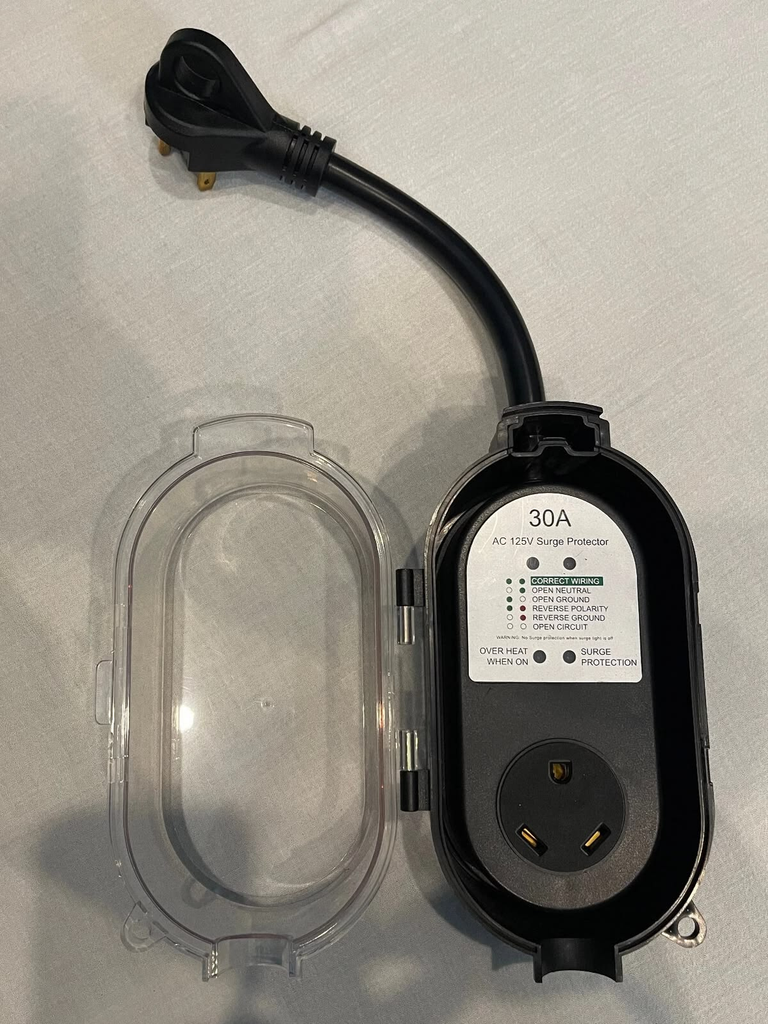
This isn’t optional if you’re plugging into unfamiliar campground power pedestals — miswired pedestals are more common than people expect, and a surge protector that catches a wiring fault before it reaches your RV’s electrical system is a $100-150 investment against a repair bill that can run into the thousands.
9. Keep a Small 12V Fan Running at Night Instead of the AC
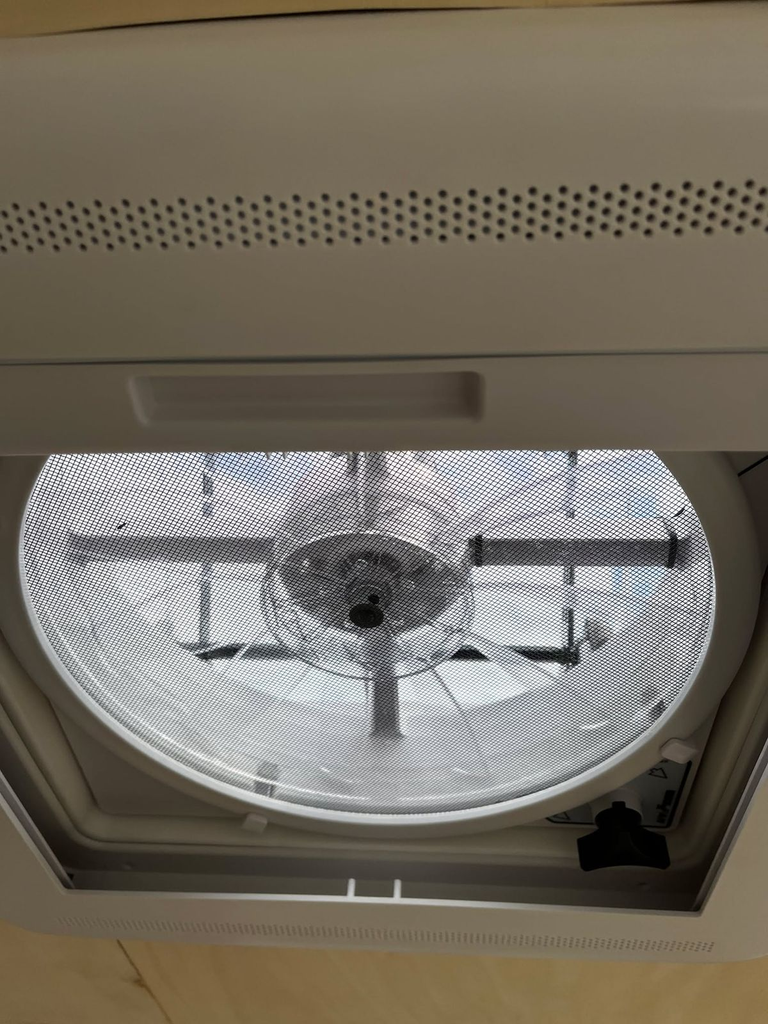
RV air conditioners draw a lot of power and are loud enough to disrupt sleep for some people.
A clip-on 12V fan pointed at the bed uses a fraction of the power and, combined with cracking a roof vent, keeps a lot of RVers comfortable on mild nights without running the AC compressor all night.
Water and Tank Hacks
10. Use a Water Pressure Regulator at Every Hookup, No Exceptions
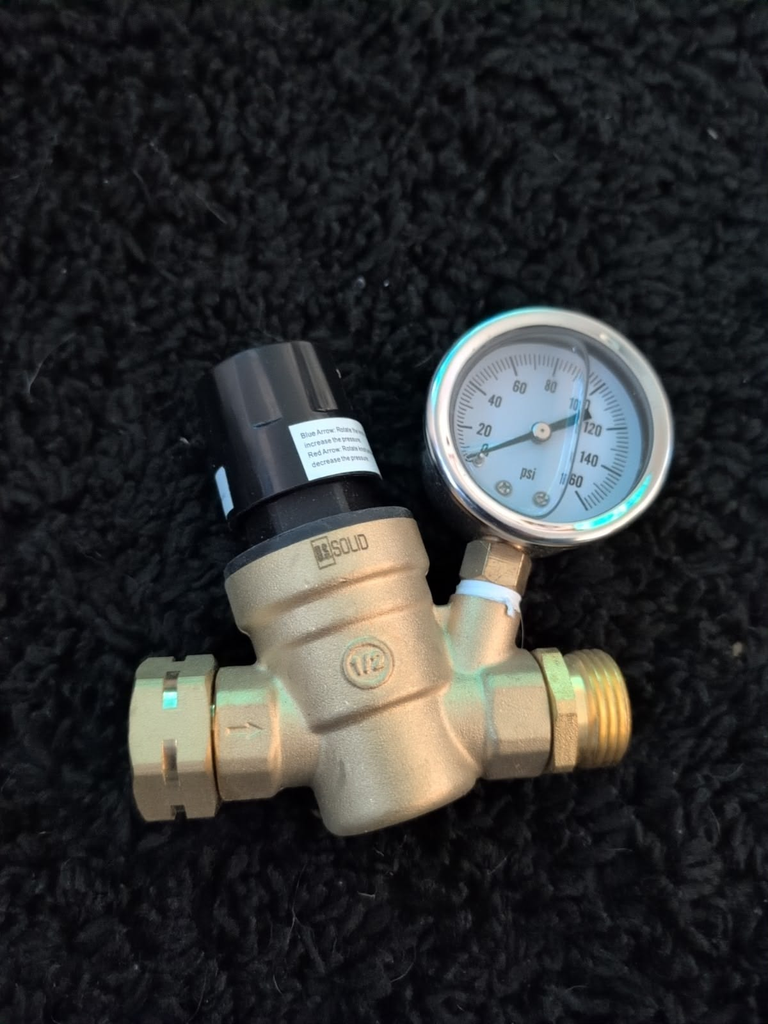
Campground water pressure varies wildly, and RV plumbing lines are much thinner-walled than residential plumbing — a pressure spike that a house handles fine can blow a fitting in an RV.
A brass inline pressure regulator costs under $20 and is one of those things that seems unnecessary until the one time it isn’t.
11. Add a Fresh Water Hose Reel or Bag, Not a Loose Coiled Hose
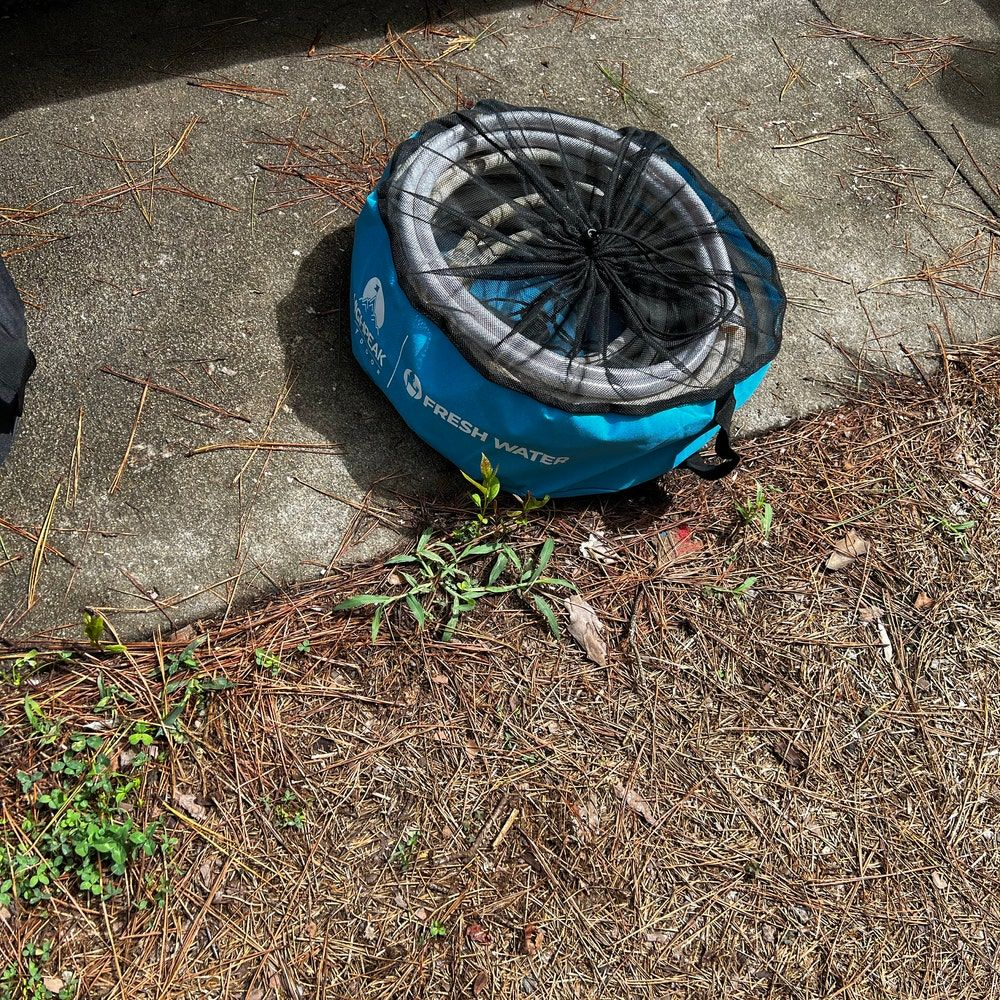
A loose drinking-water hose gets dirty dragging on the ground and tangled in storage.
A dedicated reel or a hose storage bag keeps your fresh water hose separate from your sewer hose (never mix these up — some RVers color-code with tape, white for fresh, and it genuinely prevents a bad mistake) and keeps it from picking up dirt that ends up in your tank.
12. Use Tank Treatment Tablets Instead of Liquid, and Actually Track Your Dump Schedule
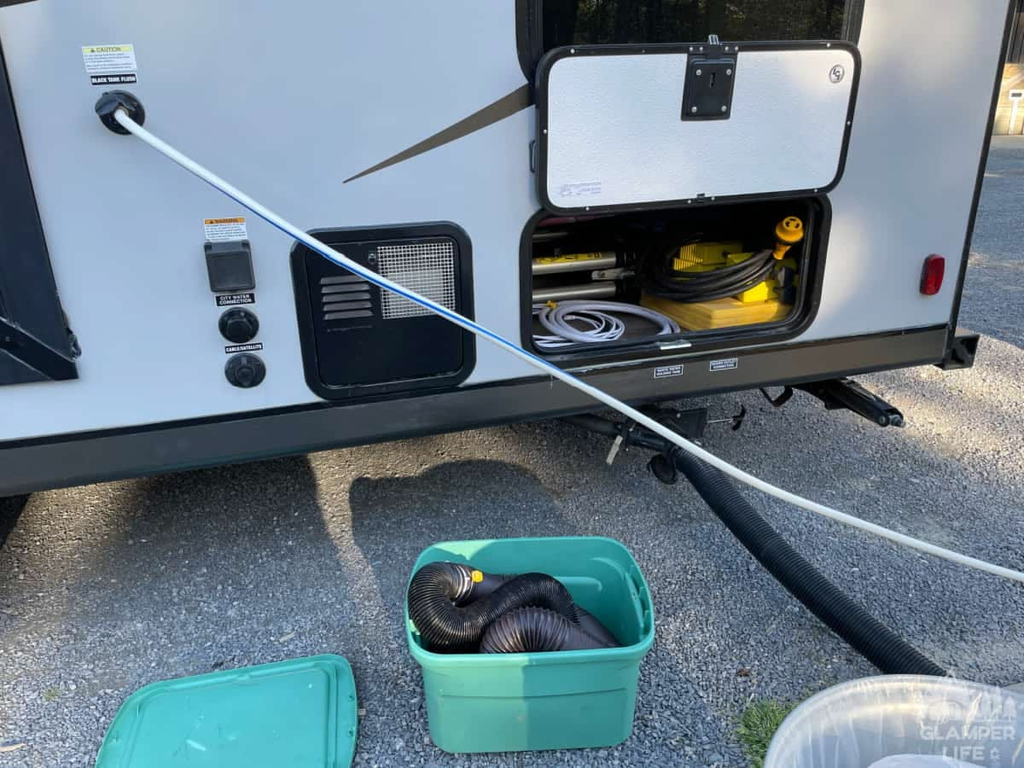
Liquid black tank treatments are messier to store and measure than drop-in tablets, and a lot of full-timers switch after one spill in a storage bin.
Beyond the product itself, keeping an actual note (phone reminder, not memory) of when you last dumped tanks prevents the surprise of a full black tank at the worst possible moment — usually mid-trip, far from a dump station.
Pro tip: Always dump black water before gray water, never the reverse. Dumping gray first means the gray water that follows helps rinse the hose, whereas dumping gray after black just leaves residue sitting in your sewer hose.
Kitchen Hacks
13. Use Non-Slip Drawer Liner Under Everything, Not Just in Drawers
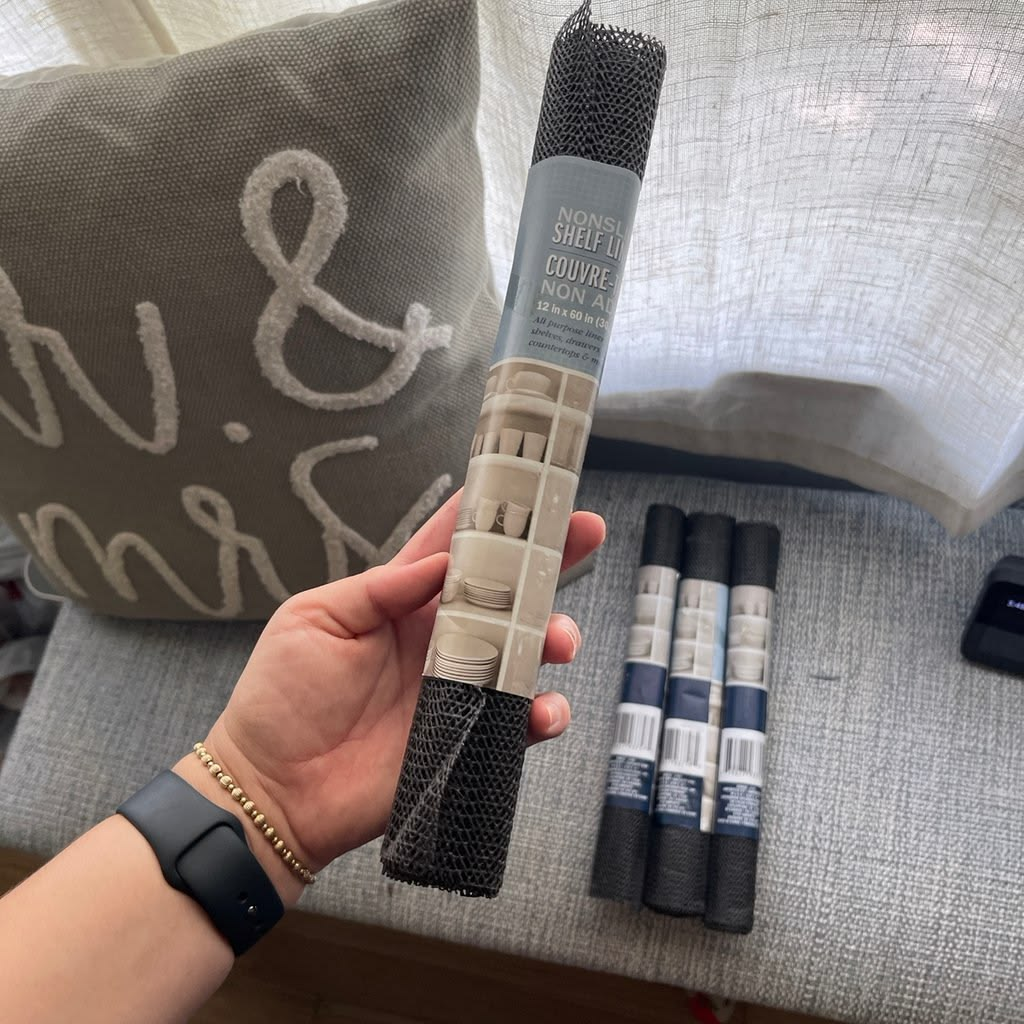
Most people put non-slip liner in drawers and stop there. Lining open shelves, the inside of upper cabinets, and even under a fruit bowl on the counter cuts down dramatically on things sliding and clattering while driving.
14. Cook With a Multi-Function Electric Pot Instead of Running the Propane Stove for Everything
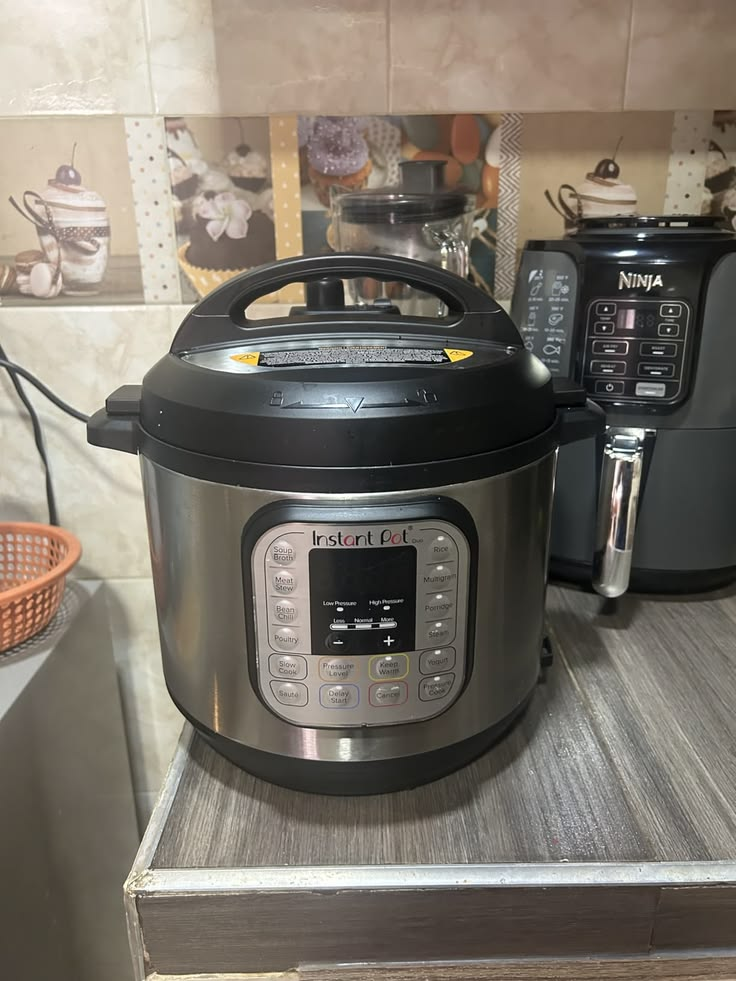
An electric pressure cooker or multi-cooker that plugs into shore power or an inverter saves propane, doesn’t heat up the whole RV in summer the way a gas stove does, and does double duty as a rice cooker, slow cooker, and steamer in one appliance that takes up one cabinet slot instead of several.
15. Store Spices in Magnetic Tins on the Side of the Fridge
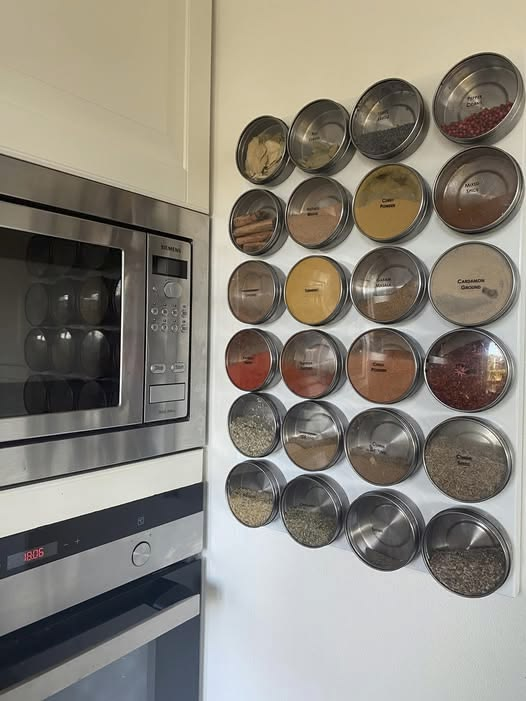
RV fridges are almost always metal-sided on the exterior panel, which makes them a free, unused storage surface. Small magnetic spice tins stick there and free up a whole cabinet shelf that would otherwise hold a spice rack.
16. Freeze Water Bottles Instead of Buying Ice for Short Trips
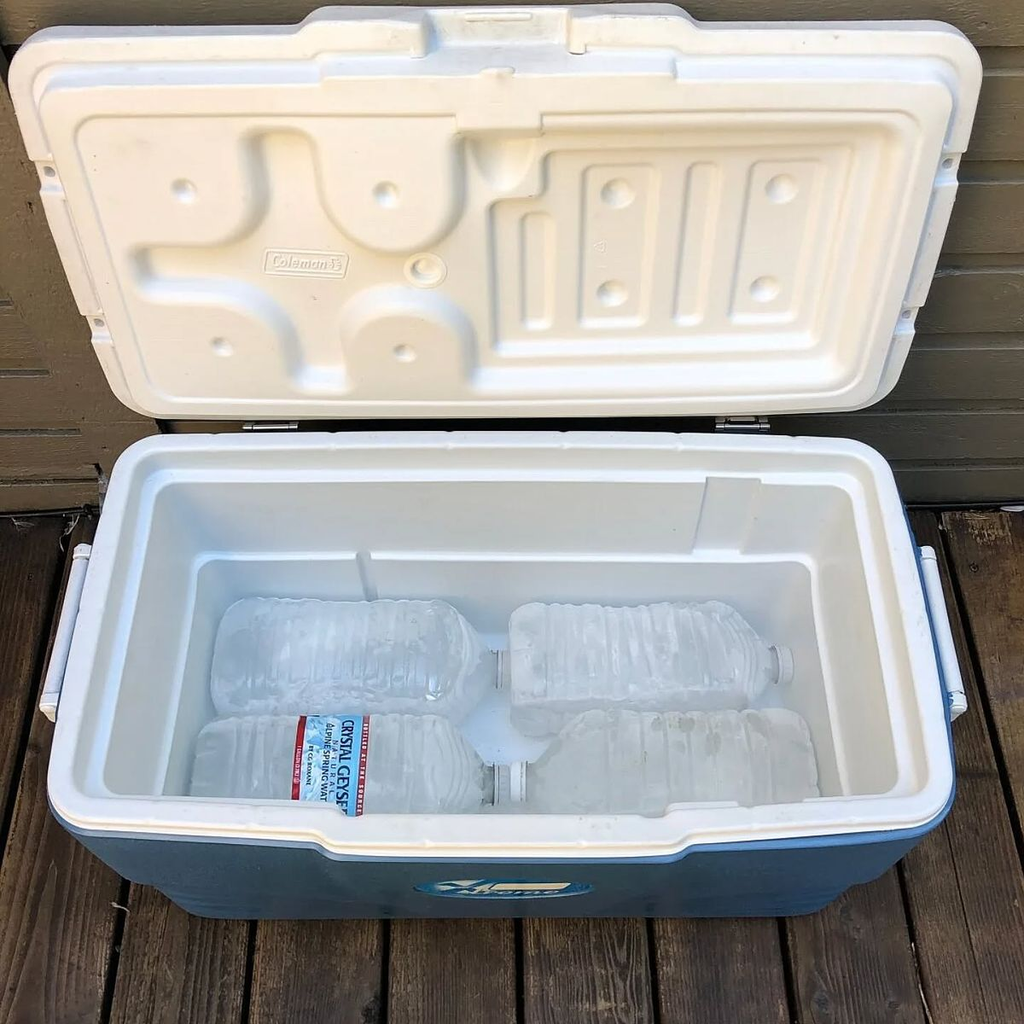
For weekend trips, frozen water bottles do double duty as ice packs in the fridge or cooler and then become drinking water as they melt, which means you’re not buying (and later draining melted) a bag of ice that just becomes wasted water weight and mess.
17. Use Command Strips to Secure Small Appliances on the Counter
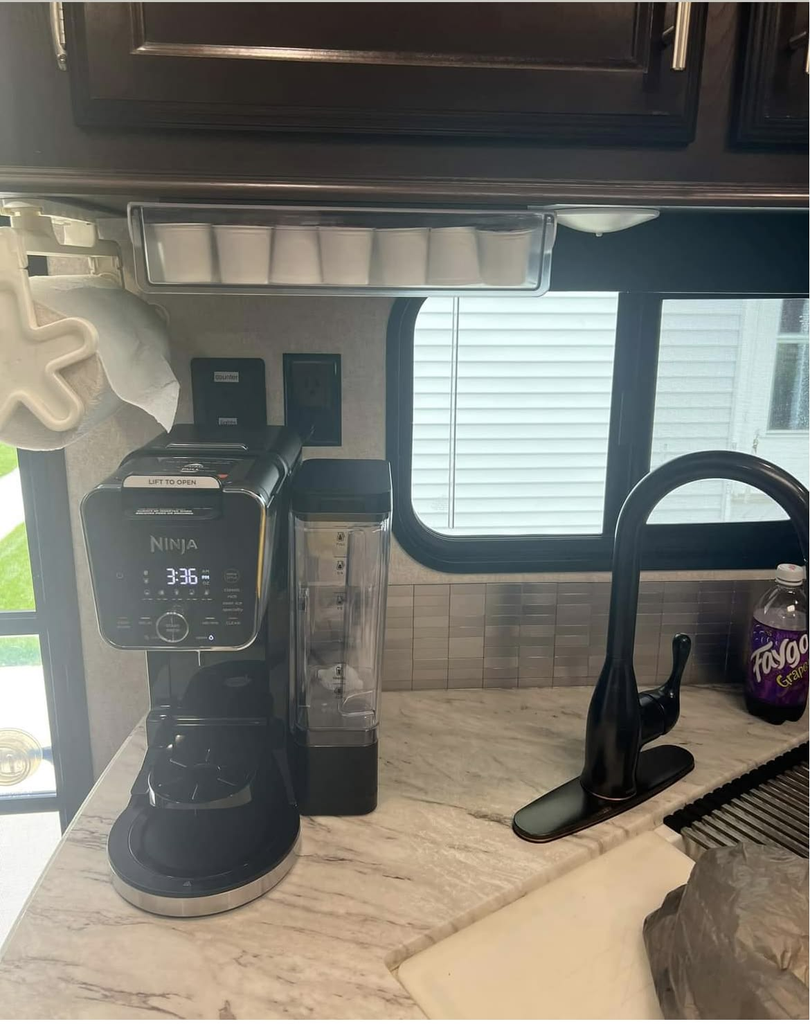
A stand mixer or coffee maker that isn’t secured will slide off the counter on a rough turn.
Industrial-strength Command strips under the base, paired with a bit of tension from a nearby cabinet, keeps countertop appliances from becoming projectiles — which sounds dramatic until it happens to you once.
General Life-on-the-Road Hacks
18. Keep a Written (or Photo) Pre-Departure Checklist
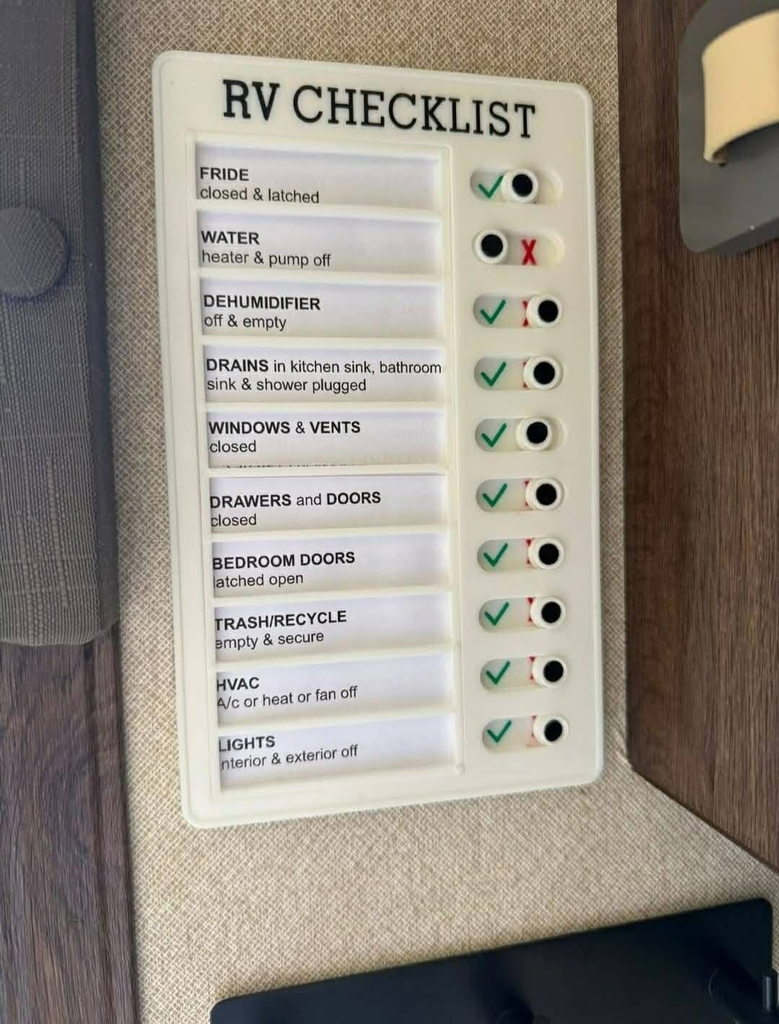
Slide-ins retracted, awning up, steps in, propane off, water hose disconnected — these seem obvious until you’re tired, it’s raining, and you’re trying to leave a site quickly.
A laminated checklist taped inside a cabinet, or even just a photo of a written list saved to your phone, prevents the classic “drove off with the steps still down” mistake that almost every RVer has a story about.
19. Use a Doormat System to Keep Dirt Outside
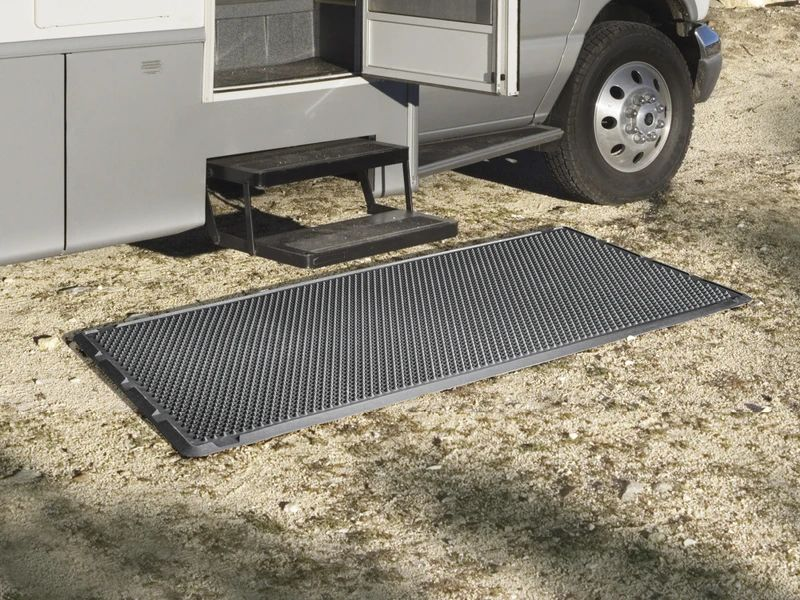
A rougher outdoor mat right at the base of the steps, then a second, softer mat just inside the door, cuts down dramatically on the amount of dirt, sand, and gravel that ends up ground into your new flooring.
It sounds too simple to matter, but the difference in how often you’re sweeping is real.
20. Get a Cell Signal Booster if You Work Remotely From the Road
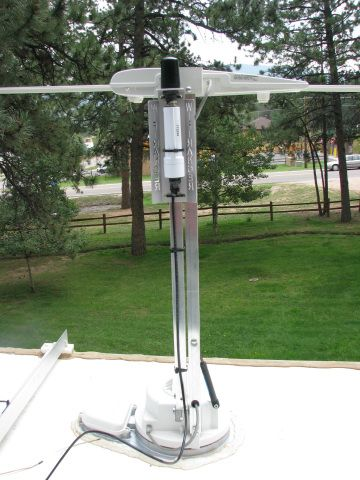
Standard phone signal drops fast in more remote camping areas, and a dedicated RV cell booster (mounted to an exterior antenna) pulls in a usable signal in spots where an unassisted phone gets nothing.
This matters a lot more if you’re trying to hold a work call from a campsite than if you’re just checking email occasionally.
21. Use a Portable Bluetooth Speaker as a Baby Monitor or Pet Check-In
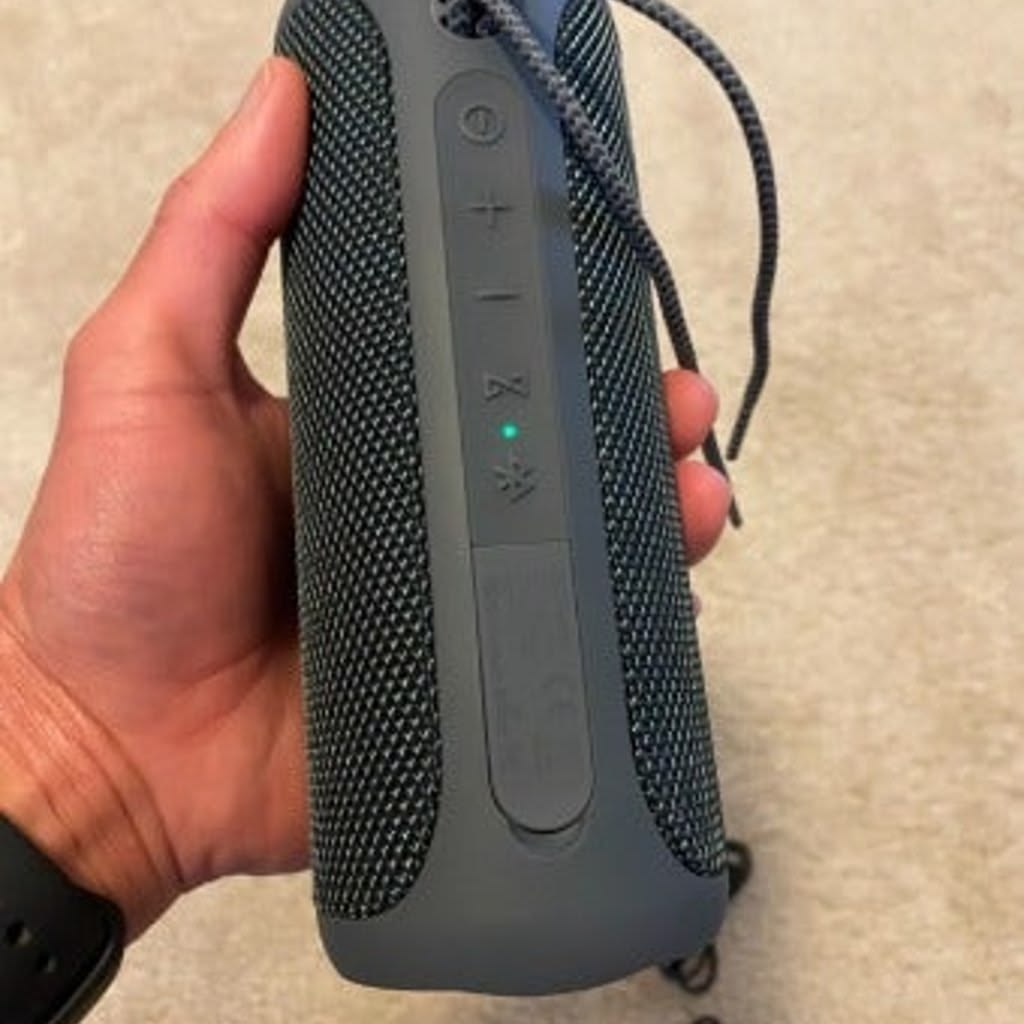
If you’re stepping outside to the campfire and want to keep an ear on a sleeping kid or an anxious dog inside, an old phone running a video call app connected to a small speaker works as a makeshift monitor without buying dedicated equipment — a trick I picked up from a reader comment on an earlier post, and it’s stuck with me since.
22. Keep a Small Tool Kit and Spare Fuses On Board at All Times
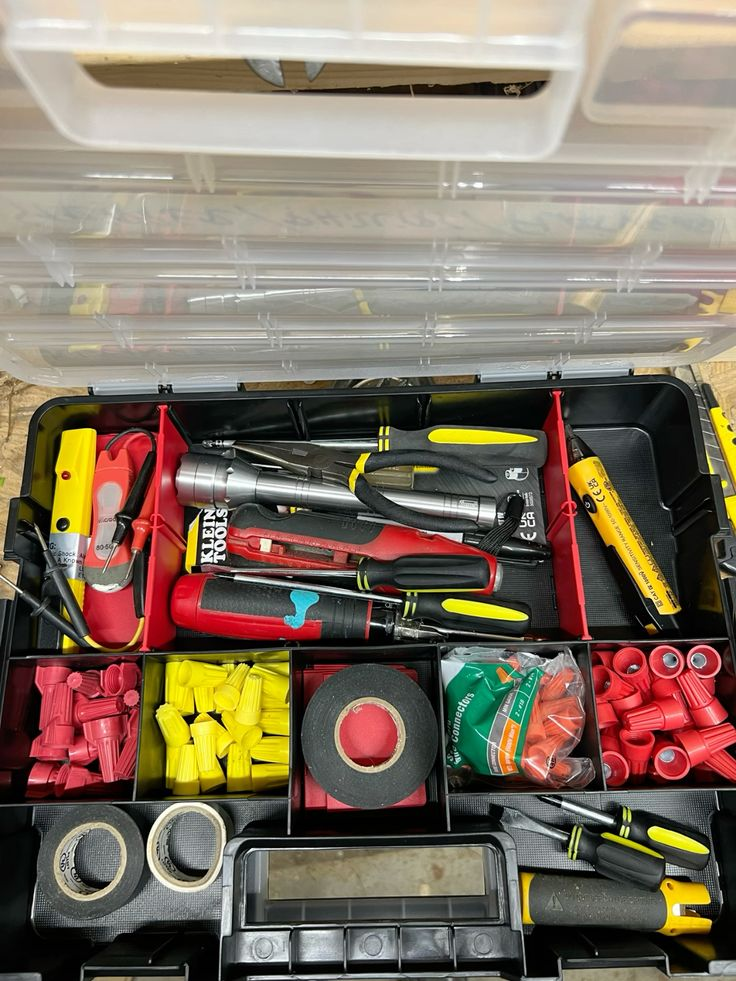
RVs shake loose screws, blow small fuses, and develop minor issues on the road more than a stationary home ever does.
A basic kit — screwdrivers, a multi-bit driver, electrical tape, zip ties, and a small assortment of the specific fuse sizes your RV uses (check your owner’s manual, they’re not universal) — turns a lot of “we have to find a service center” moments into a five-minute fix at the campsite.
Where I’d Actually Start
If you’re setting up a new-to-you RV and don’t know where to begin, start with the water pressure regulator (#10) and the surge protector (#8) before anything else — those two protect you from expensive damage, and everything else on this list is about comfort and convenience, not prevention.
After that, I’d do the tension rods and cabinet locks (#1 and #2), because nothing makes a trip feel chaotic faster than opening a cabinet to a landslide five minutes after you’ve parked.
Most of these hacks cost under $30 individually, and none of them require any real skill — they’re just the accumulated knowledge of people who made the mistake first so you don’t have to.
That’s really the whole appeal of RV life once you get the hang of it: it’s less complicated than it looks, as long as you know the handful of things that actually go wrong.


Leave a Reply