
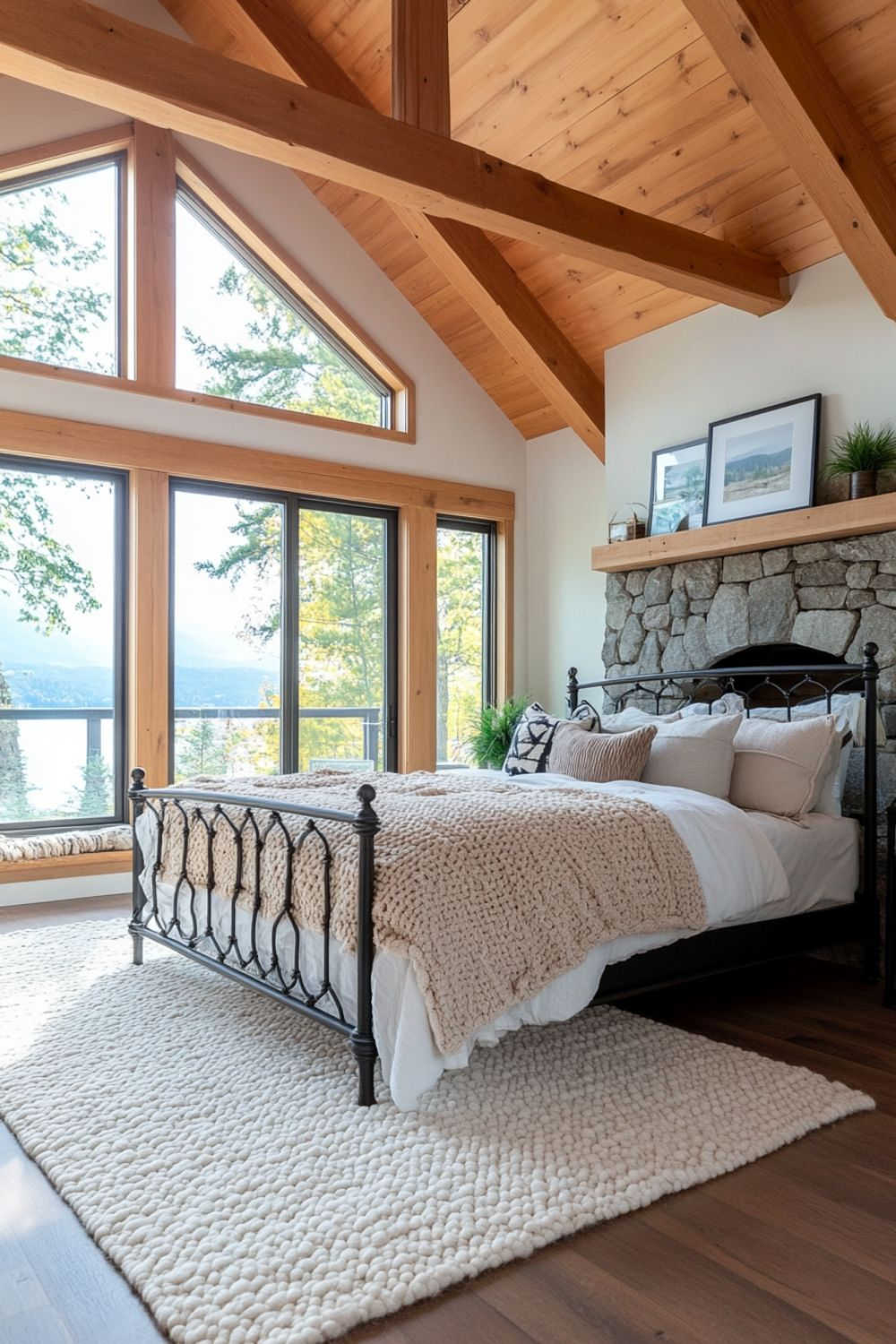
The first year we hosted at the lake house, I put my in-laws in a guest room with a mattress I genuinely can’t believe I let anyone sleep on — it was a decade-old hand-me-down that sagged in the middle like a hammock.
My father-in-law was too polite to say anything, but my mother-in-law mentioned “the dip” every single visit for two years after that until we finally replaced it.
That’s the thing nobody tells you about lake house bedrooms: they get treated like an afterthought compared to the living room and kitchen, but they’re the room your guests actually spend eight hours a night evaluating, whether they say so or not.
Lake house bedrooms have their own specific list of problems that a normal bedroom doesn’t: rooms that sit closed up and humid for months at a time, way more turnover of different people sleeping in the same bed than a regular guest room sees, sun that comes up early and bright over the water, and often less square footage to work with than you’d get in a full-time home.
The good lake house bedroom ideas solve for that instead of just looking breezy and coastal in a photo.
This list gets into mattress and bedding choices that actually hold up to constant guest rotation, layout tricks for smaller lake house bedrooms, humidity and mildew prevention (because nobody talks about this enough and it ruins more rooms than bad decor ever does), and the design details that make a bedroom feel like an intentional retreat instead of a converted attic.
I’ll flag what’s worth spending real money on and what you can DIY in a weekend.
1. Invest in Real Mattresses, Even in Guest Rooms
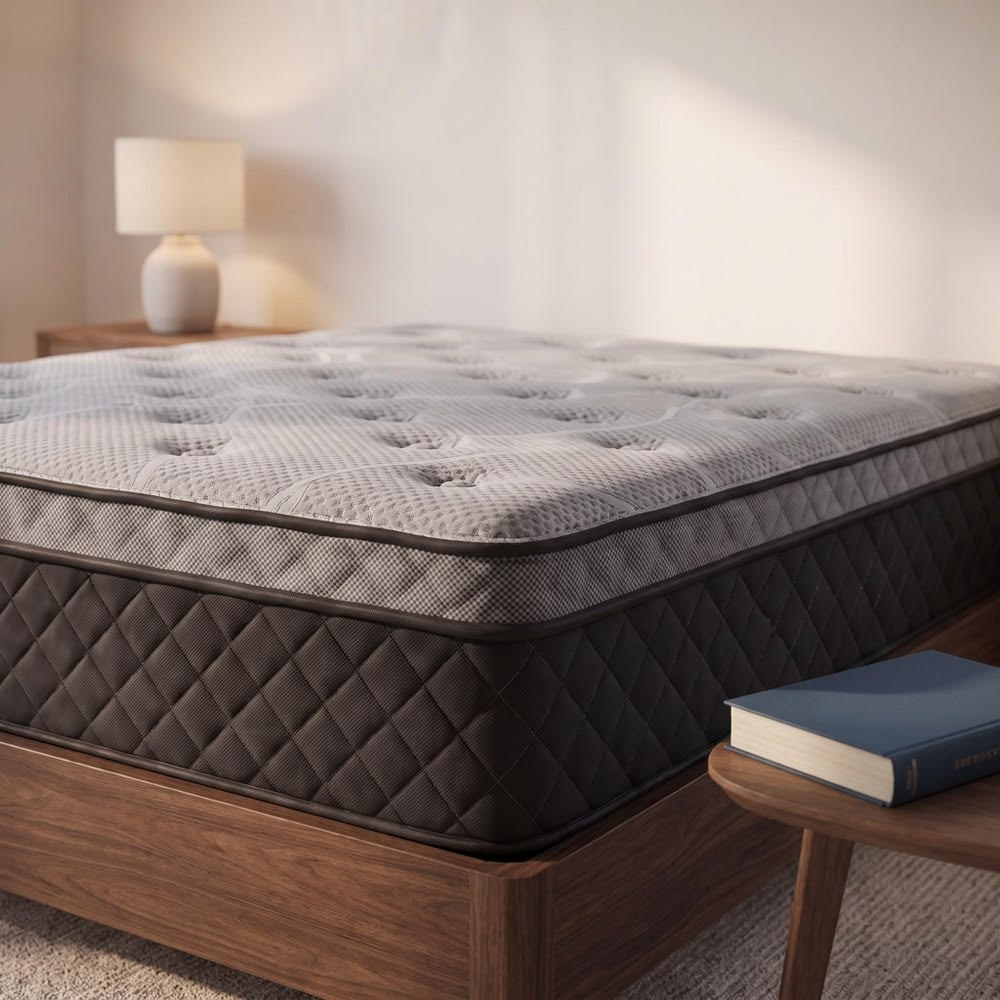
This is the in-laws lesson, and I mean it as strongly as it sounds: a lake house bedroom exists to sleep people, and a sagging or too-soft mattress is the single biggest thing that undermines an otherwise beautiful room. Guests will forgive a lot — a small room, an old dresser, mismatched nightstands — but a bad night’s sleep is what they actually remember and mention later.
You don’t need to spend what you would on your primary bedroom mattress, but a mid-range hybrid mattress with a reasonable warranty beats an inherited mattress from someone’s old house every time.
If budget is tight, prioritize the room that gets used most (usually the primary or the room closest to the bathroom) and phase in the rest over a season or two.
Pro tip: If a mattress has to sit in a closed-up house for months at a time, a breathable mattress protector matters more here than in a normal home — trapped humidity under a non-breathable cover is a fast track to mildew smell you won’t notice until guests do.
2. Choose Moisture-Wicking, Easy-Wash Bedding

Because lake house bedrooms cycle through more different people than a typical guest room — different families, different weeks, sometimes different smells from sunscreen and bug spray — bedding needs to hold up to frequent washing without falling apart.
A cotton percale sheet set, rather than a delicate linen or a synthetic blend that pills fast, tends to survive repeated hot washes the best.
Keep at least two full sets per bed in rotation so you’re never stuck stripping a bed with wet laundry still in the machine and a new arrival due in an hour, which has happened to me more than once during a busy August.
3. Deal With Humidity Before You Deal With Decor

If your lake house bedroom sits closed up for stretches of the off-season, humidity and the mildew smell that comes with it will undo any decorating work faster than almost anything else on this list.
A small dehumidifier left running in unoccupied rooms during humid months, or a moisture-absorbing product in the closet, makes a bigger practical difference than most people expect before they’ve dealt with a musty-smelling room themselves.
If you’re already noticing a mildew smell in linens or curtains, wash what’s washable in a vinegar-boosted cycle and check for actual mold on baseboards or closet corners before doing anything decorative — covering the symptom instead of the cause just means you’ll be back here again next season.
4. Pick a Palette That’s Calm, Not Loud
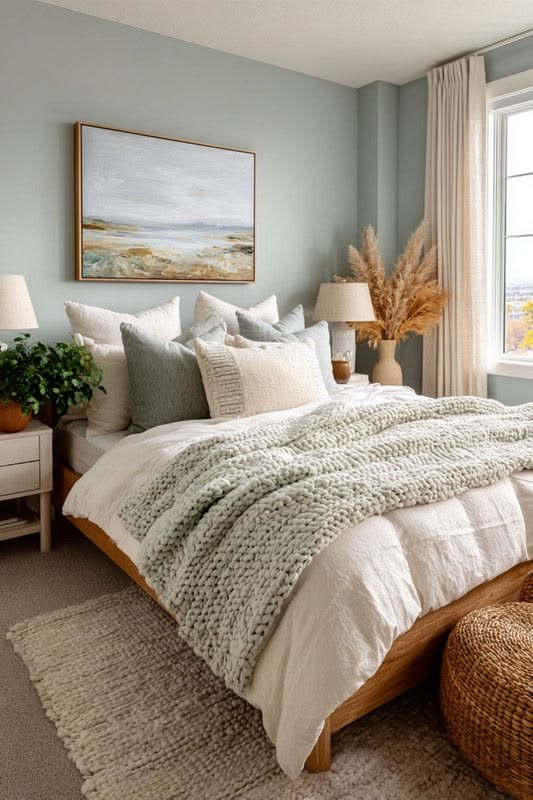
Bedrooms, even more than living spaces, benefit from a quieter palette than the rest of a lake house might have. Soft blues, warm neutrals, sage green — colors that read as restful rather than energizing — work better in a room whose whole job is helping someone sleep, versus the bolder choices you might make in a kitchen or living room.
I made the mistake of painting a guest room a saturated teal because it looked incredible in a paint chip, and every single person who’s slept in there since has mentioned it feels more like a den than a bedroom to fall asleep in. I’d go one or two shades lighter if I could do it again.
5. Use Blackout Curtains, Especially for East-Facing Rooms
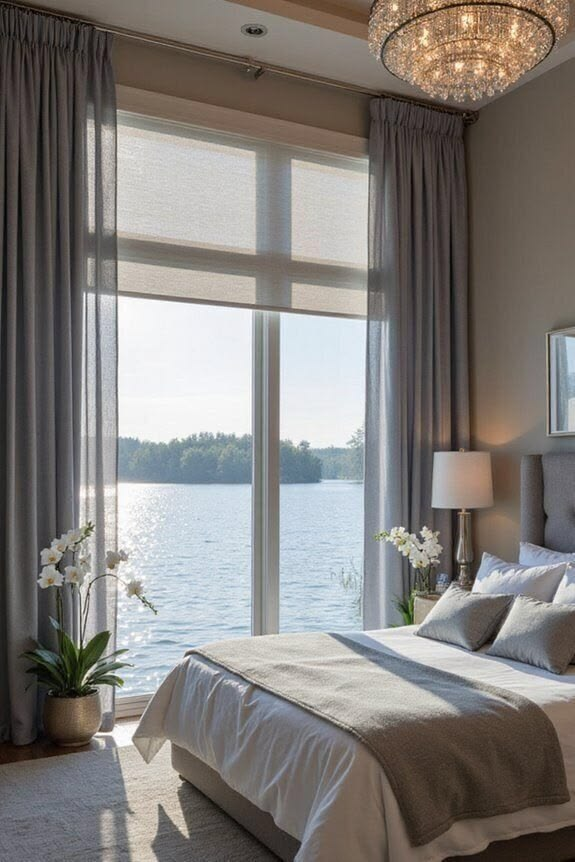
Lake houses tend to have sunrise happening directly over the water, and an east-facing bedroom without real blackout curtains means guests waking up at 5:30am whether they want to or not.
This is one of those unglamorous fixes that makes a disproportionate difference to how well people actually sleep at your place.
Pro tip: Get blackout curtains with a separate lighter sheer layer behind them rather than blackout-only — during the day when people want the room bright and lake-facing, you don’t want to be stuck choosing between total darkness and full curtains-open.
6. Maximize a Small Lake House Bedroom With Built-In or Under-Bed Storage
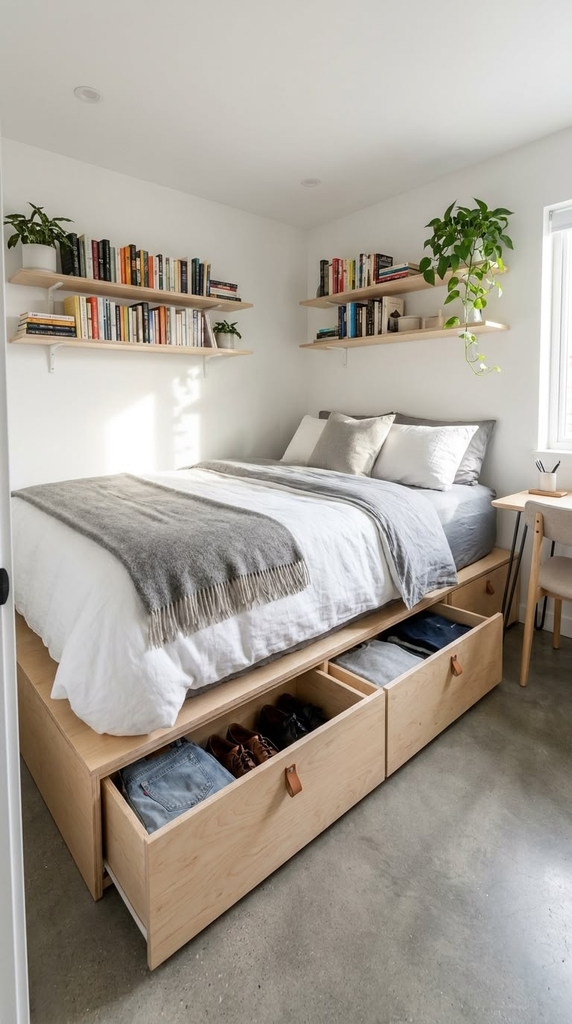
A lot of lake house bedrooms, especially in older cabins, run smaller than a typical home bedroom, and closet space is often minimal or nonexistent.
Built-in drawers under a platform bed, or a storage bench at the foot of the bed, gets you real storage without eating into the already-tight floor space that a freestanding dresser would need.
| Storage Solution | Space Saved vs. Dresser | Good For | Approx. Cost |
|---|---|---|---|
| Under-bed drawers/platform | High | Off-season clothes, linens | Moderate (DIY) to higher (built-in) |
| Storage bench (foot of bed) | Moderate | Extra blankets, seasonal items | Low-moderate |
| Wall-mounted shelving | High | Books, decor, folded items | Low |
| Traditional dresser | None (baseline) | Everyday clothes | Moderate-high |
7. Add a Reading Nook or Window Seat If the Room Allows
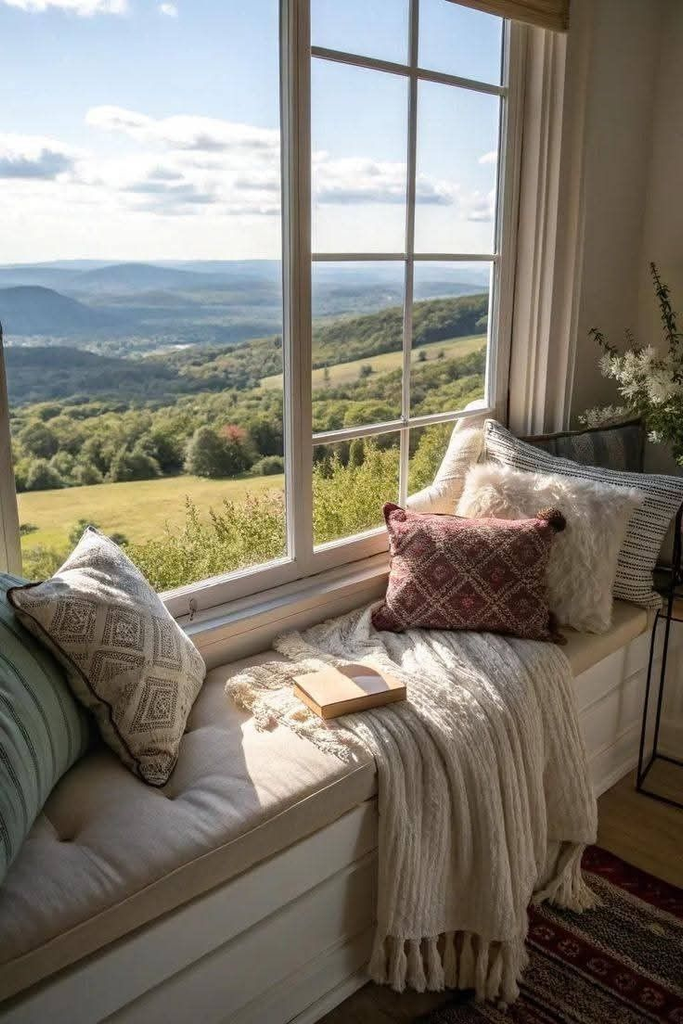
If a bedroom has a window facing the water, even a small window seat with a cushion and a couple of pillows turns an unused corner into the spot everyone actually wants to sit in. It doesn’t need to be a full built-in — a simple bench with a cushion accomplishes the same thing for a fraction of the cost and effort.
8. Choose Ceiling Fans Over Bedroom AC Units Where Possible
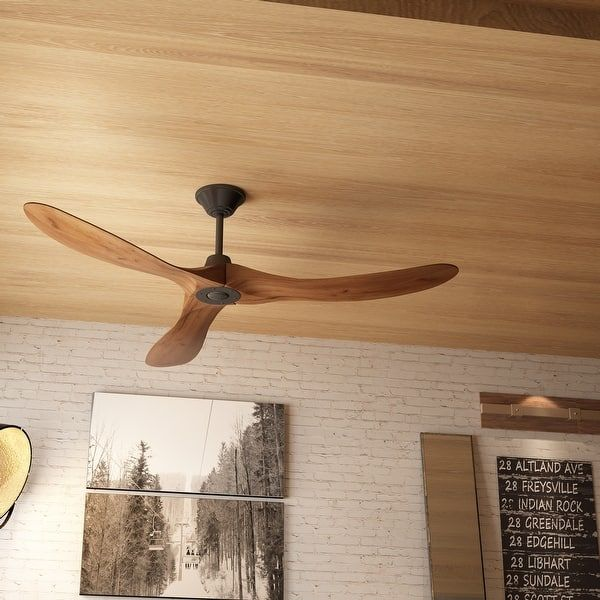
A lot of older lake cabins don’t have central air in every bedroom, and a good ceiling fan with a quiet motor solves airflow for most of the season without the window-unit look (or the noise) that a lot of guests find harder to sleep through than they expect.
If you do need a window unit in a particularly hot-facing room, look for a quieter, more modern model — an old rattling unit is its own sleep disruptor.
9. Bring In Layered Lighting, Not Just an Overhead Fixture
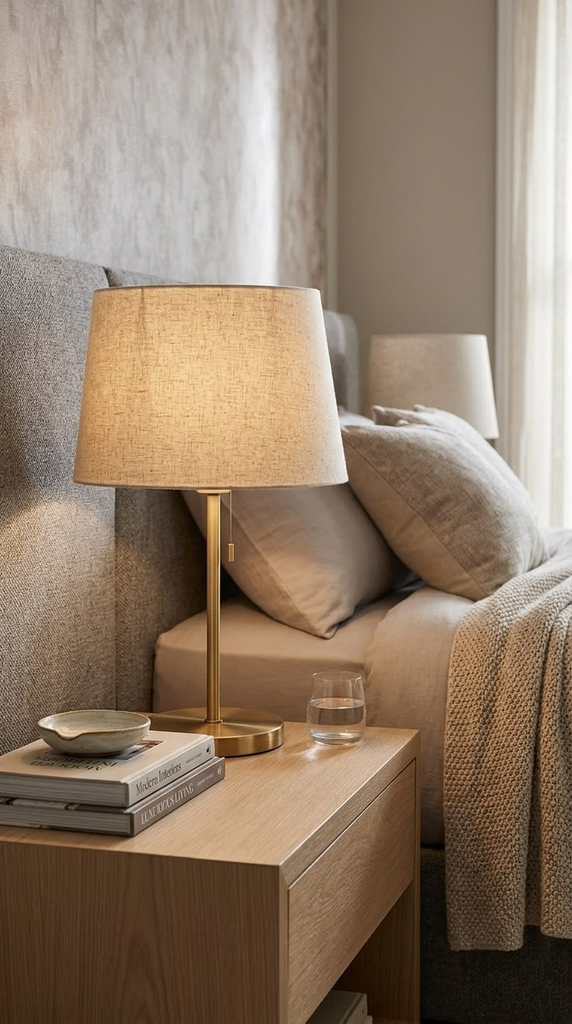
A single overhead light in a bedroom is almost always too harsh for anything except getting dressed. Layer in a bedside lamp on each side (so two people aren’t fighting over one lamp), plus a dimmer on the overhead fixture if you can manage it during a renovation.
It’s a small change that makes the room feel considered rather than like an afterthought space.
10. Use Woven, Natural Textures for a Grounded Coastal Feel
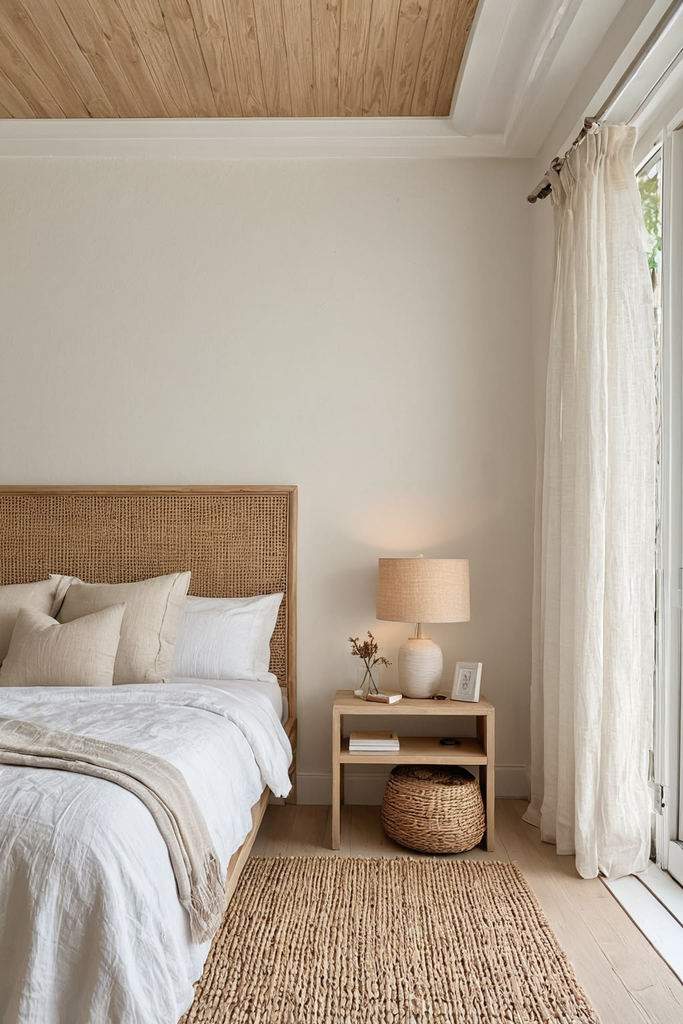
Rattan headboards, jute or sisal-blend rugs (in bedrooms specifically, since they get less wet traffic than a mudroom or entry), and linen-look curtains bring texture into a room without the durability concerns you’d have in a higher-traffic space.
Bedrooms are actually one of the better spots in a lake house to use more delicate natural materials, since they’re not absorbing sand and wet swimsuits the way the rest of the house is.
11. Add a Full-Length Mirror in Every Guest Room
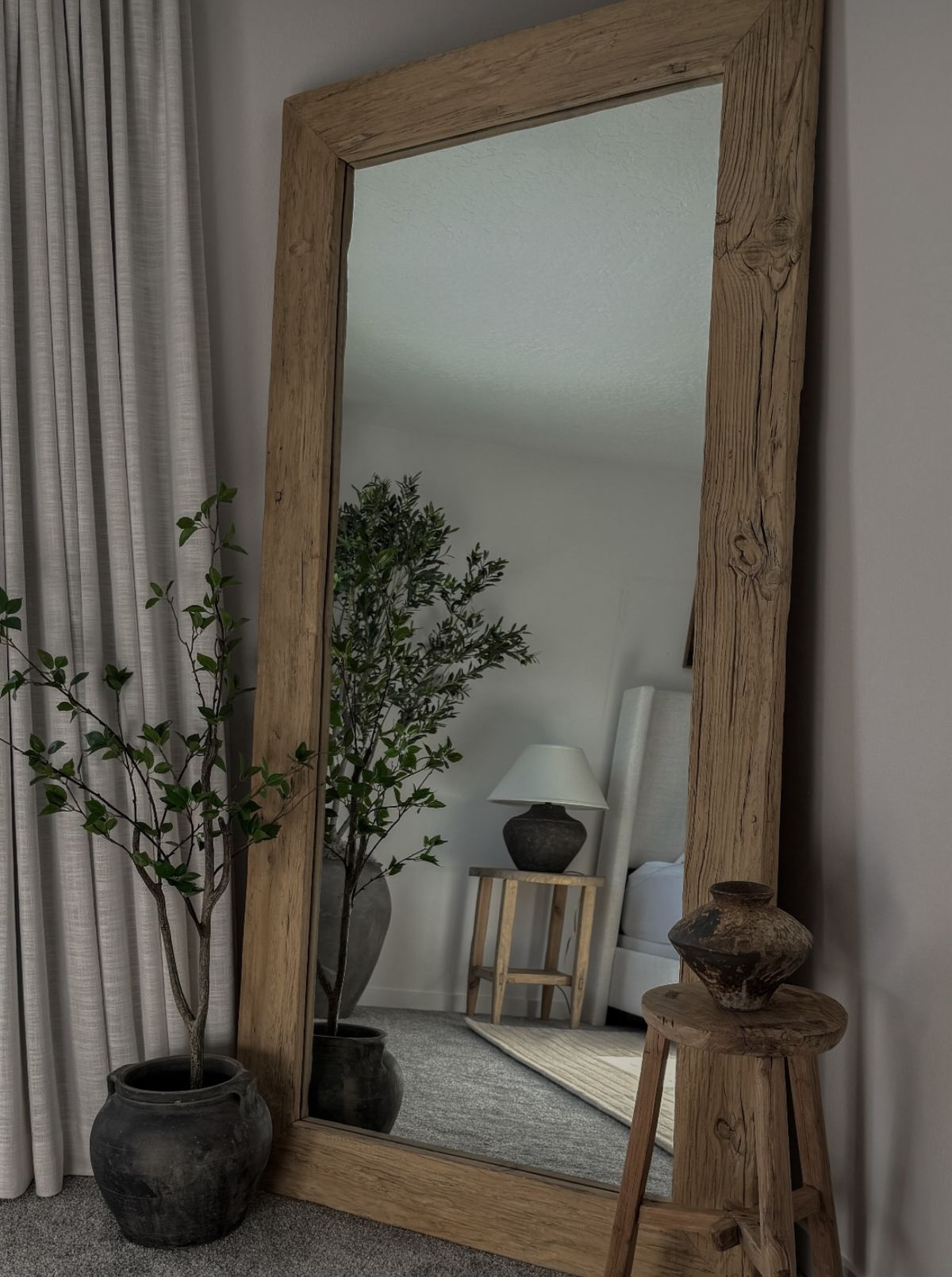
This is a small thing that gets skipped constantly, and guests notice its absence more than you’d think — especially in a house where people are changing in and out of swimsuits multiple times a day. A simple leaning full-length mirror solves this without needing to be mounted into an older cabin wall.
12. Choose a Headboard Material That Won’t Show Humidity Damage
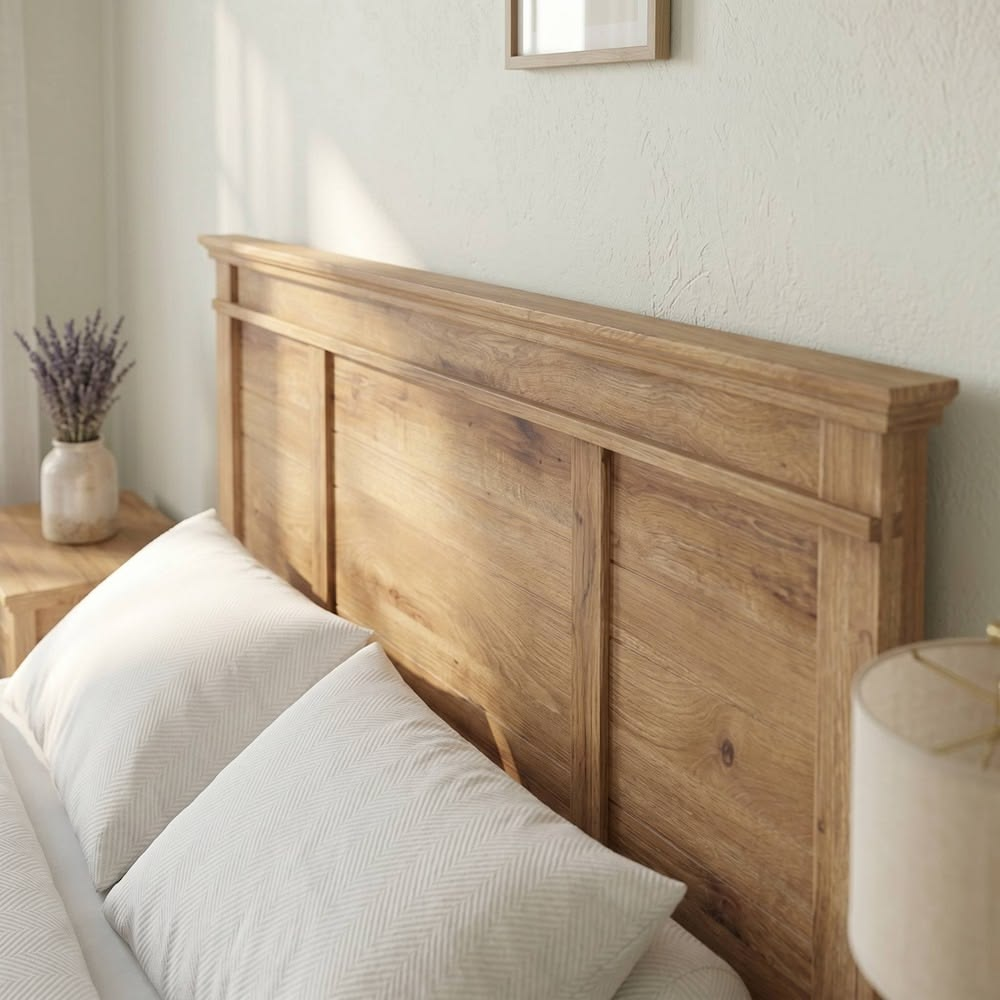
Upholstered headboards can develop a musty smell or visible staining in a consistently humid bedroom, especially in a house that isn’t climate-controlled year-round.
A wood, rattan, or wicker headboard holds up better in that environment and fits the lake house look just as well, if not better, than a fabric one.
13. Add Blackout-Friendly, Breathable Window Treatments for Kids’ Rooms

If your lake house regularly hosts kids, a bedroom with genuinely dark, breathable blackout curtains matters even more than in the adult rooms — overtired kids on vacation make for a rougher week for everyone.
A cellular shade with a blackout liner behind a simple curtain panel handles both the light and the airflow.
14. Personalize With One Real, Local Detail Instead of Generic Coastal Decor
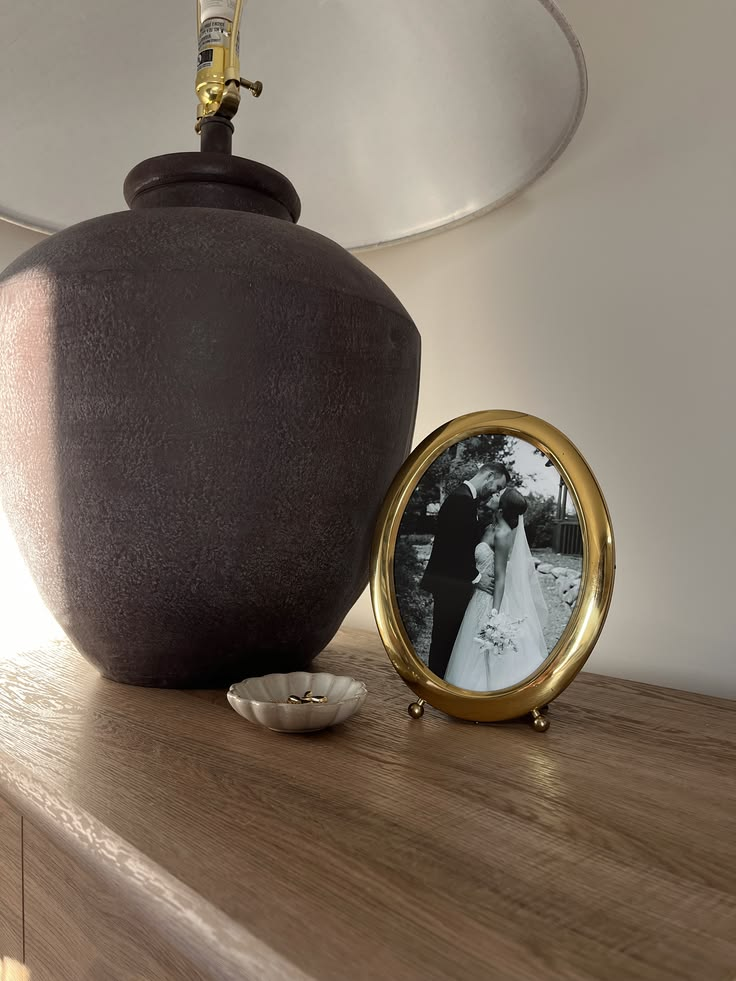
Skip the mass-produced “anchors aweigh” wall art if you want a bedroom to feel like part of an actual home rather than a themed rental.
A framed photo from an old family trip to the lake, a piece of local artist pottery on the nightstand, or even a pressed leaf or wildflower from the property in a simple frame does more for a room than anything ordered off a big-box decor site.
My sister-in-law framed an old faded photo of the lake house from the 1970s that she found in a shoebox at an estate sale, and it’s hanging in our guest room now — it’s the one thing in that whole room every guest asks about.
15. Choose a Nightstand With a Closed Storage Option
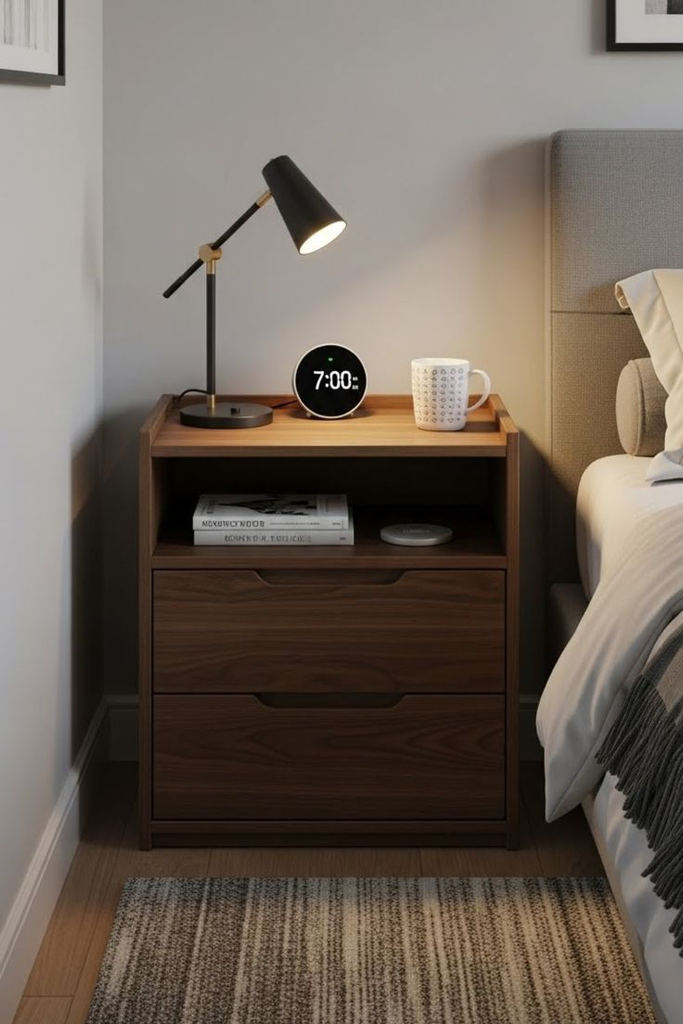
An open nightstand shelf looks clean, but in a house where guests are unpacking a full suitcase for a weekend, a nightstand with at least one drawer gives them somewhere to put a phone charger, glasses, or medication out of sight rather than cluttering the surface, which matters more in a guest room than people account for.
16. Add a Luggage Rack or Bench for Guest Bags
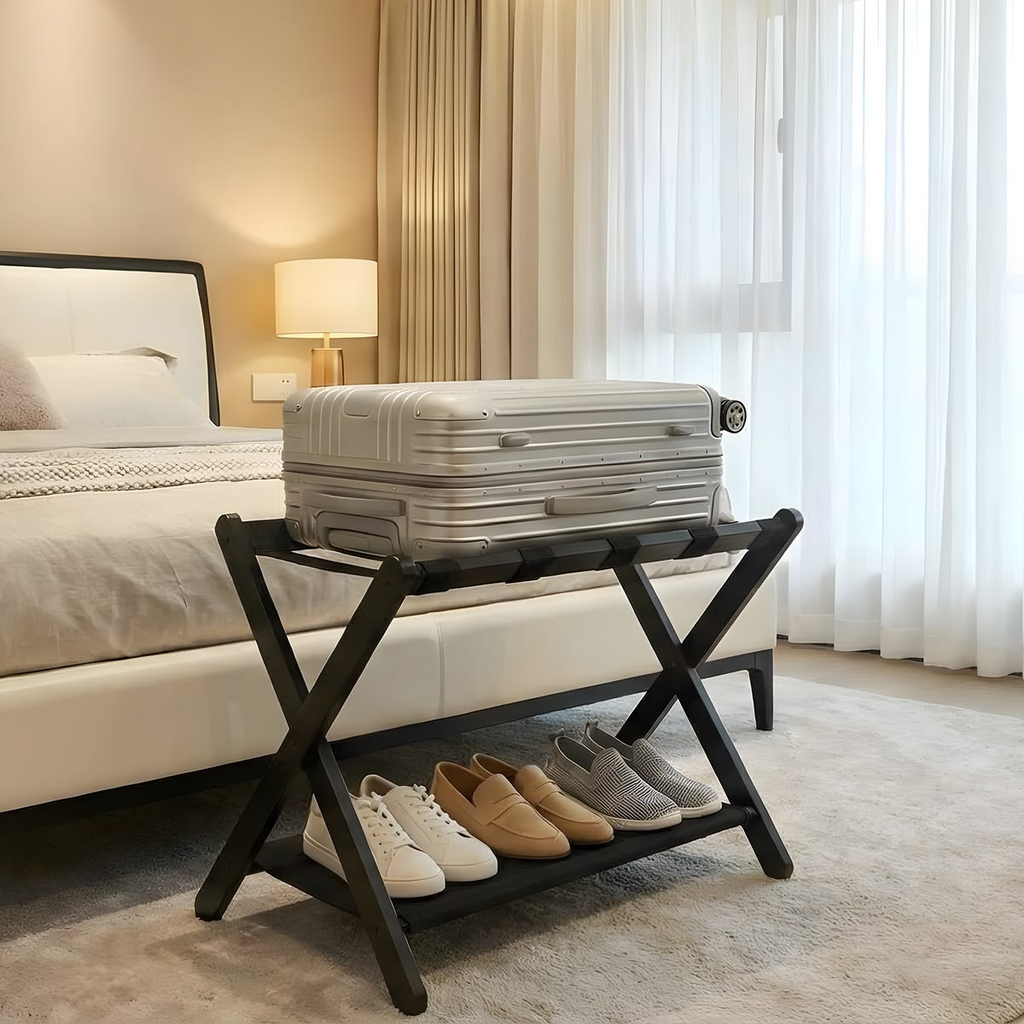
If your lake house regularly has overnight guests, a small luggage rack or bench at the foot of the bed keeps suitcases off the floor and out of the walking path in what’s often a smaller bedroom than guests are used to at home. It’s an inexpensive addition that makes a meaningfully more comfortable stay.
17. Use a Duvet or Comforter That’s Machine Washable in a Home Machine
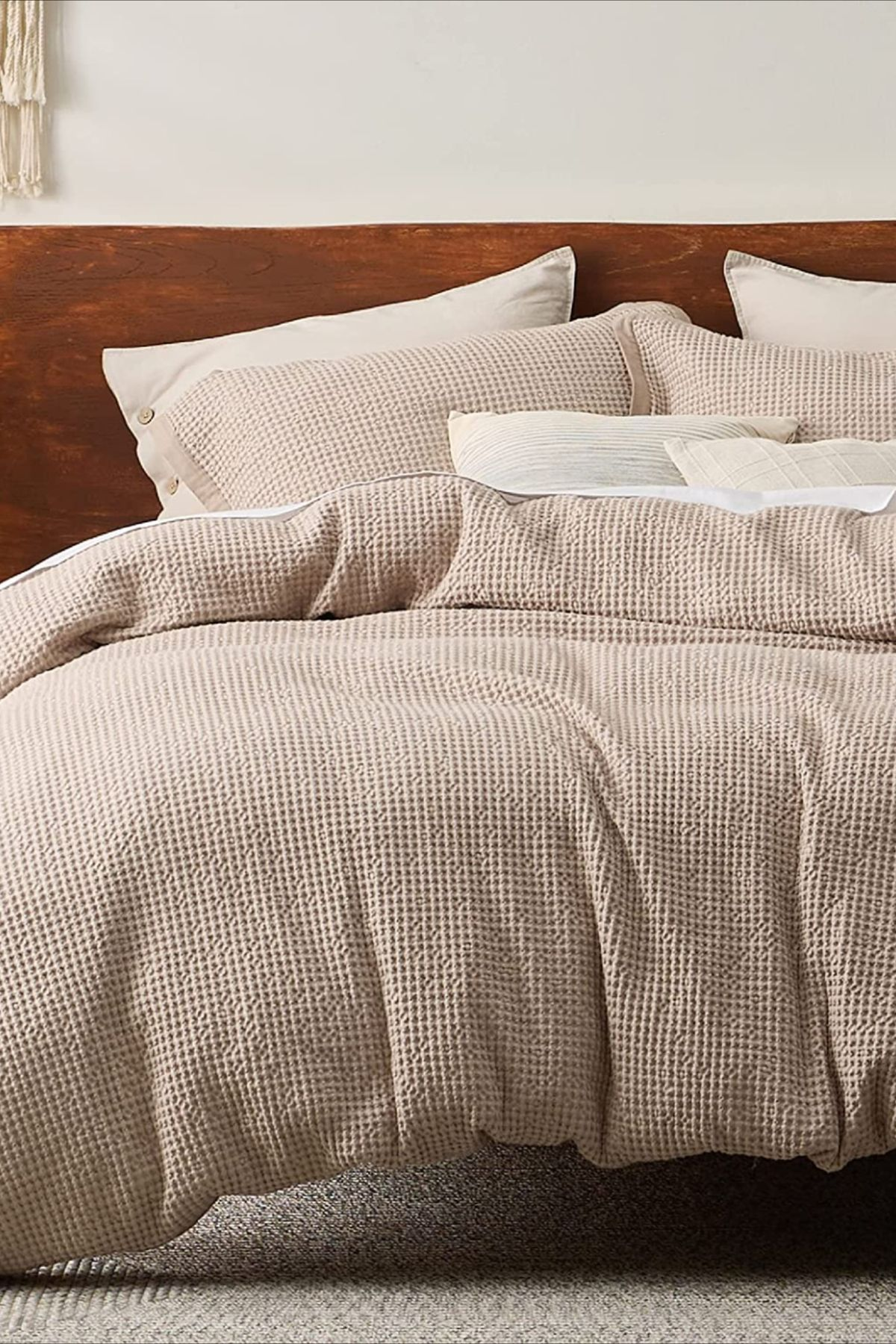
A lot of nicer comforters need dry cleaning or an oversized commercial washer, which isn’t practical for a lake house that turns over guests every few days through peak season. A washable duvet insert with a removable, washable cover lets you actually keep up with laundry between groups instead of falling behind by midsummer.
18. Add Extra Blankets in an Accessible Spot, Not Just a Closet Shelf
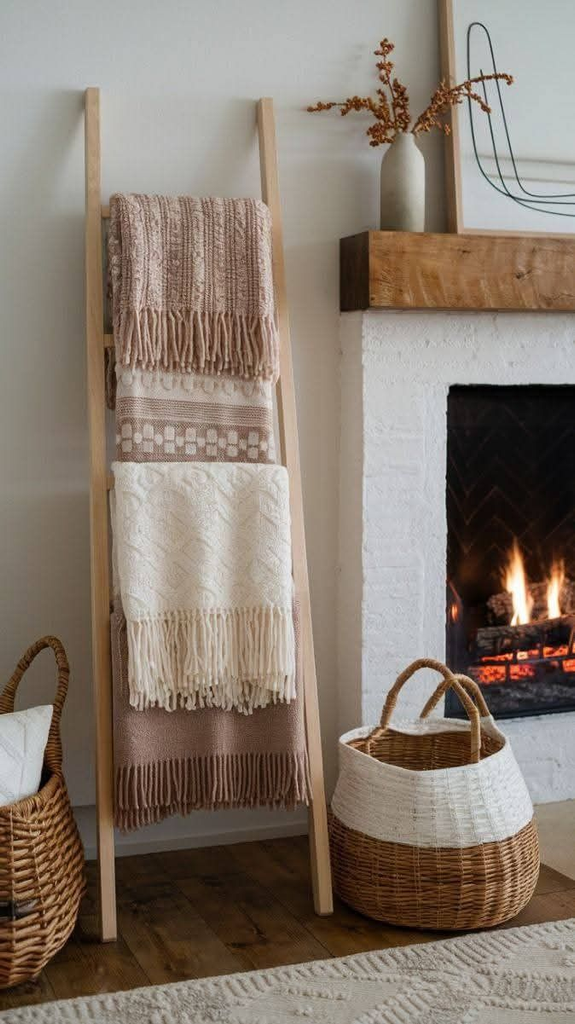
Lake house nights can get surprisingly cool even in summer, especially near the water, and guests unfamiliar with the house won’t know to dig through a closet for extra blankets. A blanket ladder or an open basket at the foot of the bed makes it obvious that extra warmth is available without anyone having to ask.
19. Choose Flooring That Doesn’t Mind Occasional Wet Feet
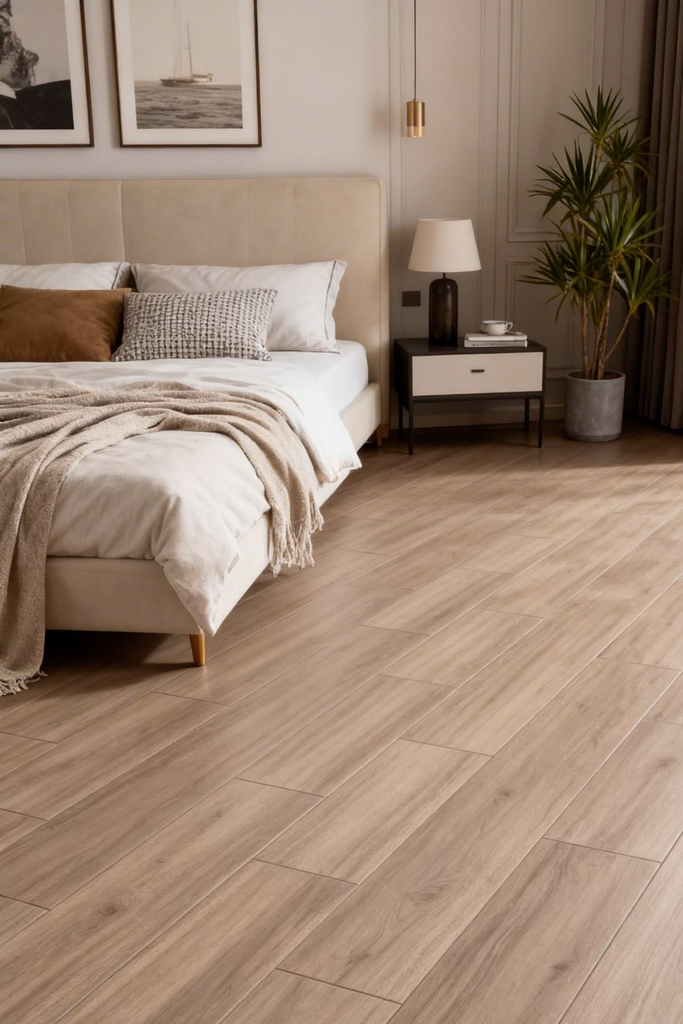
Bedrooms see less water traffic than a kitchen or entry, but wet swimsuits and damp towels still make their way in after a day on the water. LVP or a well-sealed wood floor handles this better than carpet, which can trap moisture and develop a musty smell in a bedroom that isn’t climate-controlled year-round — the same humidity issue that comes up with mattresses and headboards.
20. Add a Small Desk or Vanity Corner for Longer Stays
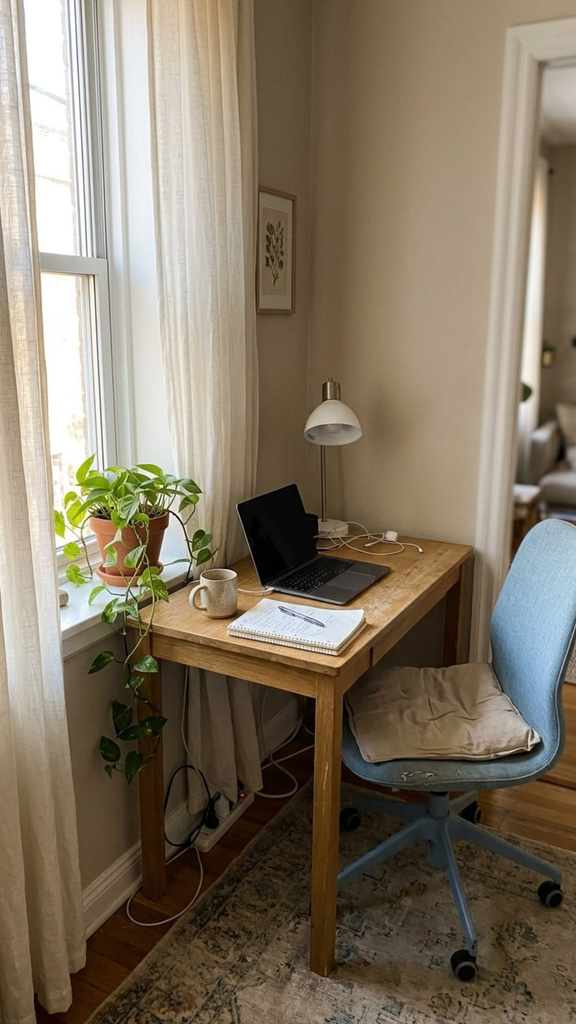
If guests tend to stay multiple nights or work remotely for part of their visit, a small desk or vanity nook — even a narrow console table pushed against a wall — gives them somewhere other than the bed to set up, which makes a longer stay feel more livable.
This doesn’t need to be elaborate; a simple table and a chair that isn’t the desk chair from a home office does the job.
21. Use a Ceiling Detail to Add Character to a Smaller Room

In a smaller lake house bedroom where you can’t add much floor-level visual interest without it feeling cluttered, a painted or wood-clad ceiling — even just a soft color or simple tongue-and-groove planks — adds character without taking up any usable space.
It’s a detail that reads as intentional rather than an afterthought, and it’s a manageable weekend project if you’re comfortable painting overhead.
22. Keep a Consistent, Neutral Base So You Can Refresh Seasonally

Because lake house bedrooms get more wear and more visitors than a typical guest room, keeping the bigger investments — the mattress, the bed frame, the rug — in a neutral, durable choice lets you swap smaller things like throw pillows or a table runner seasonally without redoing the whole room.
It’s the same practical logic that applies to the rest of the house: spend where it counts, keep the rest flexible.
If I Were Redoing Our Guest Rooms From Scratch
I’d replace every mattress before I touched a single paint color.
It sounds unglamorous compared to picking out rattan headboards and coastal throw pillows, but the mattress dip that got mentioned to me for two straight years taught me that nobody remembers how pretty a room looked if they didn’t sleep well in it.
Get the sleep part right first, then have fun with everything else.


Leave a Reply