
I used to have a pumpkin problem. Every September I’d buy three mini pumpkins from the grocery store, plop them on my console table, and call it “fall decor.”
By mid-October they’d started sweating and one had a soft spot I discovered the hard way, barefoot, at 7am. That’s when I actually started paying attention to what makes an entryway feel like fall versus what just rots.
If you’re standing in your entryway right now wondering how to make it feel like autumn without turning it into a Michaels aisle, you’re in the right place.
My entryway is a narrow strip — about 6 feet by 3 feet, one console table, no closet — so almost everything on this list has been tested in a space that doesn’t have room for error.
A few of these ideas came from my own trial and error, a couple from a friend who does this for a living, and one came from a comment on my last fall post that was honestly better than my original tip.
I’m not going to tell you to do all 21 of these. Pick the ones that fit your space and your actual habits — the entryway is the one room in the house that has to function before it gets to be cute.
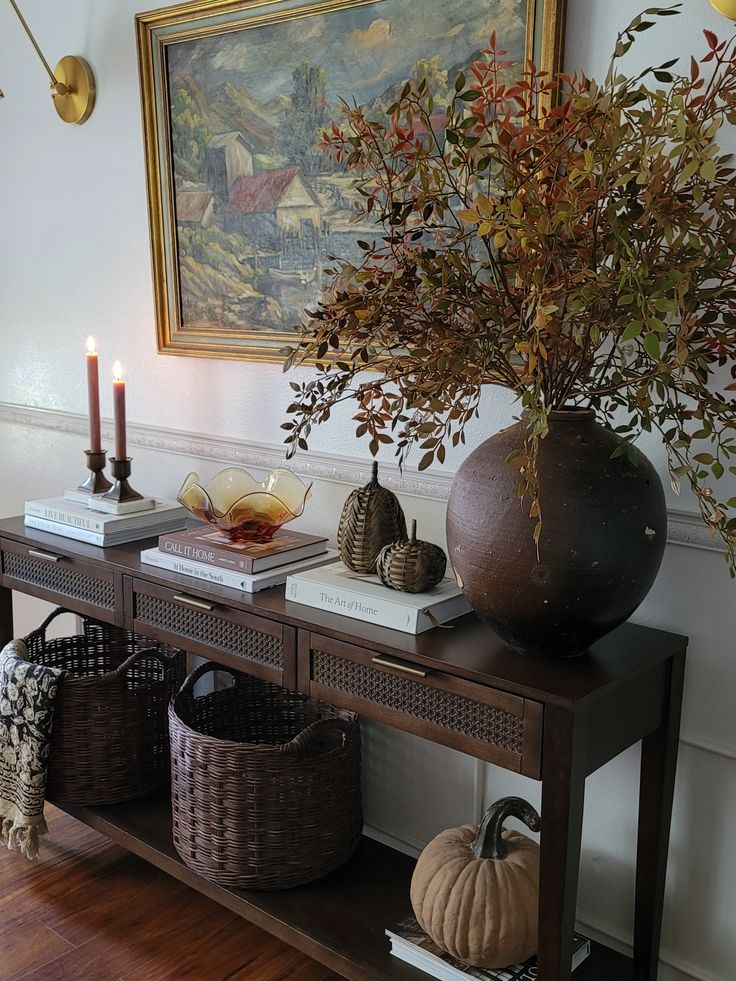
1. Swap Your Doormat for Something With Actual Texture
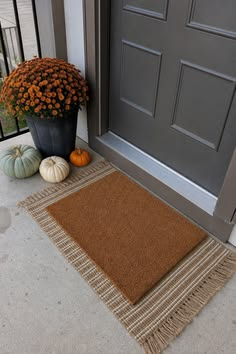
This is the cheapest fix on this entire list and almost nobody does it. A flat, thin doormat doesn’t scrape anything off your shoes — it just moves dirt around.
A coir mat with real depth to the bristles is what actually catches debris before it hits your floor, and it instantly reads “fall” in a way that feels intentional rather than seasonal-clutter.
Look for a herringbone or chevron weave in a rust, olive, or charcoal colorway instead of the generic tan coir everyone has. It’s the same material, just styled like you thought about it.
Pro tip: Coir mats shed fibers for the first two weeks — shake them out (don’t vacuum) daily at first or you’ll be sweeping little brown bristles into your entryway for a month.
2. Layer a Vintage or Vintage-Style Rug Under the Doormat
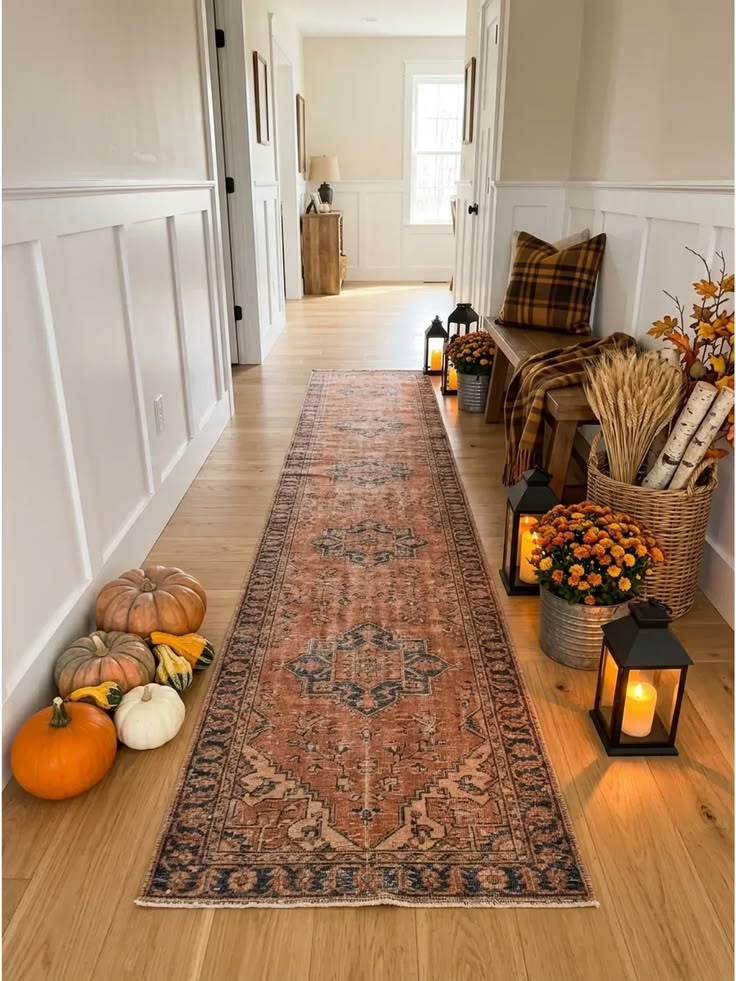
My friend Priya did this in her rental entryway and it’s the single change that made her tiny hallway look designed instead of decorated. She found a worn Turkish-style runner at an estate sale for $22 and layered it under her regular doormat, letting about four inches show on each side.
The trick is picking a rug with warm undertones — rust, mustard, faded terracotta — rather than the cool blues and grays that read as spring or year-round neutral.
Pro tip: If you’re renting and worried about rug pads on hardwood, a thin grip liner cut slightly smaller than the rug keeps it from sliding without any adhesive.
3. Go Heavy on One Statement Gourd Instead of a Pile of Small Pumpkins
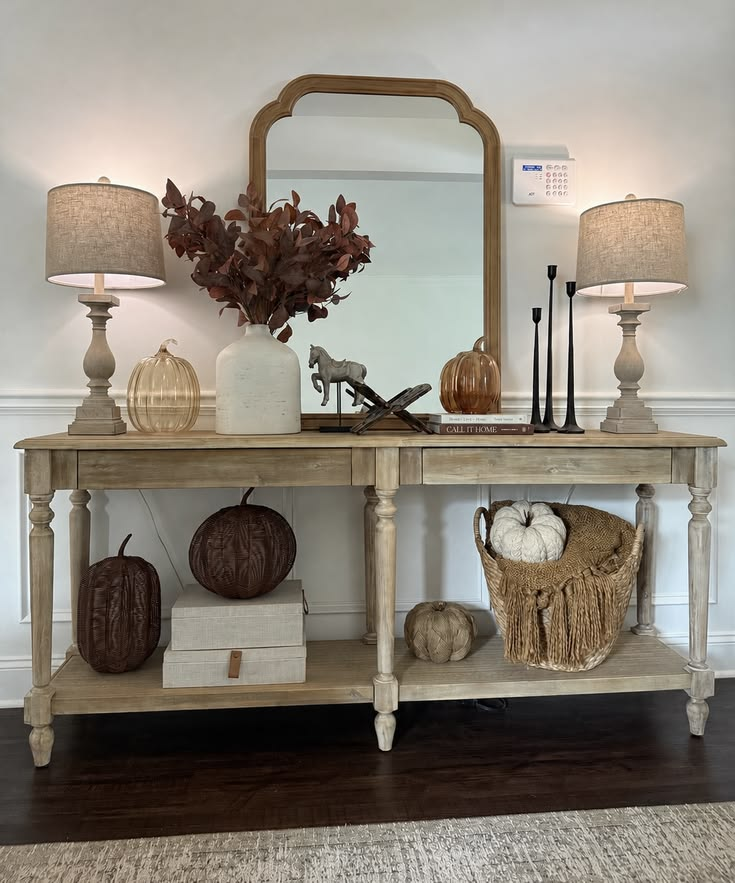
Small pumpkins are the thing that made me a fall-decor skeptic in the first place because they rot fast and look cluttered in tight spaces. One large, oddly-shaped gourd or a Cinderella pumpkin does more visual work than six mini ones crowding your console table.
If you have the surface space, go with a warty or ribbed variety — the texture reads as more expensive and more “designed” than the smooth grocery-store kind.
Pro tip: Real pumpkins last 8-12 weeks unrefrigerated if you wipe them down with a diluted bleach solution when you bring them home — this is the actual trick that keeps them from getting soft, not luck.
4. Or Skip Real Pumpkins Entirely and Invest in One Good Faux One
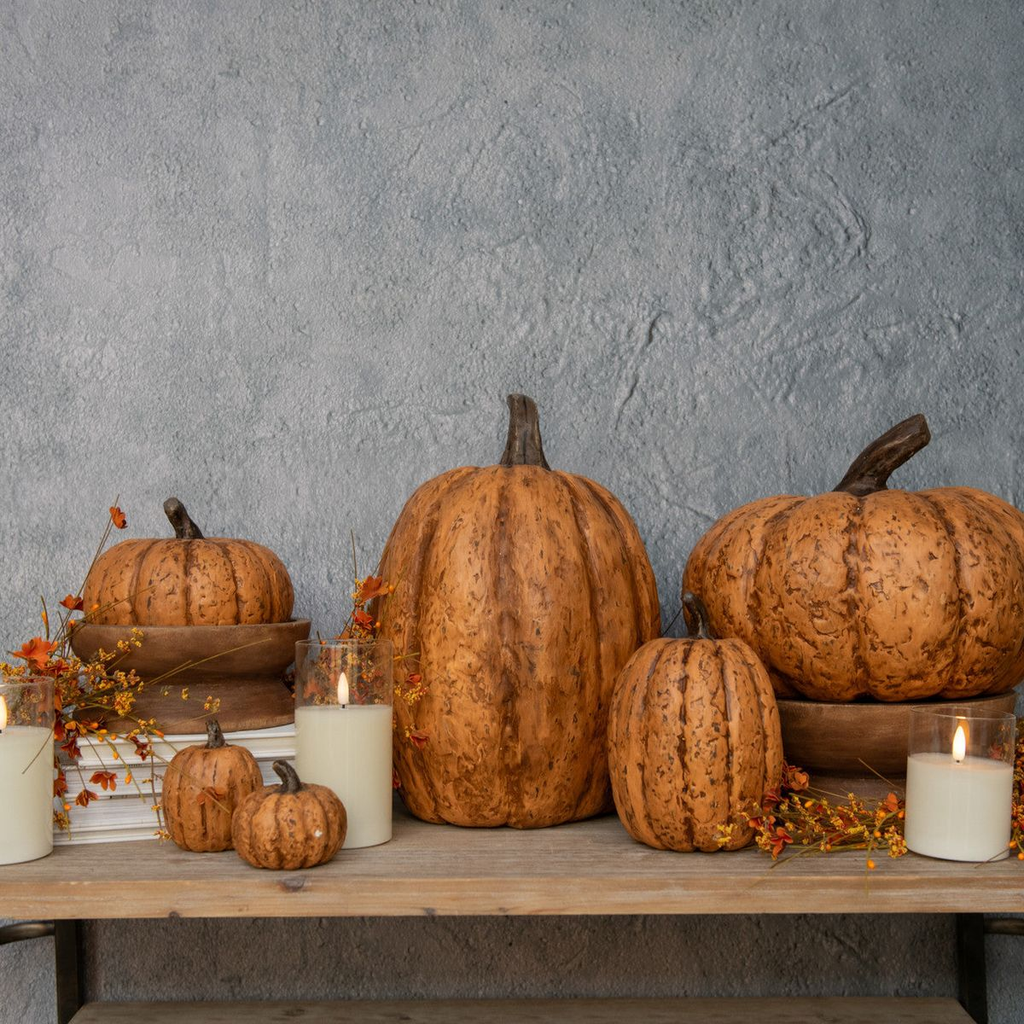
Here’s the trade-off nobody tells you: a decent faux pumpkin costs more upfront ($15-40 depending on size and material) but you use it every year, which makes it cheaper by year two.
A reader named Dana commented on my last post that she’s used the same three faux pumpkins for six autumns and they still look better than the real ones she buys as an accent.
The tell for cheap faux pumpkins is the stem — go for one with a real dried stem or a hand-carved wood stem, not a smooth plastic one, and it reads as real from a few feet away.
5. Bring In a Boot Tray That Isn’t an Afterthought
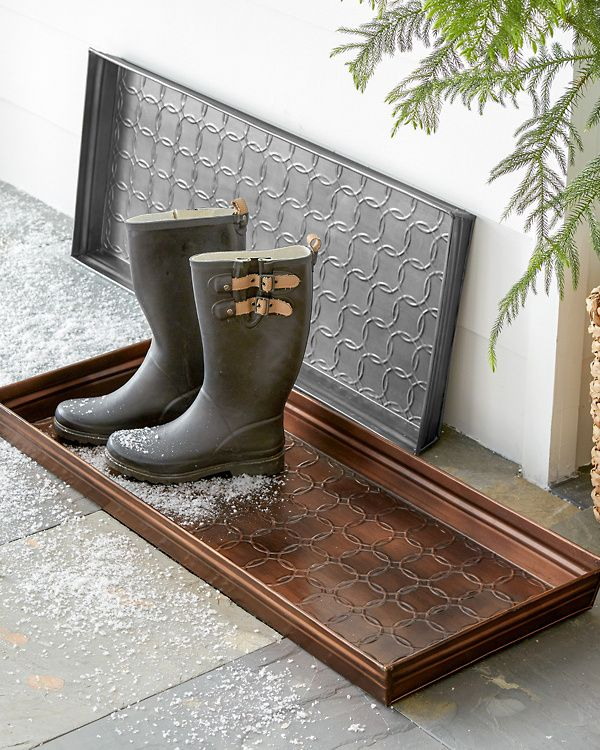
If your entryway handles actual foot traffic — kids, dogs, a rainy commute — a boot tray is functional first and decorative second, but that doesn’t mean it has to be the black plastic one from the hardware store.
A galvanized metal tray or a woven seagrass one with a liner does the same job and doesn’t look like you gave up.
Pro tip: Put the tray slightly to the side rather than dead-center under the door — it keeps the entryway looking intentional instead of like a mudroom triage station.
6. Add a Wool or Flannel Throw Draped Over a Bench or Chair

If your entryway has a bench, ottoman, or even just a chair someone drops their bag on, a chunky knit or flannel throw draped loosely (not folded into a perfect square) does more to signal “fall” than almost any object you could buy.
It also solves an actual problem — somewhere to grab a layer on your way out the door when it’s 58 degrees and you didn’t check the weather.
7. Swap Your Entryway Candle Scent — But Skip the Cliché Ones
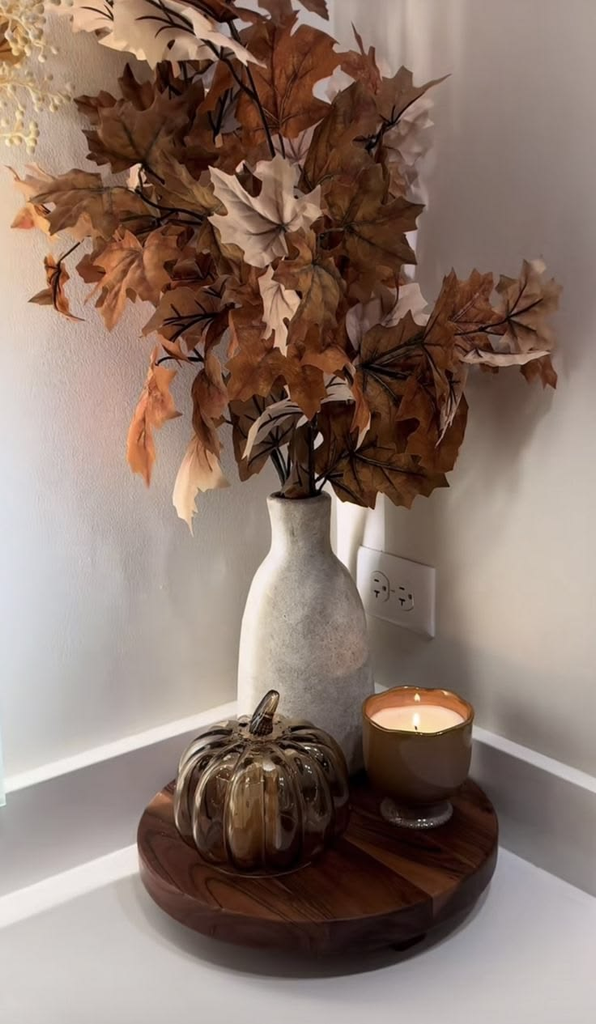
Pumpkin spice is fine, but it’s also the scent every single person’s entryway has from September through November, and it gets old fast in a small space with no airflow.
I switched to a fig and cedar candle two years ago and it reads as “fall” without smelling like a coffee shop.
Pro tip: In a small, enclosed entryway, a scent that’s too strong actually reads as trying too hard. Go for something you can only smell within a couple feet, not from across the house.
8. Hang a Dried or Faux Wheat Bundle on the Door Instead of a Wreath
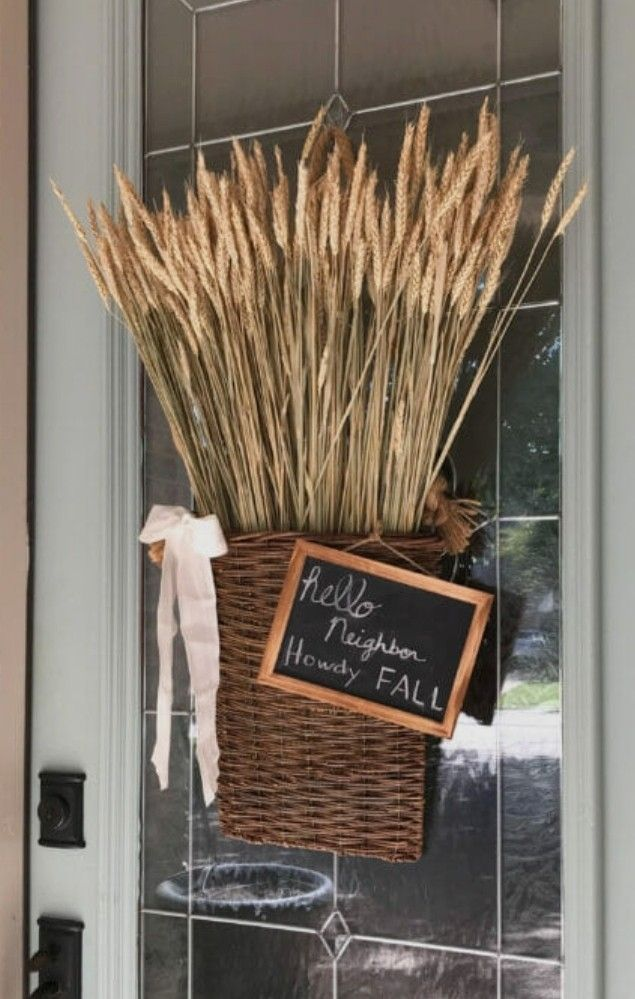
Wreaths are everywhere, which isn’t a bad thing, but a simple bundle of dried wheat, pampas, or bittersweet tied with twine or a strip of leather is a five-minute DIY that costs less than most wreaths and looks less generic.
I’ve done this for three years running and it’s the thing guests actually comment on.
9. If You Do a Wreath, Skip the Craft-Store Fall Colors
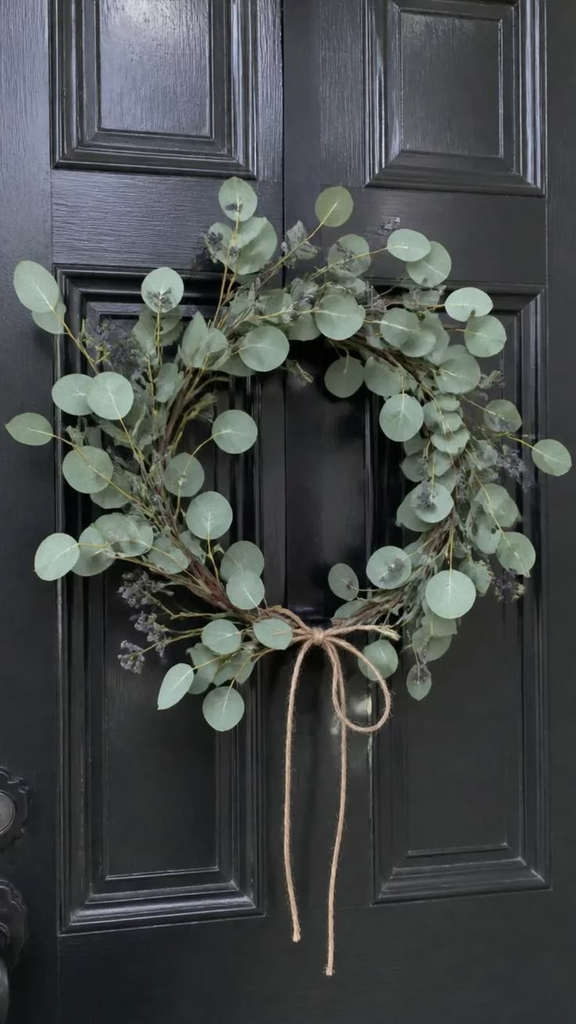
The mustard-orange-burgundy combo is fine, but it’s also the exact palette of every wreath at Michaels and Hobby Lobby right now, and in a small entryway that gets seen up close, that recognizability works against you.
A monochrome wreath — all dried eucalyptus with a few dark burgundy accents, or all-white with one texture — reads as more expensive even at the same price point.
10. Layer Scale on Your Console Table: Tall, Medium, Short
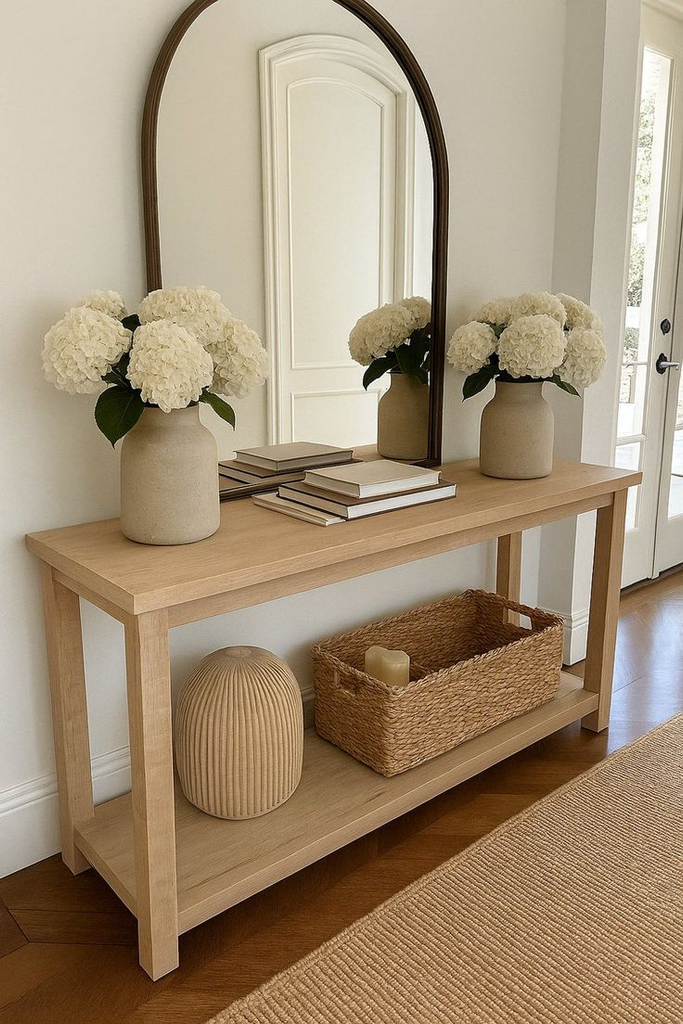
This is the styling rule that actually matters more than any specific object you choose. A common mistake is putting everything on a console table at the same height — three candles, all the same size, in a row.
Vary it: one tall item (a vase, a tall taper), one medium (a stack of books or a bowl), one low and wide (a dish, a small gourd). That’s the entire difference between looking styled and looking cluttered.
Pro tip: Odd numbers of objects (3 or 5, not 4) photograph and read better — this isn’t superstition, it’s just how the eye groups things.
11. Use a Tray to Corral Small Items
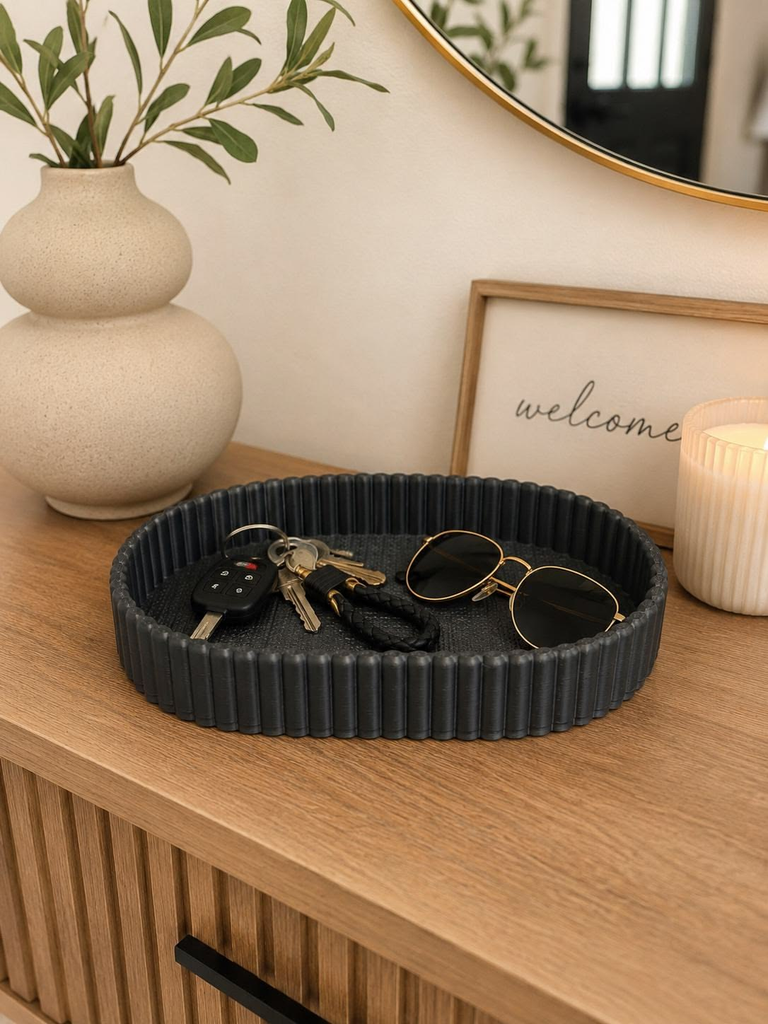
If your entryway table collects keys, mail, sunglasses, and a candle all at once, a single tray underneath all of it turns clutter into a vignette.
This is the cheapest, fastest fix on this list if your entryway currently just looks messy rather than decorated — sometimes the issue isn’t a lack of decor, it’s a lack of containment.
12. Swap In Warm-Toned Bulbs If You Have a Fixture or Lamp There
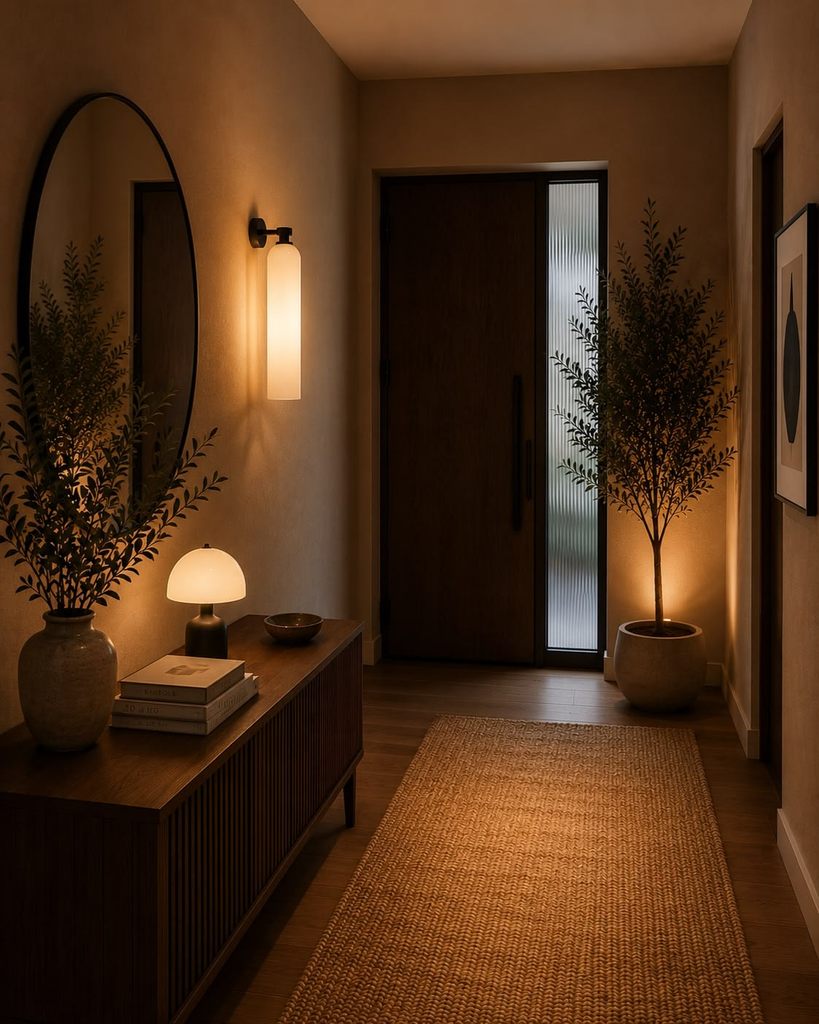
If your entryway has any kind of light fixture, sconce, or lamp, swapping a cool-white bulb (anything above 3000K) for a warm one (2200-2700K) changes the entire feel of the space for about $8.
This is genuinely one of the highest-impact, lowest-cost changes on this whole list and almost nobody thinks to do it because it’s not a “decor item.”
13. Add a Faux Fur or Sheepskin Throw on a Bench Seat
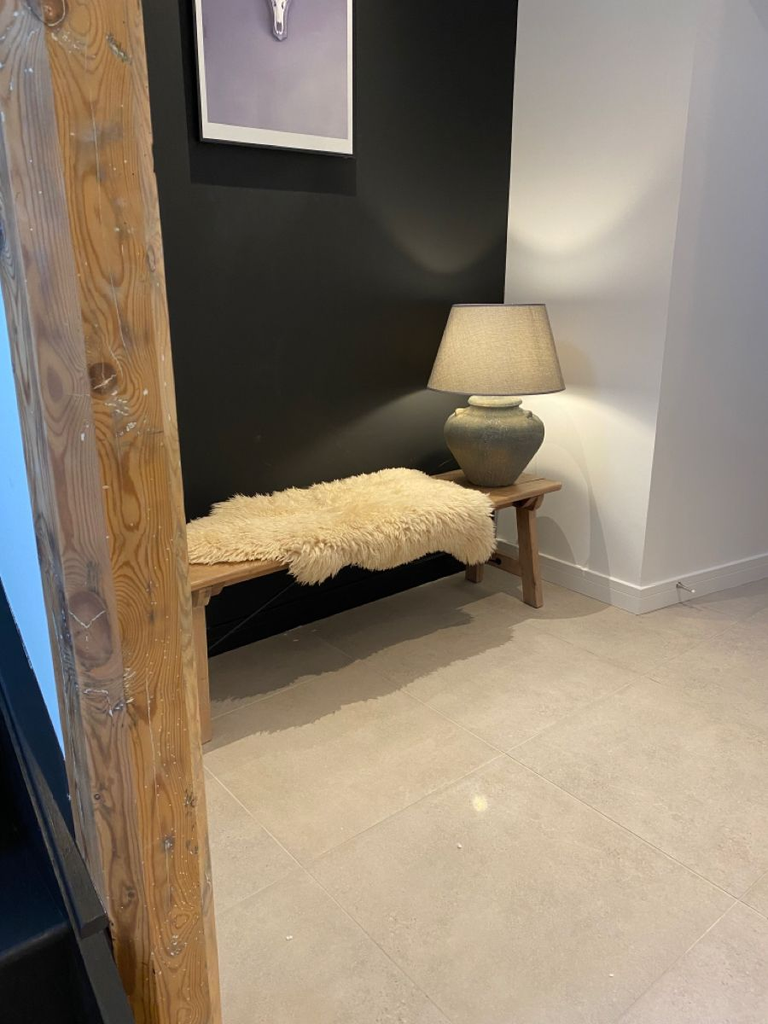
If you have a bench, a small sheepskin or faux fur throw over part of it (not the whole thing) adds texture without looking like a full pelt situation.
It’s also genuinely more comfortable to sit on when you’re wrestling with boots, which is the kind of detail that makes decor feel lived-in instead of staged.
14. Bring In Branches Instead of Flowers
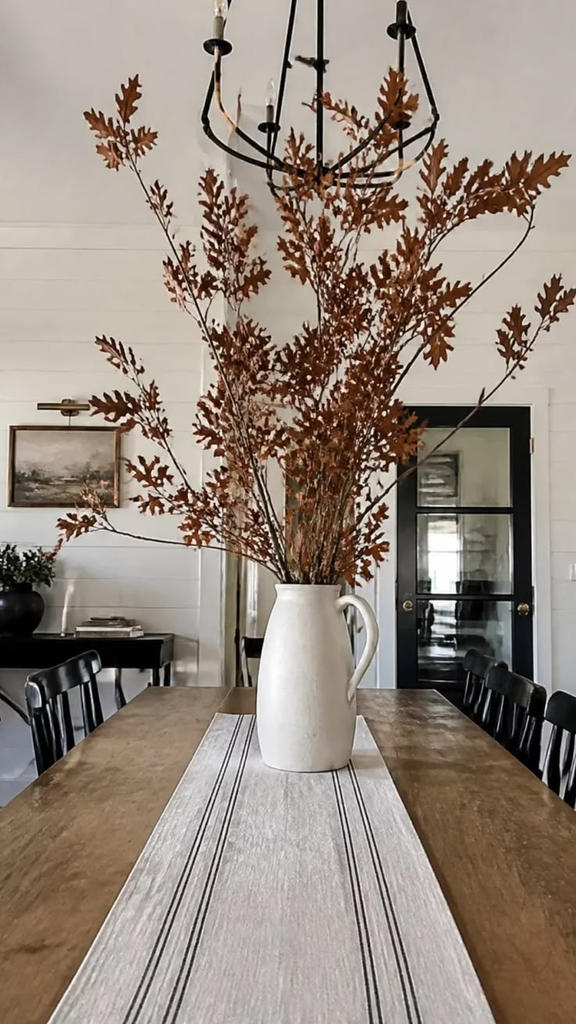
Fresh flowers in an entryway in fall always felt slightly off to me until I switched to branches — dried eucalyptus, cotton stems, or even bare branches from your own yard in a tall vase.
They last for months instead of days, which matters a lot in a small entryway where you’re not swapping out florals every week.
Pro tip: If you’re cutting branches from your own yard, let them dry fully (2-3 weeks somewhere with airflow) before arranging them, or they’ll drop leaves everywhere for the first week.
15. Use a Runner With a Fall-Adjacent Pattern, Not Literal Pumpkins
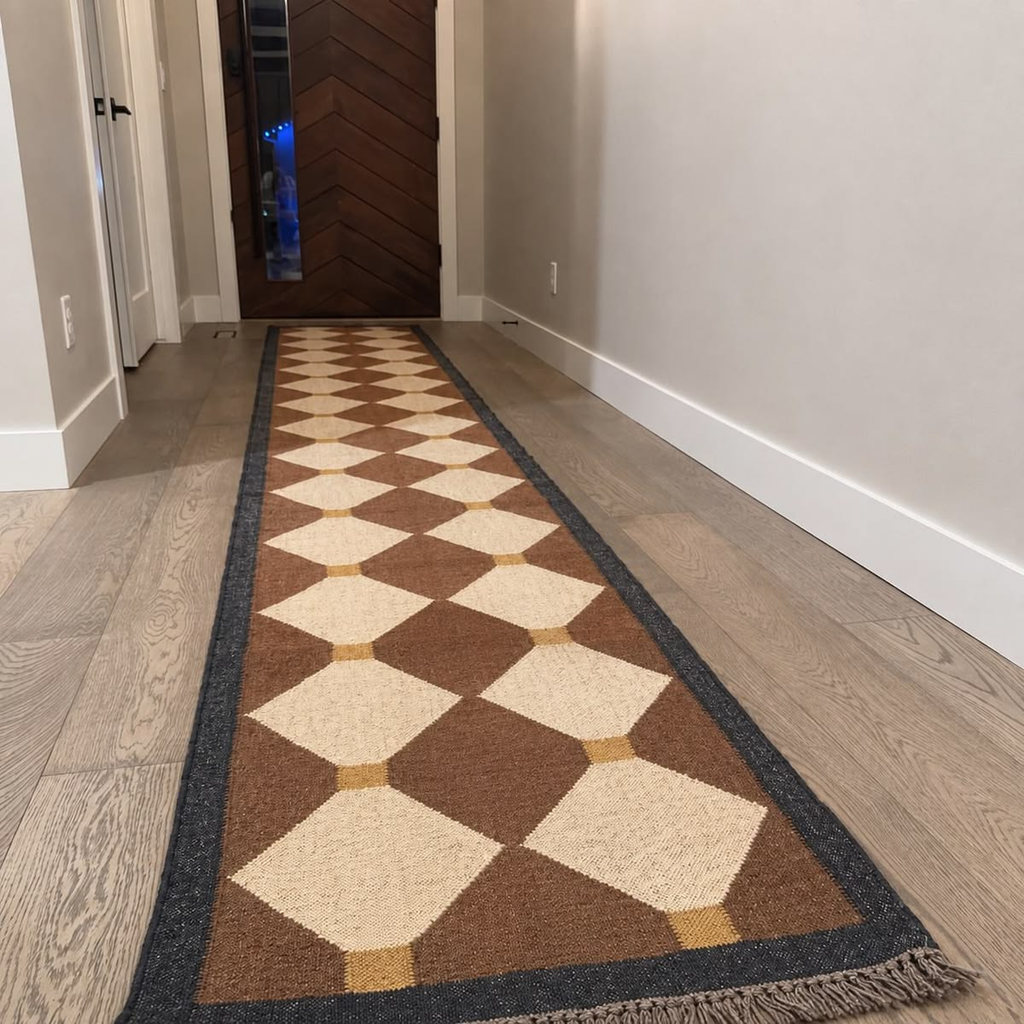
A patterned runner is a great way to bring in seasonal color without buying anything explicitly “fall” — think block prints, ikat, or a warm plaid. It’s also something you can leave up past November without it looking dated the way a pumpkin-print runner does the day after Thanksgiving.
16. Add a Small Chalkboard or Framed Sign With Something Real, Not Generic
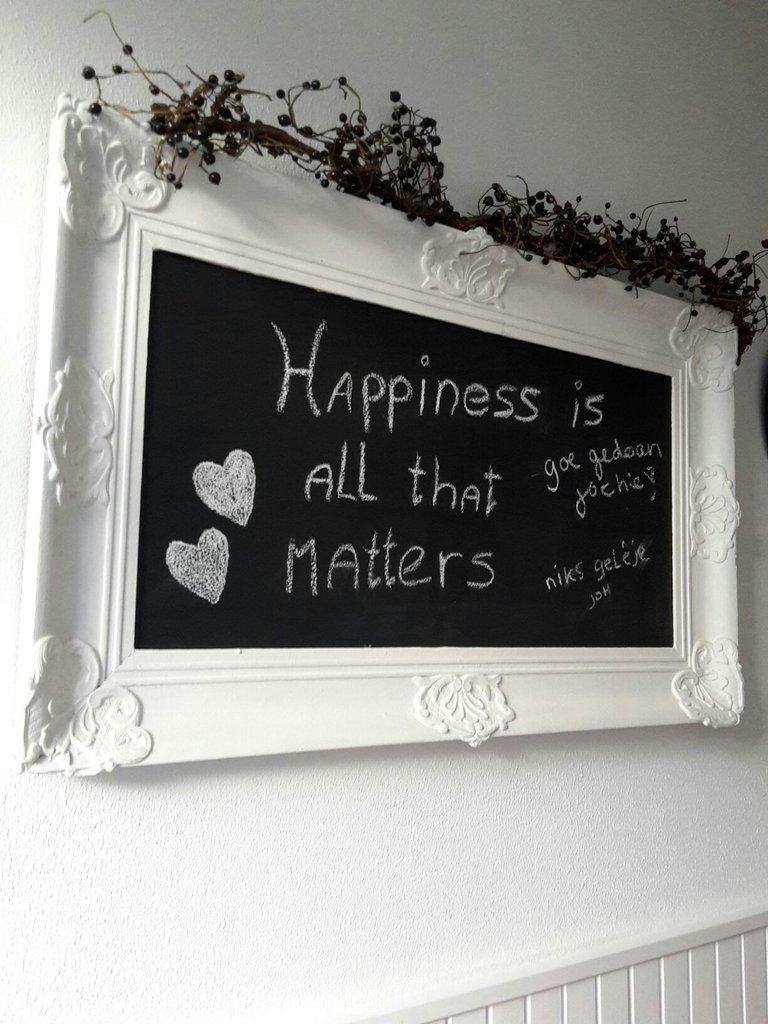
“Welcome Fall Y’all” signs are everywhere, and if that’s genuinely your style, go for it — but a small chalkboard with something specific (the date of a family tradition, a quote you actually like, even just “shoes off please”) does more personality work in less space.
17. Bring In Firewood as Decor If You Have a Working Fireplace
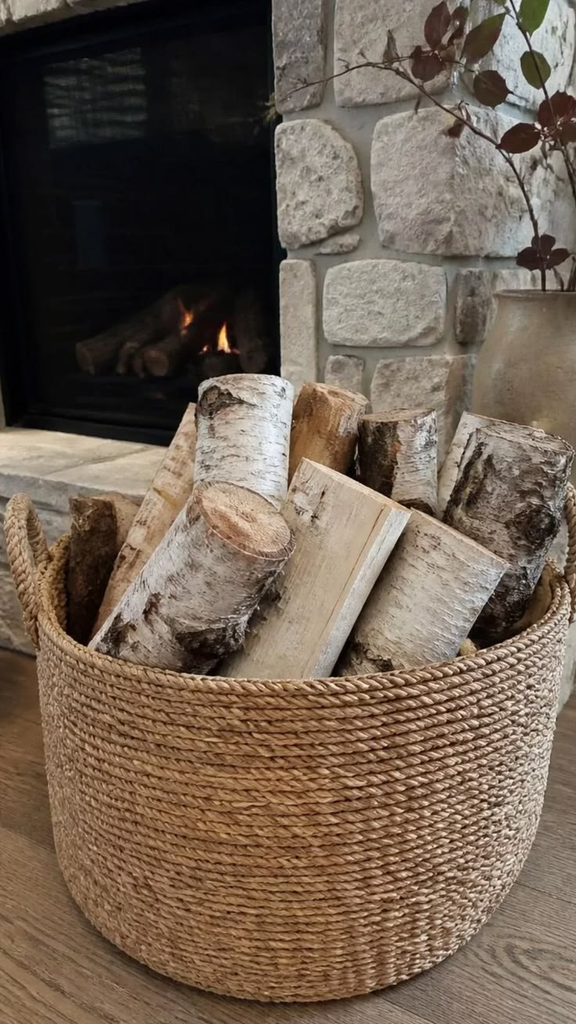
This only works if you actually burn wood, but a small, neat stack of firewood in a metal or woven holder near the entryway is functional storage that also looks intentionally seasonal. It’s one of the few “fall decor” ideas that isn’t decor at all — it’s just storage done well.
18. Layer a Textured Throw Pillow If You Have Any Seating
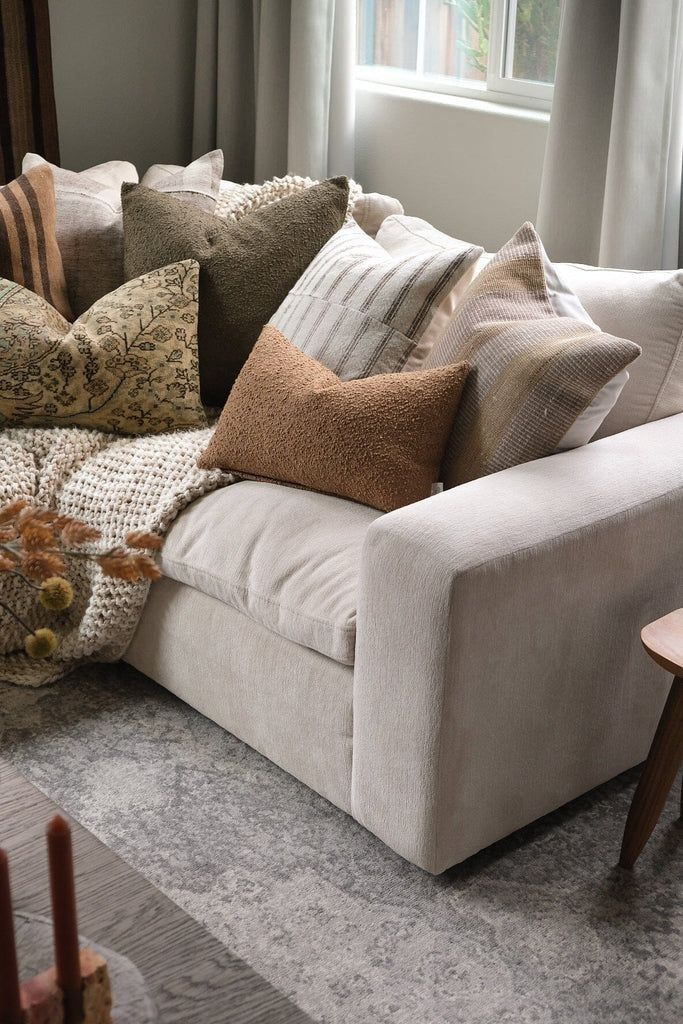
Boucle, chunky knit, or corduroy in a warm neutral (rust, olive, camel) on a single bench cushion or chair does a lot for very little money — most of these run $15-25. Skip anything with a literal fall print (leaves, pumpkins printed on fabric); the texture alone does the seasonal work, and you can leave it out into winter.
19. Add a Coat Hook Situation That Isn’t Just Hooks
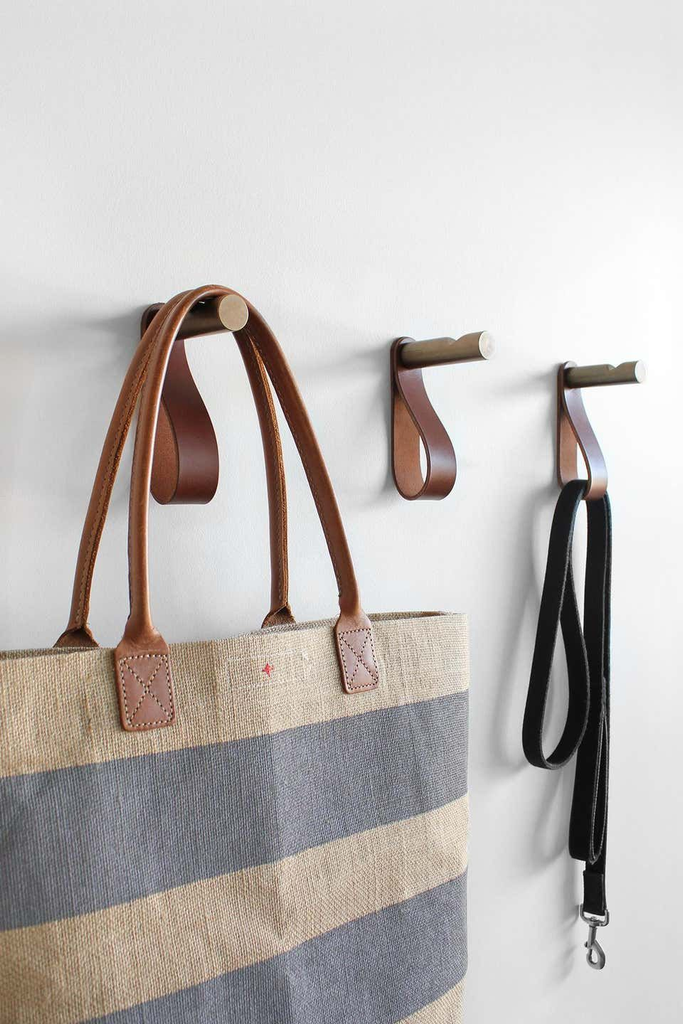
If your entryway has wall-mounted hooks, swapping generic ones for a mix of materials — a leather strap hanger, a wood peg rail, or even a vintage-look brass hook — upgrades the most-touched part of your entryway for under $30. This is also the part of the entryway most likely to look worn out, so it’s worth the swap even outside of fall.
20. Use Dried Citrus Slices as a Cheap, Low-Commitment Accent

Dried orange and lemon slices in a small bowl or strung on twine cost almost nothing (you can dry your own in a low oven over a few hours) and they add color without the commitment of a big seasonal purchase. This is the idea I’d tell someone to try first if they’re not sure they even like “fall decor” as a concept.
Pro tip: Dry citrus slices at 200°F for 3-4 hours, flipping halfway — any hotter and they scorch on the edges before the centers dry out.
21. Rotate What’s Already in Your House Instead of Buying New

The single best fall entryway tip I’ve gotten wasn’t from a store, it was from my mother-in-law, who moves the same ceramic pitcher from her kitchen to her entryway every October and fills it with whatever branches are in her yard.
Nothing new gets purchased. If you have warm-toned ceramics, baskets, or textiles anywhere else in your house, moving them to the entryway for the season costs nothing and often looks more curated than anything you’d buy new.
How Much Should You Actually Spend on This?
Here’s the honest cost breakdown, because “fall decor” can mean $15 or $300 depending on how far you take it.
| Budget Tier | What’s Included | Approximate Cost |
|---|---|---|
| Bare minimum | New doormat, dried citrus bowl, warm bulb swap | $25–40 |
| Moderate | Above + faux pumpkin, wheat bundle, throw | $75–120 |
| Full refresh | Above + rug layer, tray, runner, pillow, coat hooks | $180–280 |
| Splurge | Full refresh + real furniture piece (bench, console) | $400+ |
If I were starting from zero, I’d stop at the moderate tier. The bare minimum tier genuinely covers 80% of the visual impact — the jump from moderate to full refresh is diminishing returns unless your entryway is large enough to actually need more objects to fill it.
Where I’d Start If I Were Doing This Over
If I were redoing my own entryway from scratch this year, I’d start with the warm bulb swap and the doormat — in that order — because they’re the two things that change the feel of the space the most for the least money and effort. Everything after that is genuinely just personal taste. I’d add the wheat bundle because I like the DIY of it, and skip the wreath entirely this year, because three years of the same craft-store colors was enough for me.
The thing I’d tell anyone starting this project is to resist buying everything on a list like this at once. Do the doormat and the bulbs this week, live with it for a few days, and you’ll know exactly what the space is still missing — which is usually less than you think.


Leave a Reply