
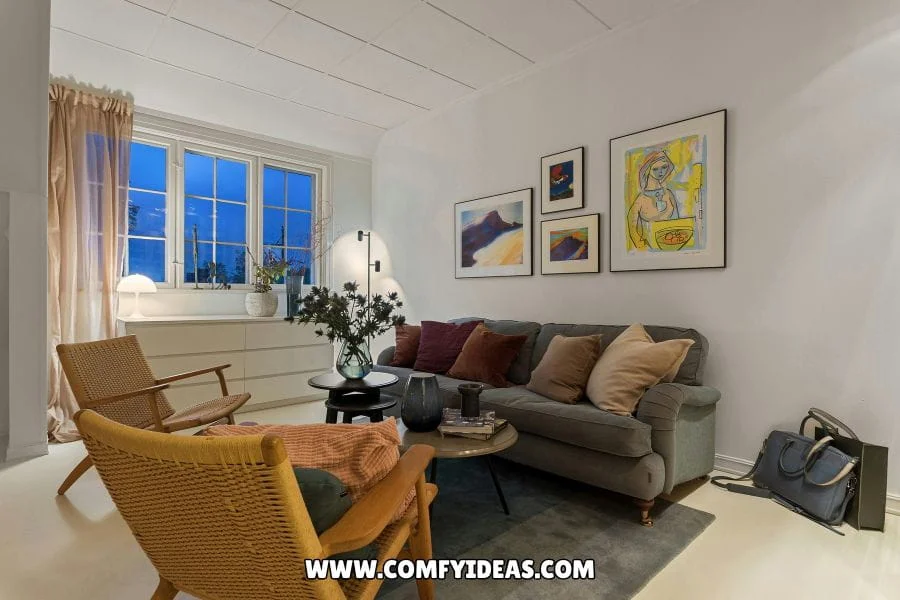
The most practical, creative, and genuinely achievable guide to decorating your home on a $100 budget, because a beautiful home has never been about how much you spend, and this guide is going to prove it.
I want to start by telling you something that I believe deeply and that runs counter to almost everything the home décor industry wants you to believe: the most beautiful homes I have ever been inside were not the most expensively decorated ones.
The homes that stopped me in my tracks, the ones where I walked in and immediately felt something warm and specific and right, were the ones where someone made intentional, creative, personal choices with whatever they had available. Sometimes that was a big budget. Often it was not.
The $100 home decoration budget is not a limitation. It is a creative brief. It is an invitation to be intentional about every single thing you add to your space rather than spending your way to a look, and the homes built on that kind of intentionality have a quality that money cannot easily replicate. They feel thought about. They feel like a person lives there. They feel like home.
My friend Noha decorated her entire one-bedroom apartment for under $200, and she did it over six months, in stages, mostly from thrift stores and with things she already owned that she was not using well.
Her apartment is the one that people always comment on when they visit for the first time. Not because it looks expensive. Because it looks like her. Because every object in it feels chosen rather than purchased.
This guide is built on that philosophy. These are the specific, achievable, genuinely effective ways to make your home more beautiful for $100 or less. Every idea is realistic. Every idea works. And by the end, you will have a complete plan for the most impactful $100 you will ever spend on your home.
Before You Spend a Single Dollar: The Most Important Step
Before any budget gets allocated, there is one completely free action that will determine how far your $100 goes — and skipping it is the reason most budget decorating attempts produce a home that still does not feel quite right despite the money spent.
That action is: editing what you already have.
Go through every room of your home and remove anything that does not belong — anything that drifts in without contributing, anything you kept out of guilt rather than love, anything broken or faded or simply taking up visual space without giving anything back. Bring things from other rooms that might work better where they are not currently. Rearrange the furniture you already have to see if a different configuration opens the room or creates better flow.
This editing and rearranging costs nothing and frequently produces one of the most dramatic home transformations available — because most cluttered, aesthetically unfocused spaces are not lacking decoration. They are drowning in it. The removal and rearrangement often reveals the bones of a genuinely beautiful room that was hiding underneath accumulated stuff.
Do this before you spend a penny. Then take stock of what the room still genuinely needs. That assessment is your shopping list. Your $100 goes toward that specific list — not toward a general sweep of the home décor section.
How to Allocate Your $100 for Maximum Impact
Before the specific ideas, a strategic framework for how to think about dividing your $100 across your home. The goal is to concentrate the budget where it will create the most visible, most daily-experienced improvement — not to spread it so thin across the whole house that nothing is meaningfully upgraded.
Option A: Transform One Room Completely ($100 on one space)
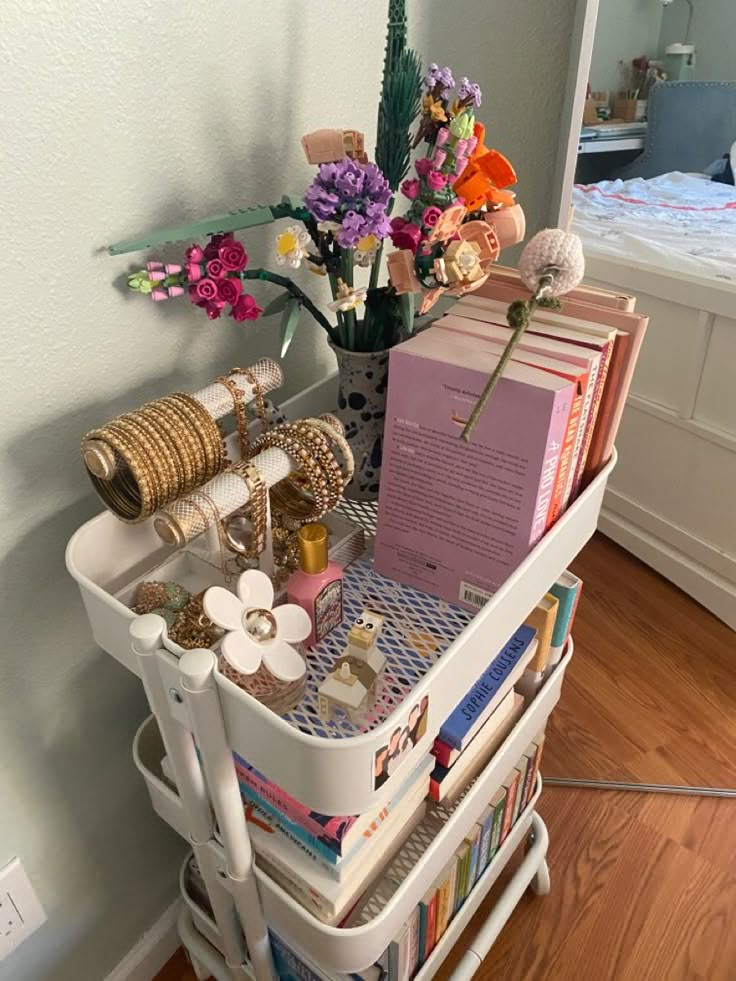
For most people, one room is the heart of daily life and the space they most want to be beautiful — usually the living room, the bedroom, or the kitchen. Putting the full $100 into one room produces a transformation that is genuinely dramatic and that you will notice and enjoy every single day. This is the approach I recommend for most people, because a fully transformed room is more satisfying than several rooms that are each slightly better.
Option B: Make High-Impact Changes Across Multiple Rooms ($20 to $30 per room)
If there is no single room that needs transformation most urgently, or if several rooms are at a similarly discouraging baseline, spreading the $100 across three or four rooms with one high-impact change each can make the whole home feel improved simultaneously. The specific changes in this approach must be chosen for maximum visible impact per dollar — not multiple small things per room, but one genuinely significant addition or change in each.
Choose your approach based on where your need is greatest. Then use the ideas below to make your specific allocation work as hard as possible.
The Best Ways to Spend Your $100 Home Decoration Budget
Thrift Stores: The Single Most Powerful $100 Home Decoration Resource
I am putting this first because nothing else on this list comes close to the potential of a thrift store visit for home decoration on a genuine budget — and yet it is also the resource that most people approach either completely wrong or not at all.
The thrift store mistake that most people make is going in with a general idea of “finding something nice” and walking out with random objects that seemed good at the time but do not work together or with anything they already own. This produces a home that feels more cluttered rather than more beautiful, which reinforces the mistaken belief that thrift store decorating does not work.
The thrift store approach that works is going in with an extremely specific brief based on the editing and assessment you did first. You are not browsing. You are hunting for a specific item or a specific type of item that you have already identified as missing from your space. A large mirror for the entryway. A lamp with a good shape. Vases in a specific size range. Picture frames in a consistent finish. Serving bowls in a warm earth tone.
Thrift stores reliably carry: lamps (often with ugly shades that you can replace cheaply), mirrors, picture frames, vases and vessels, books in beautiful covers, serving pieces, baskets and woven items, and occasionally genuine furniture pieces at extraordinary prices. All of these categories can produce genuinely beautiful home decoration finds for $5 to $20 per piece.
A $30 thrift store run with a specific list can produce three to five decorative objects that, arranged intentionally, make a room look completely different. No other resource delivers that ratio.
Rearrange and Reframe: The Free Upgrade That Changes Everything
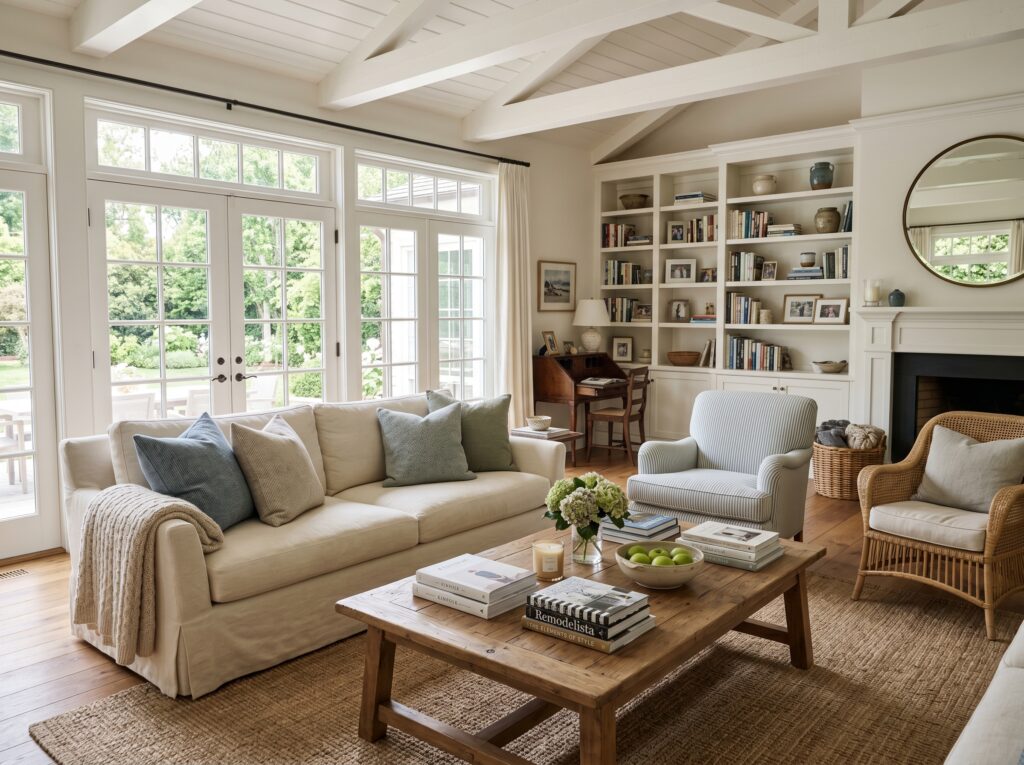
This idea costs nothing and yet it is one of the most impactful home decoration moves available — because the specific placement and framing of objects you already own determines how much visual impact they make far more than the objects themselves.
A collection of objects scattered across three different surfaces in three different rooms creates no visual impact at all. The same objects gathered together on one surface, in a deliberate arrangement with attention to height variation and negative space, creates a genuinely beautiful styled vignette that looks intentional and considered.
Take the objects you own and experiment with grouping them differently. Three vases of different heights clustered together on one shelf rather than one vase on three different shelves. All your candles in one dedicated cluster rather than randomly placed around the room. Your framed photographs rearranged from scattered to a deliberate gallery wall on one specific wall.
The arrangement does not change the objects. It changes what they communicate. This costs zero dollars and can transform the feeling of a room in an afternoon.
Fresh Plants and Greenery: $15 to $25 for a Living, Growing Room Transformation
Plants are the single most life-changing addition to any room for the price, and I mean that almost literally — they bring actual life to a space in a way that no other decorative element can replicate.
A few well-placed plants — a pothos trailing from a high shelf, a fiddle-leaf fig in a corner, a snake plant beside the sofa — warm a room in a specific organic way that no amount of styling can achieve without them. They add color, movement, scale, and the specific quality of aliveness that makes a space feel genuinely inhabited and cared for.
For a $100 decoration budget, I would allocate $15 to $25 specifically for plants. This budget gets you two to three medium plants from a garden center or a large plant from a grocery store garden section. Put them in attractive pots you already own or find beautiful pots at a thrift store for a few dollars each.
The plants that are most forgiving for beginners (and most dramatic in impact): pothos (trails beautifully and is almost impossible to kill), snake plant (architectural shape, tolerates low light), peace lily (beautiful broad leaves, actually likes shade), and ZZ plant (deep green glossy leaves, very drought tolerant).
A Large Mirror: $20 to $40 for the Single Most Effective Space-Expanding Move
A large mirror does two things simultaneously that no other single decorative element can: it reflects light and it creates the visual impression of additional space. In a small room, a well-placed large mirror can make the space feel genuinely roomier. In any room, a beautiful mirror adds a focal point and elegance that lifts the whole aesthetic.
Thrift stores are the best source for large, beautiful mirrors at budget prices — a heavy, ornate mirror that would cost $200 at a home goods store routinely appears at thrift stores for $15 to $30. The frame can almost always be painted if the original finish is not right for the room — a coat of gold or black spray paint transforms the oldest frame into something beautiful.
Place the mirror strategically: opposite a window to reflect natural light into the room, in an entryway to make the first impression of the home feel more spacious, or above a mantel or console table as the focal point of a styled vignette.
New Throw Pillows: $15 to $30 for an Instant Sofa Refresh
Throw pillows are one of the fastest and most visually impactful ways to update a living room or bedroom on a small budget — because they change the color story of the entire room and they are one of the first things the eye goes to in any seating area.
The specific power of new throw pillows on an existing sofa is the way they can either update the sofa’s palette (if you are transitioning from a previous color scheme to a new one) or deepen and enrich an existing color story (if you are working with what you already have). Two or three well-chosen new throw pillows in the right colors and textures can make a sofa that has been in the same spot for three years feel like a new piece of furniture.
For a $100 budget, I recommend spending $15 to $30 on new throw pillow covers (the covers, not the pillows — you can reuse your existing pillow inserts). Pillow covers in the right fabric and color are available at this price point from Amazon, Target, and H&M Home, and they can be swapped seasonally without replacing the inserts.
Candles and Scent: $10 to $20 for an Atmospheric Upgrade That Engages All the Senses
A home that smells beautiful feels more welcoming than a visually identical home that is scent-neutral — and candles are the decoration category that uniquely serves both the visual and the olfactory simultaneously.
A few beautiful candles, clustered on a tray or a coffee table, look styled and intentional. When lit, they transform the room’s atmosphere with warmth and scent in a way that no other decorative element can. They are one of the most consistently recommended low-cost home upgrades by every interior stylist who works within budget constraints.
For $10 to $20, you can get two to three medium candles in a scent that works for your home — a warm, woody scent for autumn and winter, a fresh citrus or floral for spring and summer. Group them on a beautiful tray or plate you already own and the styling is complete.
New Lampshade: $10 to $20 for a Lighting Mood Shift
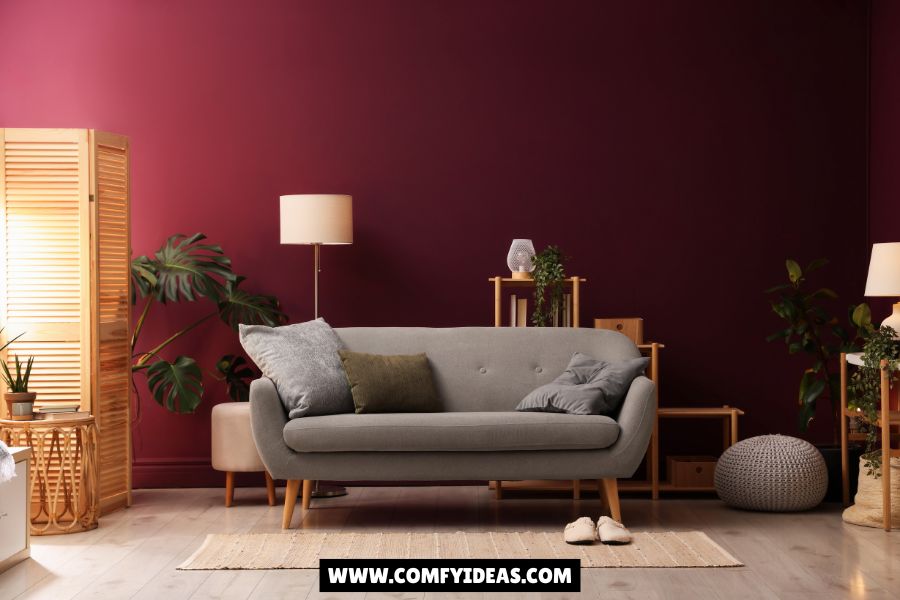
This is the underrated home decoration budget idea that works best in combination with a thrift store lamp find — but it works just as well on an existing lamp whose shade has become faded, discolored, or stylistically out of step with the rest of the room.
A new lampshade completely changes the character of a lamp and, by extension, the quality of the light it produces and the feeling of the room when it is on. A drum shade in a warm linen fabric produces soft, warm, diffuse light. A tapered shade in a darker color produces more dramatic, directional light. A paper shade produces cool, bright, even light.
Lampshades are available from IKEA for $10 to $15 and from Target and Amazon for similar prices. The transformation they produce on an existing lamp is wildly disproportionate to their cost.
A New Area Rug: $30 to $60 for the Single Biggest Room Anchor Available
The rug is the foundation of any room’s decoration — it anchors the furniture, defines the space, adds warmth and texture underfoot, and pulls the whole color story of the room together. A room without a rug often feels unfinished regardless of how well everything else is styled. The same room with the right rug feels intentional and complete.
The challenge with area rugs in a $100 budget is that good rugs can be expensive — a genuinely large, high-quality rug costs significantly more than $100. But for a $100 budget, there are options.
IKEA’s flatwoven rug section regularly has beautifully simple rugs at accessible prices — the STOCKHOLM jute rug, the KOLDBY cowhide, and several woven cotton options are genuinely beautiful and affordable. Amazon’s home section has a wide range of area rugs in the $30 to $60 range that cover the necessary area for smaller rooms or for bedroom use.
Alternatively, a thrift store with a rug section — which not all have, but some do — can produce genuine finds for $20 to $40 for rugs that would otherwise cost significantly more.
Gallery Wall Using What You Already Own: $10 to $20 for Frames Only
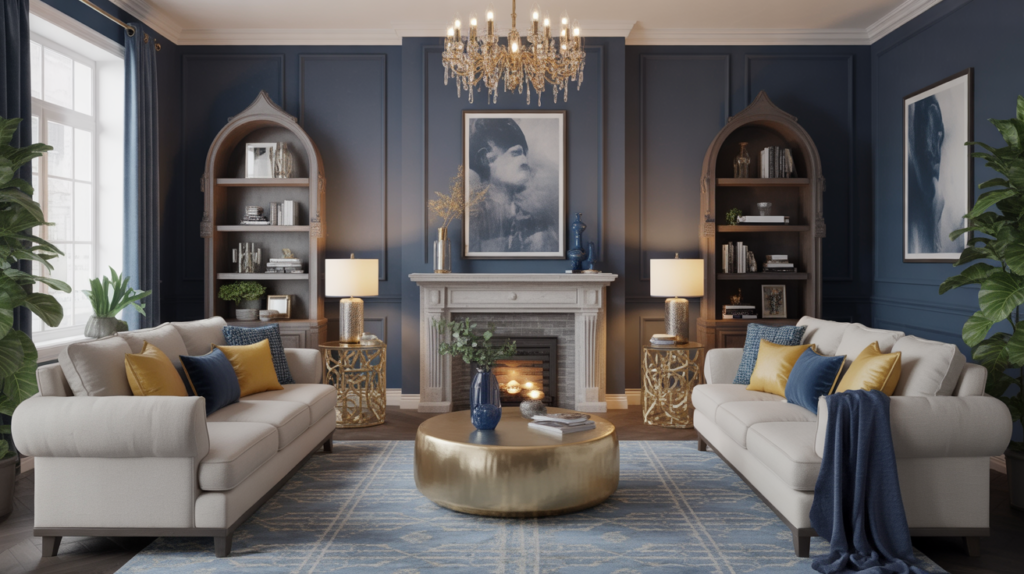
A gallery wall is one of the most impactful visual transformations available for a blank wall — and it is one that can be created almost entirely from things you already own, with a minimal budget allocated to any additional frames needed.
The photographs you have already printed but not framed. The art prints you downloaded and saved but never displayed. The postcards from trips you have taken. The pages from a beautiful calendar or magazine. The children’s drawings that deserve a more prominent position. All of these, gathered together and framed consistently in matching frames, create a gallery wall that is genuinely personal and genuinely beautiful.
Matching frames in one finish — all white, all black, all natural wood — are available at IKEA for $2 to $5 each. A gallery wall of twelve frames for under $20, holding the photographs and art you already love, creates a focal wall that guests will notice and comment on every time they visit.
The key to a gallery wall that looks intentional: lay it out on the floor first before hanging anything. The arrangement should be planned and tested before a single nail goes into the wall. Leave generous gaps between frames — the wall space between frames is part of the design.
Swap Out Hardware: $15 to $25 for an Instant Furniture and Kitchen Upgrade
Hardware — the knobs and pulls on cabinets, drawers, and furniture — is one of the cheapest, most immediately impactful decorative upgrades available for any budget. New hardware does to furniture what jewelry does to an outfit: it signals care, intention, and current aesthetic sensibility.
For $15 to $25, you can replace the hardware on a dresser, a small cabinet, or several kitchen cabinet doors with something more considered — matte black bar pulls for a contemporary look, brushed brass for warmth and elegance, ceramic or porcelain knobs for a cottagecore or farmhouse aesthetic.
Hardware is sold per piece, so the budget constrains how many pieces you can replace. On a $100 budget, I recommend picking one piece of furniture or one section of kitchen cabinets — the most visible one — and updating that section completely rather than buying a few new pieces for multiple locations.
Fresh Shelf Styling: $0 to $15 for a Surface That Looks Considered
The way a shelf is styled is one of the most significant visual signals in any room — a shelf with objects haphazardly arranged at the same height communicates carelessness; a shelf styled with attention to height variation, negative space, and visual weight communicates intention and care.
With the objects you already own, plus perhaps two or three inexpensive additions from a thrift store or dollar store (a small plant, a candle, a simple vase), restyle your most visible shelf using these principles:
Vary the heights of objects — something tall (a tall vase or stack of books), something medium (a plant or candle), something small (a small bowl or figure). Leave empty space deliberately — negative space is part of the design, not a gap to fill. Group in odd numbers — three objects or five feel more balanced than two or four. Add one living element — a plant or cut flowers brings organic warmth to any shelf.
This is free if you work with what you already own, or costs $5 to $15 with one or two thrift store finds added.
The $100 Budget Breakdown: A Suggested Allocation
If I were spending exactly $100 on home decoration right now, using everything I have learned about what makes the biggest impact for the least money, here is how I would allocate it:
Thrift store run (specific list): $30 Plants and pots: $20 New throw pillow covers: $20 Candles on a tray: $15 Picture frames for a gallery wall: $15 Total: $100
This allocation transforms the living room (plants, pillow covers, gallery wall, candles) with the thrift store run contributing whatever the specific list identified as the room’s most pressing need — a mirror, a lamp, a vase set, or a piece of art.
Your Home Already Has More to Work With Than You Know
I want to close this guide where I started it — with Noha’s apartment. She decorated it for under $200 over six months. She used thrift stores extensively. She rearranged her furniture four times before finding the arrangement that worked. She bought plants before she bought almost anything else. She made her own gallery wall from photographs and downloaded prints in IKEA frames.
Her apartment does not look like a budget apartment. It looks like a home. The kind of home that has been thought about, cared for, and shaped by someone with genuine aesthetic sensibility — because that is exactly what it is.
That is what $100, spent intentionally on the right things, can do. It cannot buy everything. It can buy the specific, considered, impactful things that make a home feel like it belongs to someone who loves living in it. And that quality — the quality of a home loved and cared for — is what you notice when you walk into the most beautiful homes imaginable, regardless of their budget.
Your home already has more to work with than you know. Edit first. Rearrange next. Then spend your $100 on the things that genuinely make the most difference.
Now go pin this complete guide, share it with everyone who has ever looked at their home and felt like making it beautiful was out of their budget, and go do the editing step right now — for free — before you spend a single dollar.
Pin this and save it — this is the home decoration guide that will show you exactly how to make your home genuinely more beautiful for $100, and every strategy in it is one you can start using today!




Leave a Reply